


Have you ever wished you could see your doctor without leaving your house? With new health tools, you can use your phone, tablet, or even a wearable to check in. Imagine tracking your heart rate and then getting friendly advice through a quick video call, all from your cozy living room.
This simple way of getting care helps find issues early. It means your doctor can offer guidance that fits your needs right away. And you don’t have to go anywhere; you get care at your own pace.
Health tech mixes today’s gadgets with the trust of regular doctor visits. It makes keeping healthy feel easier and safer, changing the way we take care of ourselves every day.
what is health tech: Empowering Healthcare Innovation
Health tech means using new, everyday technology to make healthcare simpler and more effective. It uses tools like video doctor visits (telemedicine), mobile apps for tracking your health (mHealth), digital records, and wearable devices that monitor things like your heart rate. Check out healthtech for more details.
Imagine being able to see your doctor from your living room or track your health on your smartphone. Digital records help keep your medical history safe and easy to share with trusted professionals, while wearables give instant feedback so you can catch problems early.
Modern tools like genomics and big data analysis help doctors see patterns in health trends. This means treatments can be tailored just for you, making care more personal. In short, health tech brings advanced technology and caring expertise together, making healthcare more connected and easier to manage.
Telemedicine and Virtual Patient Monitoring in Health Tech
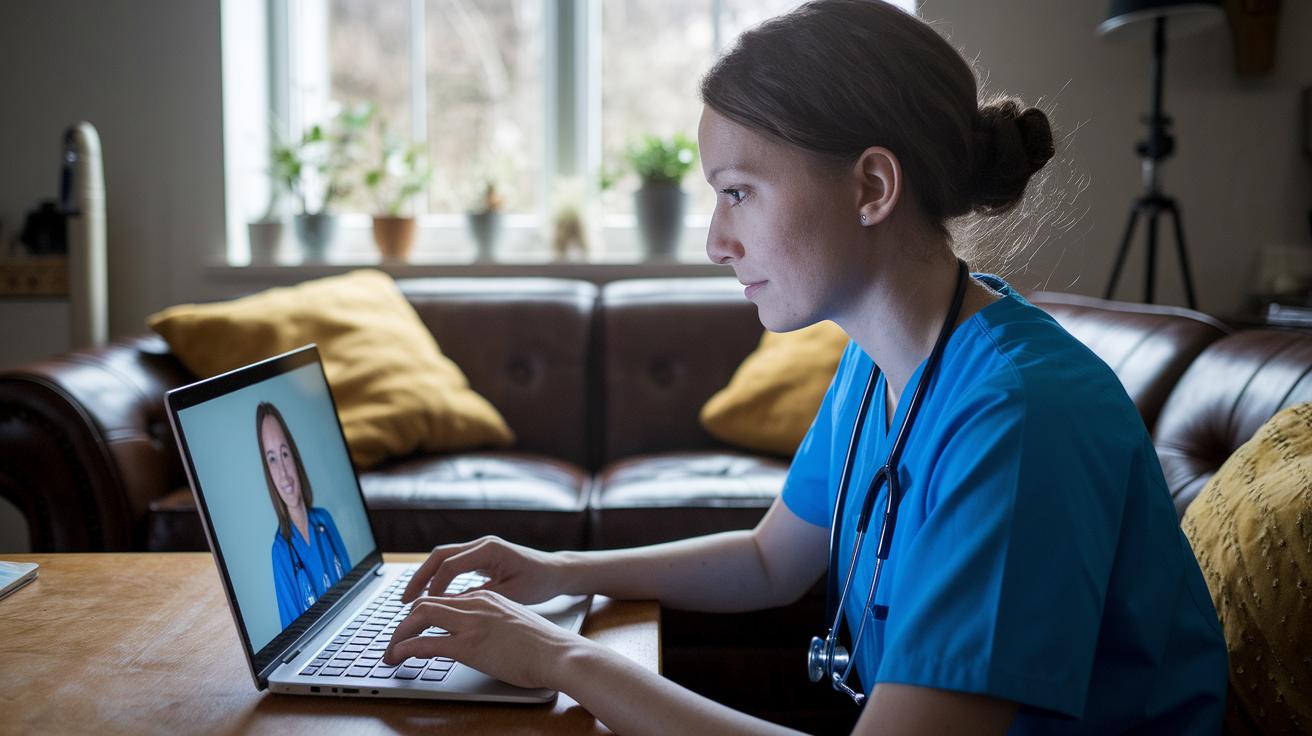
Telemedicine is changing the way we get care by letting you chat with your doctor through video and remote monitoring tools. This means you can have a safe, online visit from your own home. Imagine a busy parent having a quick virtual check-up during lunch – it’s a fast and easy way to see a doctor without driving to the clinic.
With smart health tools, doctors can see important data like your heart rate or blood oxygen levels in real time. This helps them notice even small changes quickly. For instance, if your wearable device sends a note about an irregular heartbeat, your doctor can step in right away with advice or next steps.
Telemedicine services often use secure video calls and safe messaging to protect your personal details. This careful approach means that every consultation is not only easy to access but also keeps your information private. Continuous tracking of your vital signs makes it possible for early action if something seems off.
Bringing together technology and expert care makes healthcare both flexible and responsive. It gives you peace of mind knowing that your health is always being watched over, creating a system that’s safer and easier for everyone.
Mobile Health and Health Apps Revolution
Mobile health, often called mHealth, uses your smartphone or tablet to help keep an eye on your health. It tracks things like your daily steps and sleep quality, while also helping you manage long-term conditions. Think of it as having a handy wellness guide in your pocket.
These apps can show you important numbers, like your heart rate or activity levels, all neatly collected in one place. That clear snapshot makes it easier to understand how you’re doing day by day.
It’s important that these tools run smoothly on different devices. Imagine opening an app that records your morning jog and then gently reminds you to drink water or take a breather after a busy day. It feels like having a caring friend nudging you towards better health.
Popular categories include:
- Fitness trackers: They keep track of your movement and encourage you to stay active.
- Nutrition and diet apps: They help plan meals by suggesting healthy choices.
- Medication reminders: They alert you when it’s time to take your medicine.
- Mental health and meditation apps: They guide you through simple exercises to calm your mind.
- Chronic disease management tools: They provide straightforward wellness tips for conditions like diabetes (a long-term illness that affects blood sugar levels).
These apps give you the power to access all your health details easily. They combine a fun, clean design with practical advice, giving you everyday tools to support your well-being.
Wearable Devices and Smart Diagnostic Tools in Health Tech

Wearable devices are really changing how we look after our health. These gadgets, like fitness trackers and smartwatches, sit on your body and keep an eye on things like your heart rate (the number of times your heart beats each minute) and temperature. They send information in real time, which means your doctor can spot problems early and adjust treatments just for you. Picture a smartwatch that buzzes when your heart rate jumps – it's like your body giving you a little nudge!
These smart tools don’t just collect data; they help make sense of it, too. They track your sleep and even keep tabs on your blood pressure, painting a clear picture of how you're doing day to day. It’s almost like having a friendly expert offering a reminder to take care of yourself, all quietly working in the background.
You might see devices like smart clothing joining in, alongside the usual fitness trackers and smartwatches. They’re often designed to be both cool and easy to use. When these devices link up with mobile apps and your electronic health records, your health information can be shared safely with your doctor. This cool connection helps everyone involved to keep track of your care more effectively.
As new technology comes along, these tools are getting even better. They’re making it easier than ever to keep an eye on your health daily, turning health tracking into a smooth part of your everyday life.
Electronic Health Records and Integrated Digital Platforms
Electronic Health Records (EHRs) are digital files that keep all your health details, such as doctor visits, treatments, and lab test results, in one safe spot. They let your doctor see the whole picture of your health quickly. Think of it like having one digital folder that neatly stores everything from previous check-ups to test results. This central place makes it easier for the care team to work together. Sure, moving old paper records to this digital space and teaching everyone how to use the new system takes extra work. For example, a small clinic might set aside a bit of time each day for staff training during this change.
Integrated digital platforms go one step further by using cloud systems to store and manage your health records efficiently. With cloud-based patient solutions like digital health tech, your information stays secure and can be shared safely with those who need it. This approach means that even if you visit different doctors, updating and accessing your records is simple. The result is quicker care and less delay when it comes to understanding your needs.
When these systems work together, they help cut down on mistakes, speed up the sharing of important details, and improve care coordination overall. In short, they build a strong digital foundation that makes everyday health tracking and treatment smoother and more dependable for everyone involved.
AI and Big Data Analytics Transforming Health Tech

Big data is changing how we look at health. It sifts through huge amounts of information, like lab tests, digital records, and even what patients say, to uncover patterns that can alert us to early signs of illness. Imagine a system that goes through thousands of records and notices a small, unusual increase in heart problems. That kind of detail can really change the course of care.
AI-powered tools take these insights a step further. They study medical images, clinical numbers, and lab results to find issues before they get worse. Picture a tool looking at a series of X-rays and spotting a tiny irregularity that might have gone unnoticed. In one case, an AI tool even picked up a rare condition from routine scans, which meant treatment could start right away. These smart methods help doctors make better decisions tailored to each patient.
A strong data system is key to making all of this work. It needs to store and process loads of information quickly and safely, so every critical health insight reaches the right hands without delay.
All in all, mixing AI with big data gives doctors a clearer picture of what’s happening with each patient. By honing in on both big trends and the tiny details, these technologies are paving the way for personalized medicine that’s accurate, fast, and effective.
Security Challenges and Future Trends in Health Tech
Health tech faces plenty of hurdles when it comes to keeping data safe. Cybersecurity for patient records is a big deal, especially with rules like HIPAA (which sets standards for protecting health information) and GDPR (a European law ensuring data privacy). Companies work hard, using strong encryption and regular updates, so you can think of your health record as a digital safe that keeps your private details secure.
Patient information must be kept away from prying eyes, and that means constant check-ups to spot any weak points quickly. Health providers and tech experts join forces to maintain strong security measures. Imagine these updates rolling out just like a handy software refresh, always keeping your digital health space safe and sound.
Looking forward, virtual medicine is changing fast. Telemedicine tools are being improved to offer friendlier and more interactive consultations, making remote visits feel personal. Plus, smart devices like wearables and home sensors are set to join a secure network, sending real-time updates that can help with early care. Virtual therapy services are also on the rise, letting you get mental health support through secure and easy-to-use platforms.
Deeper AI is on the horizon too. It will help tailor care just for you by looking at your health data carefully without putting your privacy at risk. Additionally, new health insurance tools are simplifying claims and boosting efficiency so that you spend less time on paperwork and more time feeling well.
Here are some trends making waves right now:
| Innovation | Impact |
|---|---|
| Enhanced Telemedicine | More engaging virtual visits |
| IoT Monitoring | Instant health updates |
These exciting advancements are paving the way for a healthcare future that’s secure, responsive, and personal.
Final Words
In the action, we explored health tech, from definitions and virtual care options to mobile apps and wearable devices.
We reviewed how electronic records and AI-powered tools improve patient care while addressing security and privacy issues.
By understanding what is health tech, you’re empowered to make smart, informed choices that lead to a healthier, happier life. Keep moving forward with the confidence that modern care solutions can make everyday wellness truly accessible.
FAQ
What is considered HealthTech and what are some examples?
HealthTech means using digital tools in healthcare. It covers telemedicine, mHealth apps, electronic records, wearable devices, and AI diagnostics that help improve patient care and streamline health management.
What do HealthTech companies do and what do professionals do in HealthTech?
HealthTech companies create and manage digital tools like telemedicine platforms, mobile apps, and electronic record systems, while professionals work in tech development, data analysis, and support systems that enhance patient care.
What is Health Technology Assessment?
Health Technology Assessment is a systematic review that evaluates digital tools in healthcare by examining benefits, risks, and costs to guide policy decisions and improve patient outcomes.
What are some Health Technology products?
Health Technology products include devices and software like wearable monitors, telemedicine equipment, health tracking apps, and electronic health record systems that work together to support effective patient care.
What types of Health Technology courses are available?
Health Technology courses offer classes covering telemedicine, data analytics, mobile health management, and digital record systems to prepare students for roles in the evolving digital healthcare field.
How important is technology in healthcare?
Technology in healthcare improves diagnosis, speeds treatment, streamlines recordkeeping, supports remote consultations, enhances patient engagement, and aids preventive care—all contributing to safer and more efficient health services.
What kinds of jobs are available in Healthcare Technology?
Healthcare Technology jobs include roles like software developers, data analysts, clinical informaticists, telehealth coordinators, and biomedical engineers who support and improve digital tools in patient care.
What is a Health Technology PDF used for?
A Health Technology PDF is a resource document that explains digital healthcare practices and innovations, offering guides and overviews that help professionals and students better understand key concepts and tools.