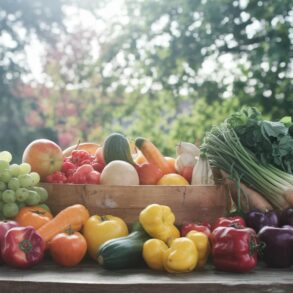


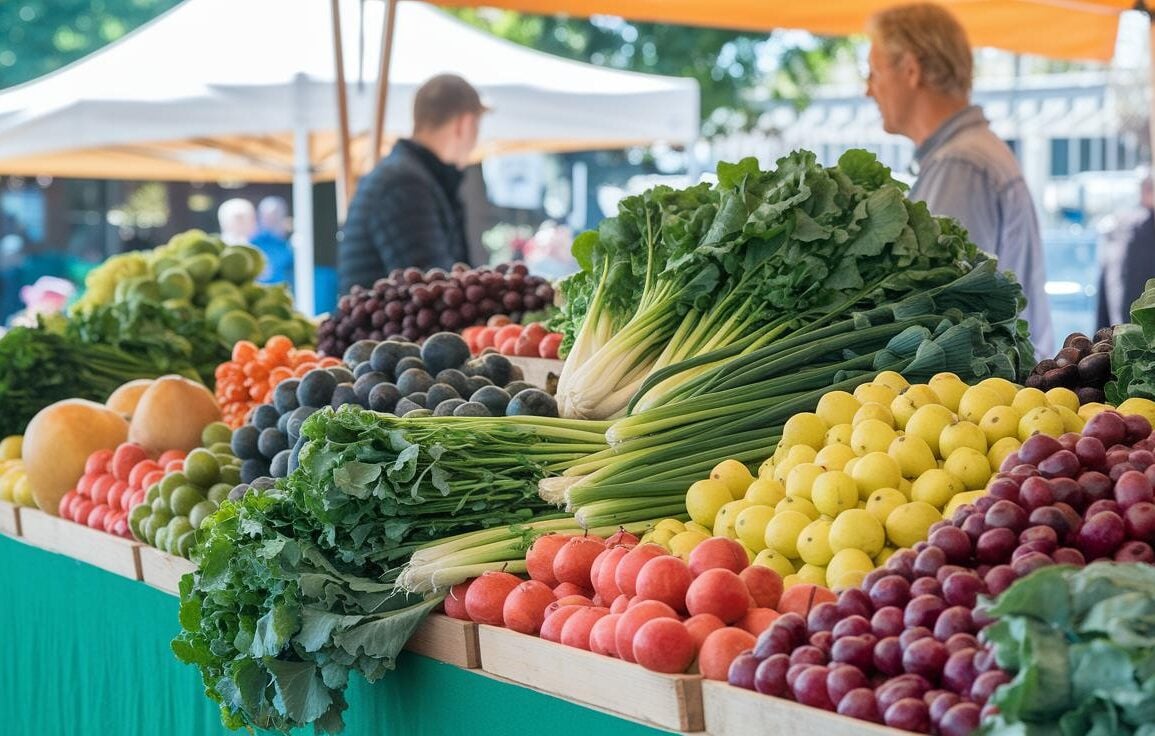
Have you ever wondered what makes organic produce so special? Today, organic produce is much more than just a fancy label. It means farmers follow strict rules, keep detailed records, and use natural farming practices that avoid many man-made chemicals. Long ago, there weren’t clear standards like these, so things were quite different. In this article, we'll chat about how pure, carefully grown food can bring real benefits right to your plate.
What does organic produce mean: Pure, Crisp Facts
Organic produce means that our food is grown by following strict legal rules with careful record keeping, clear labels, and regular checks. This way, these foods are made without many man-made chemicals, which helps you feel confident about what’s on your plate. It’s interesting to know that before these standards were put in place, many farmers only used traditional methods without any uniform rules. Now, every step is carefully tracked and verified.
When a product mixes different ingredients, at least 95% of it must come from organic sources. The remaining part can only include items from a pre-approved list, and no artificial colors or sweeteners are allowed. So, if you spot a product labeled as 95% organic, it means almost every part of it meets the strict organic criteria, with just a small allowance for a few specific non-organic ingredients.
Organic farms are regularly inspected and keep detailed records at every stage of growing and producing food. Certified organic producers even file an organic system plan that explains all their practices, and they must pass annual on-farm checks. This rigorous process is designed to give you peace of mind that the organic label truly means genuine and safe farming practices are being used.
- No synthetic fertilizers or pesticides
- Soil management that focuses on natural organic matter
- Buffer zones in place to prevent contamination
- No genetically modified organisms allowed
- Annual on-farm inspections
Organic Farming Practices and Natural Cultivation Principles
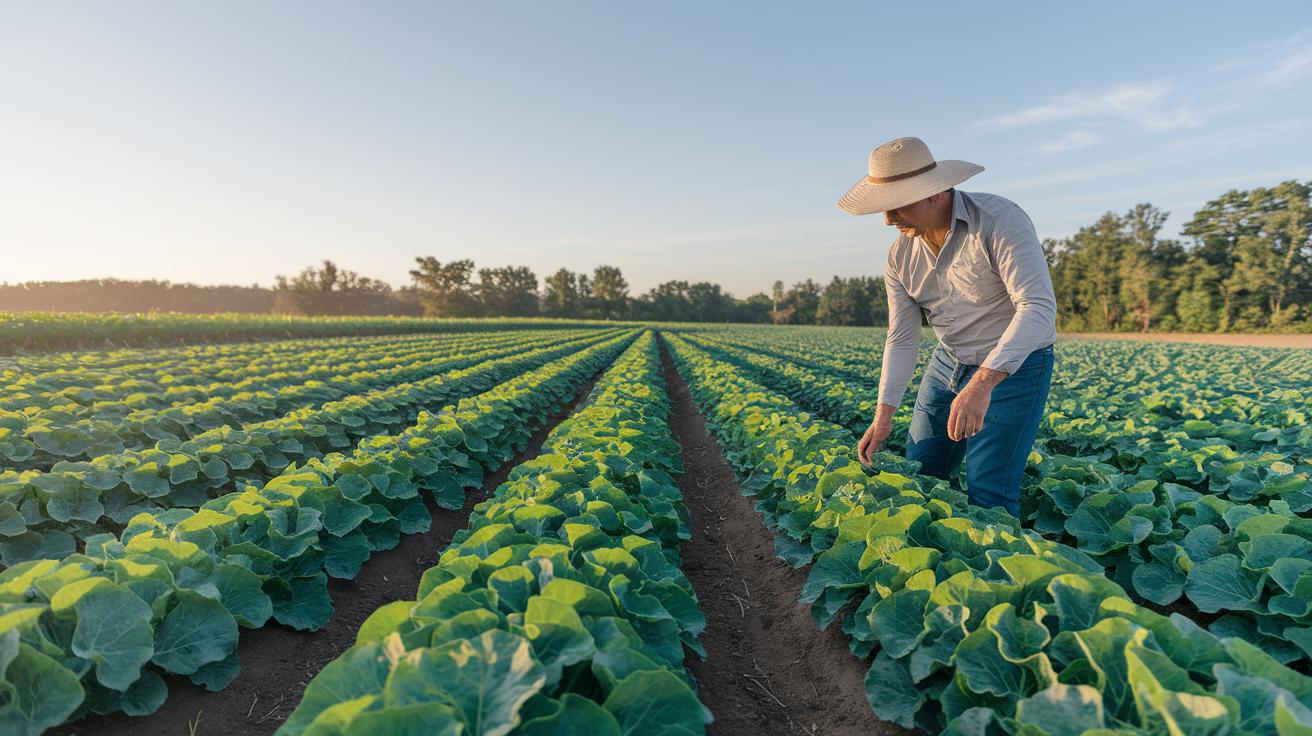
Organic farming begins by taking real care of the soil. Farmers rotate crops, plant cover crops, and add compost. These simple techniques help feed the earth naturally, almost like giving the soil a refreshing drink. Imagine a field where each season brings a new burst of life, nature recharges the soil with its own nutrients without any need for harsh chemicals.
When bugs and pests appear, organic farmers turn to nature for help. Instead of using chemical sprays, they welcome helpful insects and natural predators to keep unwanted pests away. It’s like inviting nature’s own little guardians into the garden. This down-to-earth approach works with the rhythm of nature, keeping crops strong and healthy.
Organic practices also love saving resources. With less heavy machinery in use, there’s a reduction in both fuel use and water waste, which lightens the load on our environment. Plus, these methods create gentle habitats along field edges, helping wildlife thrive. By finding a balance between growing food and caring for the earth, organic farming truly nurtures our planet.
Certifying and Labeling Organic Produce: USDA Standards and Beyond
Farmers kick things off by writing an organic system plan that spells out every step of how they grow their crops. It’s a lot like following a simple recipe, showing each natural practice, from rotating crops to caring for the soil. I recall Jill noting every detail of her methods to keep things clear and straightforward.
Next, inspectors visit the farm to make sure the written plan is actually put into practice. They check the documents and walk through the fields, making sure everything meets USDA rules. One auditor even pointed out that keeping good records really helps build trust with buyers.
Finally, the USDA seal and organic logos act like a friendly wink to shoppers. Products that carry these marks have met strict standards by containing more than 95% approved natural ingredients, without any synthetic additives. This clear badge reassures everyone that the product has passed tough tests and careful reviews, connecting honest record-keeping to true organic quality.
Conventional vs Organic Produce: Key Comparisons
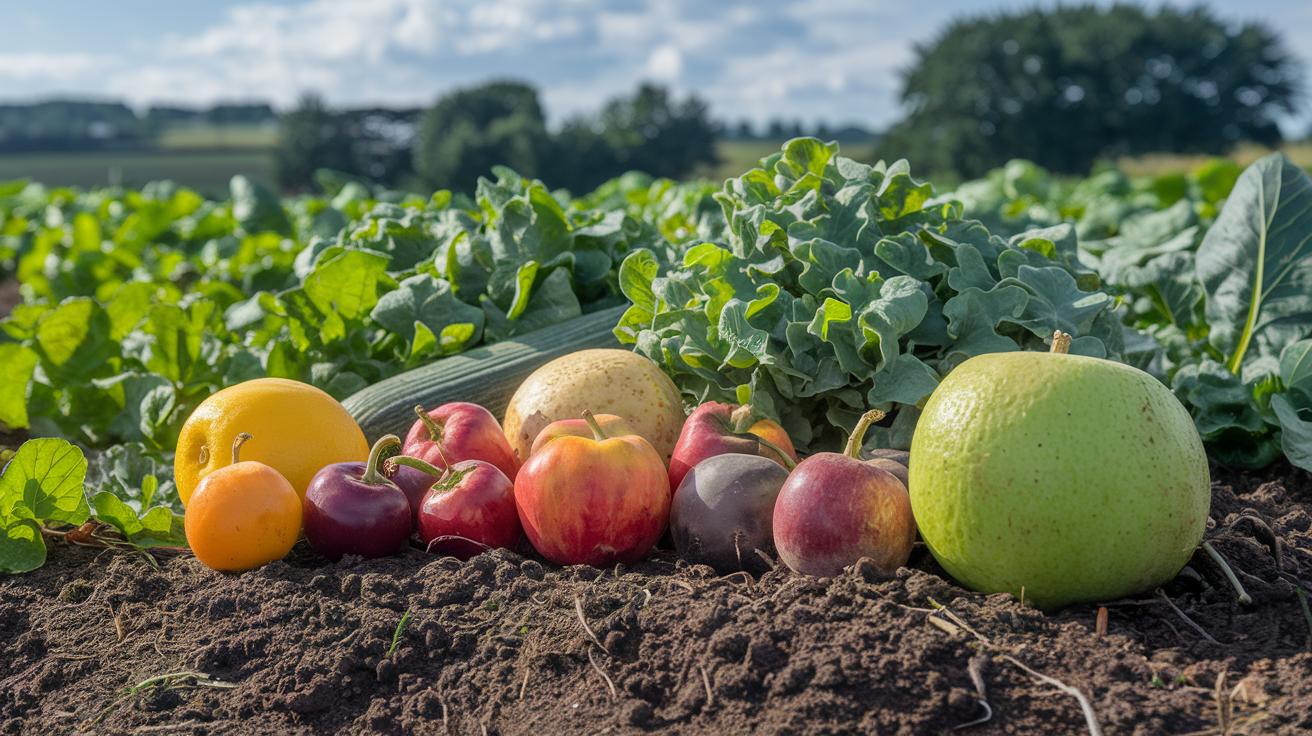
When you shop for conventional fruits and veggies, they are usually grown with man-made fertilizers like N-P-K (nitrogen, phosphorus, potassium) and frequent pesticide sprays. But organic produce is grown using natural methods. Farmers use compost, manure, and natural pest controls instead of synthetic chemicals. This approach helps crops grow in soil that is richer with natural organic matter. What farmers choose can change how food tastes, its nutrients, and even impact our environment.
Switching from conventional to organic farming isn’t a quick fix. It usually takes farms about two years to meet the strict rules for organic certification. This change calls for extra work and costs that conventional farms usually avoid. All these extra steps add to the final price of organic produce, making it a choice that blends health with environmental benefits.
| Attribute | Organic Produce | Conventional Produce |
|---|---|---|
| Pesticide Usage | Non-synthetic, limited | Routine synthetic |
| Fertilizer | Compost, manure | Synthetic N-P-K |
| Soil Health | Enhanced organic matter | Variable management |
| Biodiversity | High on-site diversity | Lower diversity |
| Certification Costs | Higher due to audits | None |
Health and Environmental Benefits of Organic Produce
Organic fruits and vegetables tend to have more antioxidants and fewer chemicals than regular produce. Research suggests that when food is grown without many man-made chemicals, it keeps more of its natural goodness. Imagine biting into a crisp apple that tastes fresh and wholesome, giving you peace of mind about lower chemical residues.
Organic farming does more than support our health; it also helps the earth. Farms run on organic methods allow the soil to hold more carbon, which means fewer harmful gases go into our air. Plus, there’s less water pollution because fewer chemicals wash away. Think of a sunny field where the soil is alive, and small creatures help keep the land balanced.
Many people say organic food just tastes better and makes them feel happier. They feel a closer bond with food that is simply grown the natural way, as if every bite brings them closer to nature. This simple, natural approach to eating makes organic produce a delight for both our bodies and the environment.
Economic Considerations of Buying Organic Produce
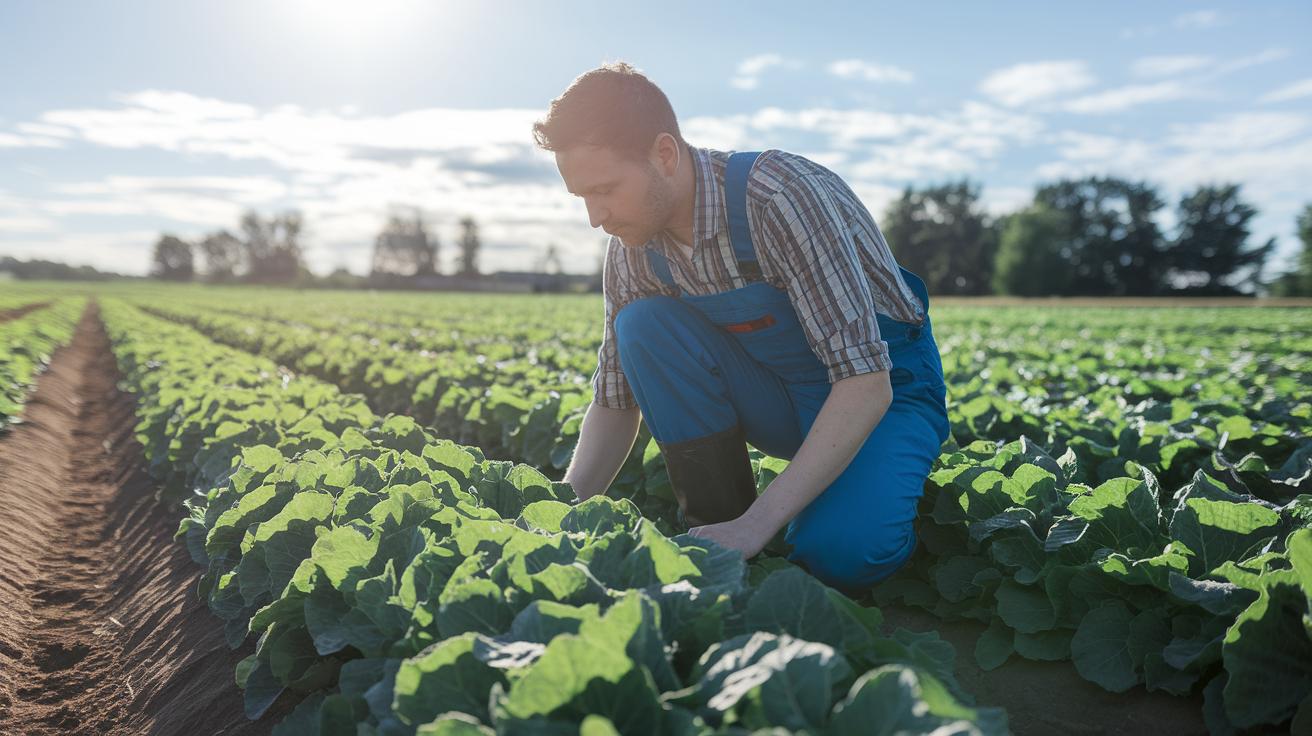
Farmers often deal with extra expenses when they switch to organic methods. They spend more time working on tasks like managing weeds well and carefully watching over their crops. This change can take as long as two years, and during that time, farmers might see a drop in their income as they work to meet strict standards.
There are also costs for certification and keeping detailed records. Farmers spend extra time doing paperwork and pay for yearly inspections. On top of that, expenses like maintaining safe buffer zones and buying natural feed for animals all add up, raising the overall cost of producing organic food.
When these products reach store shelves, you'll notice that prices are higher. Organic items usually cost 10–30% more because they cover the extra work and money spent at every step from the farm to your table.
Many people feel that paying a little more is worth it. They enjoy the benefits of eating food with fewer chemicals while supporting more sustainable farming practices, which can mean better health and a lower impact on the environment.
Final Words
In the action, this article broke down what qualifies produce as organic by showing the strict rules, the detailed record keeping, and the careful certification process. It also touched on natural farming practices that protect our soil and water while comparing organic and conventional methods. The post explored health, environmental, and economic benefits, helping us understand what does organic produce mean in everyday life. This discussion inspires a mindful, positive step toward a healthier, happier life.
FAQ
Q: What does organic produce mean in the United States?
A: The meaning of organic produce in the United States is defined by federal standards that require detailed record keeping, approved practices without synthetic chemicals, and regular inspections to maintain a trusted USDA seal.
Q: What does organic mean?
A: The term organic means a product grown using natural methods without synthetic fertilizers, pesticides, or genetically modified organisms, following strict guidelines to protect soil and environmental health.
Q: What are the dangers of organic food?
A: The dangers of organic food are minimal since it avoids synthetic chemicals; however, natural pesticides may be used, and issues can arise if farming practices or certifications are not properly managed.
Q: What are some examples of organic foods?
A: Examples of organic foods include apples, spinach, tomatoes, dairy products, and meats raised without prohibited chemicals, all produced under controlled methods ensuring minimal synthetic input.
Q: What are the benefits and advantages of organic food, and is it healthier?
A: The benefits of organic food include lower pesticide residues, improved taste, and better support for environmental practices. Many feel organic foods are healthier due to these stricter, natural production methods.
Q: What does organic mean in science?
A: In science, organic means substances or compounds that contain carbon, while in agriculture it refers to products grown without synthetic chemicals, using practices that emphasize natural inputs and biodiversity.
Q: Is it better to eat organic produce?
A: Eating organic produce is often seen as better because it reduces exposure to synthetic chemicals and supports sustainable farming, offering many consumers a healthier choice in line with natural practices.
Q: What is the difference between organic produce and conventional produce?
A: The difference is that organic produce follows strict natural practices with approved inputs and eco-friendly methods, while conventional produce may use synthetic fertilizers and pesticides, affecting residue levels and environmental impact.
Q: What is sprayed on organic produce?
A: Organic produce is not sprayed with synthetic chemicals; instead, when needed, only approved natural substances are applied to manage pests in compliance with organic standards.