



Have you ever thought that your next doctor’s visit might feel more like a cool tech demo? Health care is changing, and it’s making it easier for you to connect with your care team.
Digital tools like electronic health records (these are digital files that store your health info) and telemedicine (using video calls to chat with your doctor) speed up appointments and bring care closer to you, even if you live far from a big hospital.
These smart tech upgrades are sparking new ways to care for you, making everything more efficient and personal, just like chatting with a friend who truly understands what you need.
Core Components of Digital Transformation in Health Care

Digital transformation in health care means updating the way we get care by using modern technology. Tools like electronic health records help reduce paperwork and offer a quick look at a patient’s history. Telemedicine lets you consult with your doctor from home, and patient portals make it easy to check lab results and treatment plans. If you're curious, check out "What is Digital Health."
Modern e-health systems also bring cloud-based patient management into the picture. This means your health information is safely stored online and easily shared among care providers. When health records can talk to each other, doctors can see your details no matter where they're stored. This helps them diagnose faster and create care plans tailored just for you.
Digital tools speed up the flow of information and cut down errors, which lets health professionals focus more on providing quality care. Cloud-based platforms handle lots of data and work as a central spot for sharing information. This smart, tech-driven approach reshapes health care delivery and improves every connection between you and your care team.
Telehealth Integration in Health Care Digital Transformation

Telehealth makes it so much easier for you to get care, no matter where you are. Thanks to new tech, even folks living far from hospitals can now use their smartphones or computers to see a doctor. The COVID-19 period really pushed virtual care forward, and now you can have quick video visits or follow-ups without leaving home.
Patients can book their own appointments online, which helps avoid long waiting times and crowded clinics. And with mobile apps that track your vital signs, your care team gets alerts in real time if something isn’t right. Virtual waiting rooms and digital check-ins keep things safe and running smoothly, while getting prescriptions delivered means one less trip to the pharmacy.
There are even fun, interactive wellness apps that give you reminders and simple health tips to help manage chronic conditions. In short, these digital tools bring care closer and make taking care of your health quicker and more stress-free.
• On-demand video consultations
• Online appointment scheduling
• Virtual waiting rooms and queue alerts
• Real-time vital signs monitoring
• Digital prescription delivery
• Interactive chronic disease management tools
Data Analytics and AI in Health Care Digital Transformation

Health care is filled with data from patient records, imaging systems, and even wearables. Imagine a doctor who can review a patient’s test results and health records in just minutes instead of hours. Predictive analytics does exactly that, it looks through tons of data to spot trends, much like listening to the steady beat of a heart to check overall wellness. For instance, it might notice early signs of flu in a community and help start care before things get worse.
AI-powered diagnostic tools are another impressive breakthrough. These tools examine medical images to find issues such as tumors with great accuracy. Think of it like having an extra pair of expert eyes that pick up on tiny details a human might miss. When a radiologist reviews an image, the AI system can highlight areas of concern, similar to noticing bright dots in a detailed painting.
Decision support systems use a patient’s history, lab results, and even genetic details to suggest the best treatment plans. These systems act like a smart map that guides doctors with clear advice based on reliable data. They help streamline treatment by making better use of available resources, cutting down wait times, and ensuring each patient gets care that fits them perfectly.
All in all, blending big data, personalized diagnostics, and smart decision tools is sparking new ways to make health care faster, better, and more focused on each patient’s needs.
Operational Efficiency and Patient Engagement in Digital Transformation of Health Care

Digital tools are changing how health care works every day. By cutting down on paperwork, things like automated billing and online appointment booking help free up staff so they can spend more time caring for patients instead of getting lost in forms.
When you visit a hospital, digital check-in kiosks or a mobile device let you sign in quickly and easily. With just a tap on the screen, you can check in, which cuts wait times and keeps everything running on schedule. This smooth process saves time and reduces mistakes.
Patient portals play a big role in making health care more personal. They let you safely view your medical records, lab results, and treatment plans online. When you can see your health information at home, it builds trust in your care and makes it easier to stick with your treatment.
Tools like real-time monitoring systems alert doctors and nurses if your vital signs change. This quick warning helps them act faster. Together with smart workflow systems, these advancements allow health care providers to use their staff better and ensure patients get help without unnecessary delays.
| Digital Health Tools |
|---|
| Automated appointment reminders |
| Self-service check-in kiosks |
| E-prescription and refill requests |
| Secure messaging via patient portals |
| Real-time clinical alerts |
Cybersecurity and Interoperability in Health Care Digital Transformation

Old systems don’t always connect well with newer technology, which can make keeping data safe a real challenge. In 2022, there was an 80% jump in data breaches and cyberattacks, so health care providers have had to step up their security game. Hospitals now use tools like encryption (which scrambles data so only those with permission can read it), firewalls, and multi-factor authentication to follow important rules like GDPR and HIPAA.
Imagine a hospital where older systems and new digital tools work together without a hitch. Standardized APIs, simple tools that help different computer systems talk to each other, make sure that patient records are available when needed. This smooth sharing of information means doctors can see a patient’s full history, which leads to better care. And when hospitals protect this data well, patients can trust that their information is safe.
New technology like blockchain is also proving really useful. These tools add extra security by checking that data isn’t changed or tampered with, something older systems might miss. With all these measures in place, health care facilities can meet strict rules while still moving forward with smart, efficient digital transformation.
Strategies and Best Practices for Digital Transformation in Health Care

When you're ready to update your health care systems, start with a clear roadmap. Begin by checking your current systems closely and spotting areas that could use a little boost. One clinic even found that sticking with old software added nearly 20% more administrative work!
Set easy short-term goals, like updating your digital patient records (these are the electronic charts that replace paper ones) within six months. Then, plan bigger targets, such as getting all your systems to work together (this is known as interoperability, meaning they can easily share information) in two years. A clear timeline helps everyone see the steps ahead and keep expectations simple.
Making sure you have the right funds in place is important too. Budget for moving your data to the cloud (a way to store information online), training sessions for your team, and linking up with other software tools. This careful planning covers updates, hardware boosts, and the security checks needed at every step to keep patient data safe.
Encourage a spirit of learning in your workplace by supporting workshops and short courses in digital skills. When your team gets hands-on training, they feel more confident handling new tools. Plus, when leaders back these changes, it motivates everyone to jump in and do their best.
Always remember to weave in strong security measures right from your first assessment. This way, your upgrades protect sensitive patient information and help build trust with everyone involved.
Here are a few quick tips:
| Tip | Why It Helps |
|---|---|
| Regular reviews | You can see what works and fix problems along the way. |
| Real-time feedback | Quick adjustments help keep everything running smoothly. |
| Integrated systems | They streamline clinical processes for better care. |
Following these steps can pave the way for a health care system that's not only efficient but also secure and focused on patient care. It’s an exciting journey where small improvements build up to a big, positive change for everyone.
Future Trends and Case Studies in Health Care Digital Transformation
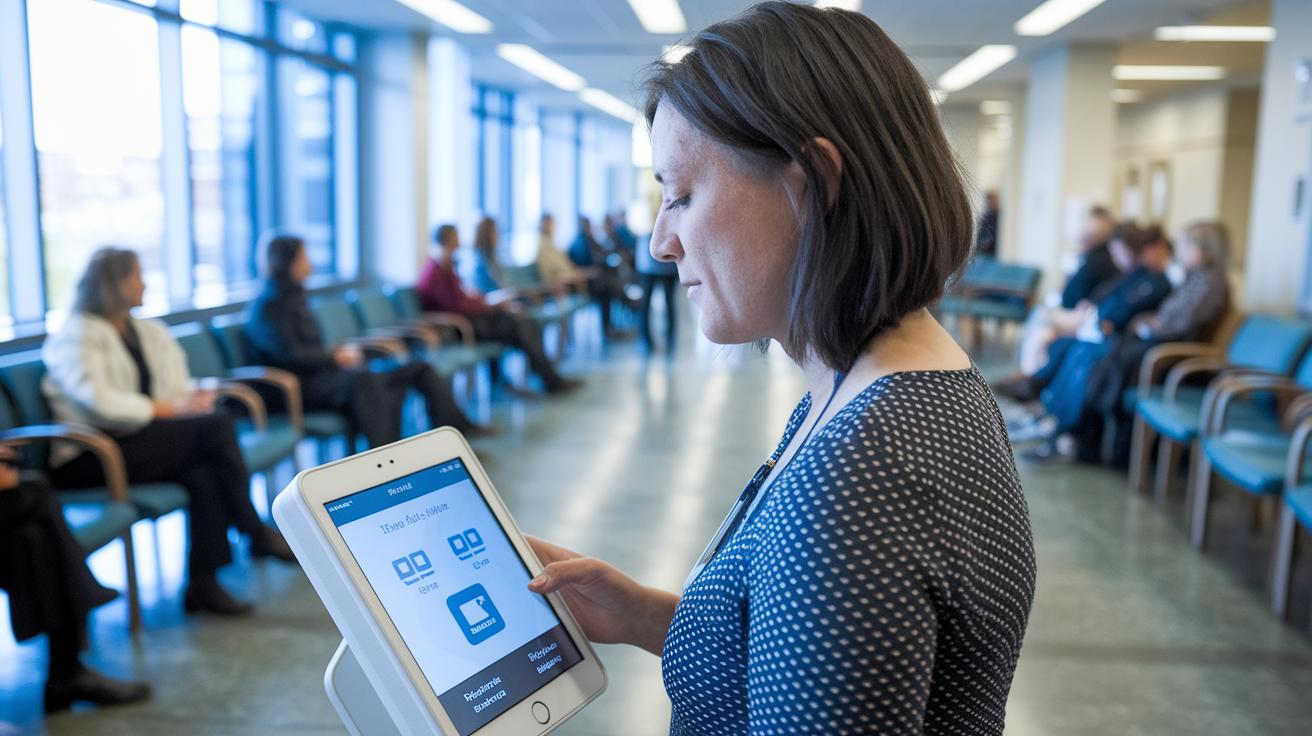
Digital tools are changing the way we experience health care. A mid-sized clinic recently added digital check-in kiosks that cut patient wait times by 40%. This real-world example shows how simple technology can speed up daily tasks and ease the workload of busy staff.
At a regional hospital, a virtual queue system reduced no-show rates by 25%. Such clear case studies remind us that small, smart changes can make a big difference in both running the hospital smoothly and keeping patients happy.
Looking ahead, new technologies promise to make care even better. For example, blockchain, a secure way to share records so that data stays protected and unchanged, has already started making its mark in medical informatics. AI-powered predictive analytics, which review large amounts of health data, can help spot potential issues early and allow for prompt treatment.
Then there are IoMT wearables. These handy devices keep track of vital signs outside traditional settings, sending real-time updates to care teams. This helps doctors make quick adjustments to treatment plans, which can lower emergency visits and hospital readmissions.
Some telemedicine platforms are stepping up their game by adding virtual reality modules for remote rehabilitation. This fresh take on physical therapy makes sessions more fun and can boost recovery rates. Market experts even predict that global e-health solutions will grow at a 16% compound annual rate through 2030, paving the way for a future where personalized medicine, powered by genomics and AI, creates care that revolves around the patient.
Final Words
In the action, we explored how digital transformation in health care is reshaping patient care. We looked at core technologies like electronic health records, telemedicine, and cloud-based systems that simplify healthcare delivery. We also shared how data analytics and cybersecurity protect patient information, while operational tools improve everyday practices.
These advances help us manage symptoms, boost patient engagement, and support better decision-making for a healthier life. Embrace these practical changes with optimism and confidence for a brighter, healthier tomorrow.
FAQ
What are examples of digital transformation in healthcare?
The examples of digital transformation in healthcare include telemedicine for remote consults, electronic health records that simplify data access, cloud-based systems for patient management, and patient portals that offer secure access to lab results.
What does the digital transformation in healthcare industry PDF provide?
The digital transformation in healthcare industry PDF provides detailed models and case studies that explain how telehealth, electronic records, and secure data sharing improve patient care and reduce administrative tasks.
What insights does a digital transformation in healthcare PowerPoint presentation offer?
The digital transformation in healthcare PowerPoint presentation outlines key steps such as adopting telemedicine, utilizing cloud systems, and implementing interoperable records to help audiences grasp the benefits of modern tech in health care.
What do digital transformation in healthcare courses teach?
Digital transformation in healthcare courses teach emerging tech like telehealth, data analytics, and secure patient management while preparing professionals to adopt and optimize innovative tools for improved care.
What is the impact of digital transformation in healthcare?
The impact of digital transformation in healthcare is evident in faster patient care, reduced paperwork, and enhanced diagnostic precision through advanced data analytics and remote monitoring systems.
What are the benefits of digital transformation in healthcare?
The benefits of digital transformation in healthcare include improved access to care, streamlined administrative processes, enhanced diagnostic capabilities, and better overall patient outcomes through efficient tech integration.
What leads digital transformation in health care?
The leading digital transformation in health care is driven by integrated telehealth services, modern electronic records systems, and cloud-based patient management platforms that work together to deliver seamless and secure care.
What challenges does digital transformation in healthcare face?
The challenges of digital transformation in healthcare involve updating legacy systems, protecting patient data against breaches, and complying with strict regulations while integrating new technologies into existing frameworks.
What is digital transformation in healthcare?
Digital transformation in healthcare is the process of using technologies like telemedicine, electronic health records, and secure patient portals to update and streamline care delivery, making services more accessible and efficient.
What are the four types of digital transformation?
The four types of digital transformation include process, business model, organizational, and customer experience transformation, each boosting efficiency, care quality, and patient engagement in its own way.
How are digital technologies changing health care?
Digital technologies change health care by enabling remote consults, quick access to patient records, AI-supported diagnostics, and secure cloud-based data management, which together improve efficiency and patient outcomes.
What is the number one emerging topic in healthcare today?
The number one emerging topic in healthcare today is telemedicine, which expands access to care with features like on-demand virtual consultations, remote monitoring, and interactive wellness applications.