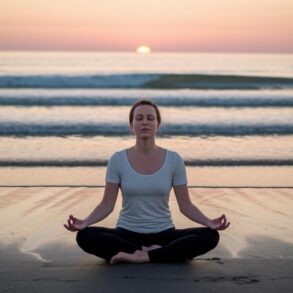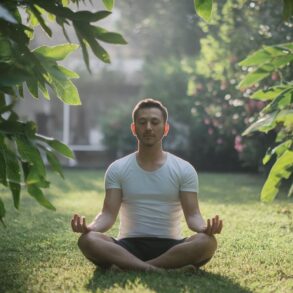
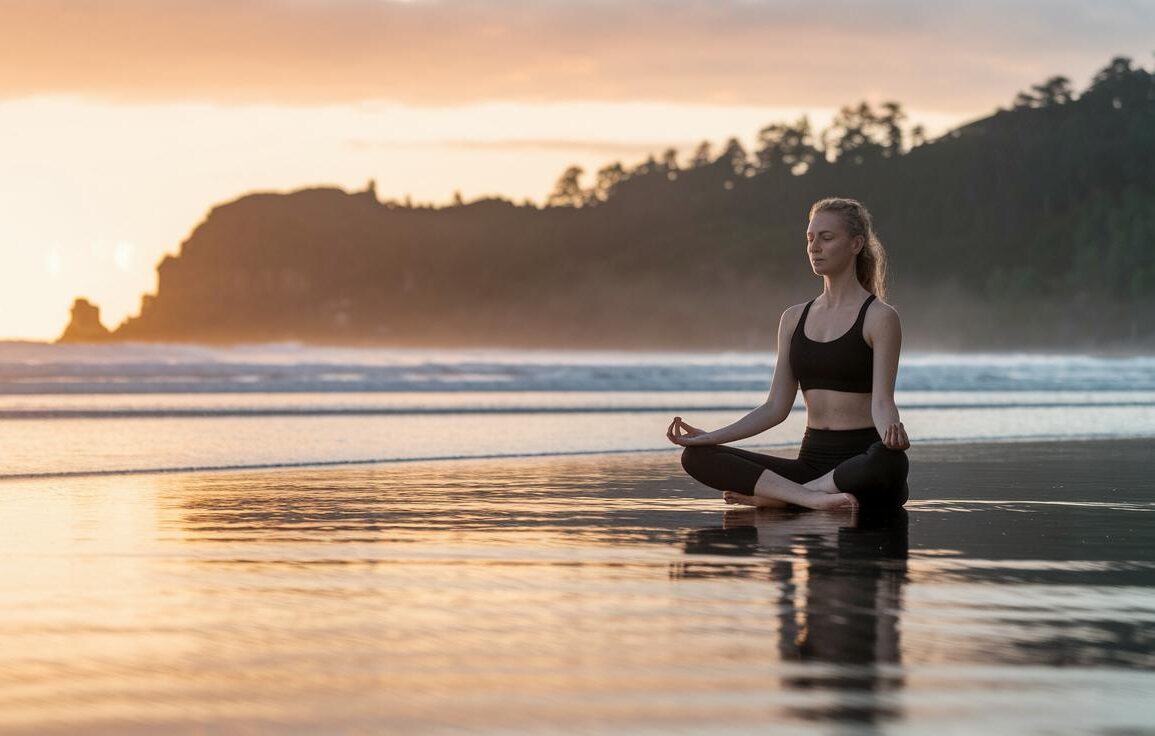
Have you ever asked if true peace might be as simple as noticing the moment without getting caught up in your thoughts? Mindfulness shows us how to focus on now, like watching gentle ripples across a calm pond. This guide shares easy ways to clear your mind and lift your day. Ready to try simple steps that help you feel more at ease and balanced? Remember, calm living isn’t just for experts, it’s a choice everyone can make.
Understanding Mindfulness in Plain English

Mindfulness is simply being present right now, noticing everything happening around and within you without passing judgment. It’s like sitting by a calm lake, watching gentle ripples on the water without trying to change them. Think of it as quietly observing your thoughts and feelings as they come and go. For instance, imagine catching the warm, inviting smell of freshly baked bread when you stroll by a bakery.
Ven. Henepola Gunaratana wrote this guide in clear, friendly language so that anyone can join in. His words are warm and direct, cutting out the confusing lingo that often makes mindfulness seem out of reach. His approach has been trusted for many years, a favorite in courses like Mindfulness-Based Stress Reduction, making it a go-to resource for beginners and those returning to the practice. His light, humorous style welcomes everyone, whether you’re on a spiritual journey or simply looking for practical ways to feel better.
This guide explains mindfulness in simple, everyday terms that anyone can understand. It walks you through paying attention to your breath and the sensations in your body using clear, step-by-step advice instead of complicated jargon. Since first appearing online in 1997, it has been updated regularly to keep its tips fresh and useful. By ditching the heavyweight, technical language often found in meditation books, it encourages you to start with just a few minutes each day. Over time, you might find that this gentle practice brings a sense of calm and a more centered life.
Simple Mindful Awareness Exercises in Plain English
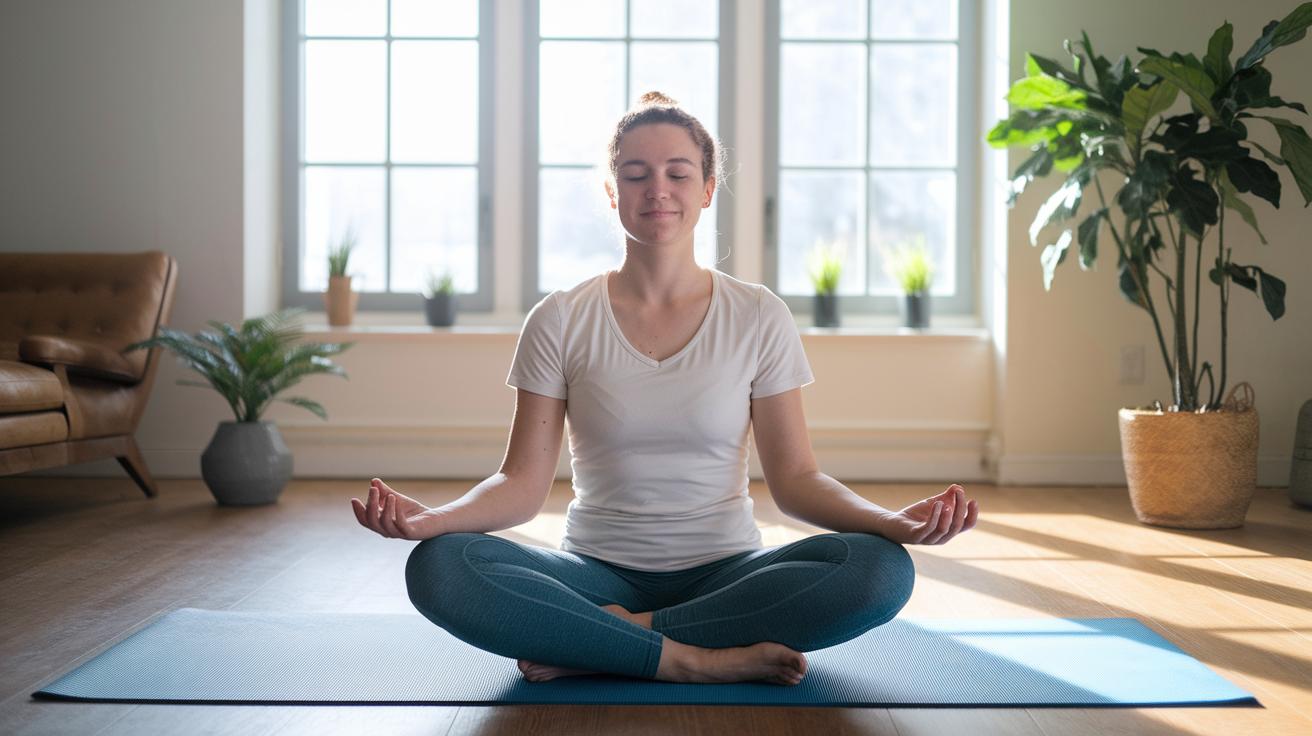
Getting started with mindfulness can be really simple. Even just 5–10 minutes of practice gives your mind a chance to settle down without feeling too overwhelmed. These easy exercises are like little building blocks that can help you feel more aware with time.
-
Breath observation:
- Sit in a comfy spot and relax your shoulders.
- Set a timer for 5–10 minutes.
- Gently close your eyes or let your gaze soften.
- Focus on your natural breathing, noticing each gentle inhale and exhale.
-
Body scan:
- Lie down or sit in a position that feels good.
- Start at the top of your head and slowly move your focus down through your body.
- Notice any feelings of tension or relaxation in each area.
- Breathe into any tight spots and let your body relax a bit more each time you exhale.
-
Mindful walking:
- Pick a quiet path where you can walk without distractions.
- Walk slowly and pay attention to each step.
- Feel the movement of your legs and the sensation of your feet touching the ground.
- Let your breathing naturally match up with your steps.
Try focusing on one of these routines every day. Doing so can help you build a steady mindfulness practice that feels both easy and effective. For more guidance on these simple exercises, visit the mindfulness practices page at https://factchx.com?p=460.
A Step-by-Step Plain English Meditation Guide

Find a quiet, cozy spot where you can settle in without interruptions. Clear away distractions and grab a simple cushion or chair that feels just right.
- Set up your space – Tidy things up so your surroundings feel calm and inviting.
- Set a timer – Pick a short session, maybe 5 to 10 minutes, perfect for a busy day.
- Get comfy – Sit with your back straight yet relaxed. Rest your hands gently on your lap and let your eyes soften.
- Focus on your breath – Notice your natural breathing. Feel the cool air coming in and the warm air leaving, like a gentle, refreshing wave.
- Let thoughts drift – When thoughts pop up, don’t judge them; just let them float by like passing clouds.
- Wrap up slowly – End your session by taking a few extra deep breaths to smoothly transition back into your day.
After meditating, take a few minutes to reflect. Notice any small changes in how your body feels or shifts in your mood. Maybe jot down a quick note like, “After those deep breaths, a calm spread over me,” to help guide your future sessions.
Practical Tips for Living Mindfully in Plain English

Mindfulness can turn everyday moments into little pockets of peace and clarity. When you add a few slow, gentle pauses into your day, it's like giving yourself a mini break to reconnect with your body and mind. These small practices can help ease stress while reminding you to live in the moment.
Here are some easy ways to bring mindfulness into your routine:
- Mindful sipping: Enjoy each sip of water or tea by noticing its coolness, taste, and the way it feels in your mouth.
- Checking posture: Every so often, take a moment to adjust your sitting or standing position. Feel your back align and your shoulders relax.
- Listening pause: Pause for a few seconds to really listen to the sounds around you. Let the soft background noise become a calming melody.
- Conscious eating: With every bite, slow down and savor the textures and flavors. Let your body enjoy the simple pleasure of food.
- Daily self-compassion pause: Set aside a brief moment each day to treat yourself kindly. Try a short self-compassion meditation to build gentle awareness and strength.
Notice how these little habits might lead to small changes, a deeper breath, a lighter step, or a warmer mood. Keep track of your feelings and let each mindful pause encourage you toward a more balanced, less stressful day.
Overcoming Common Obstacles in Plain English Mindfulness
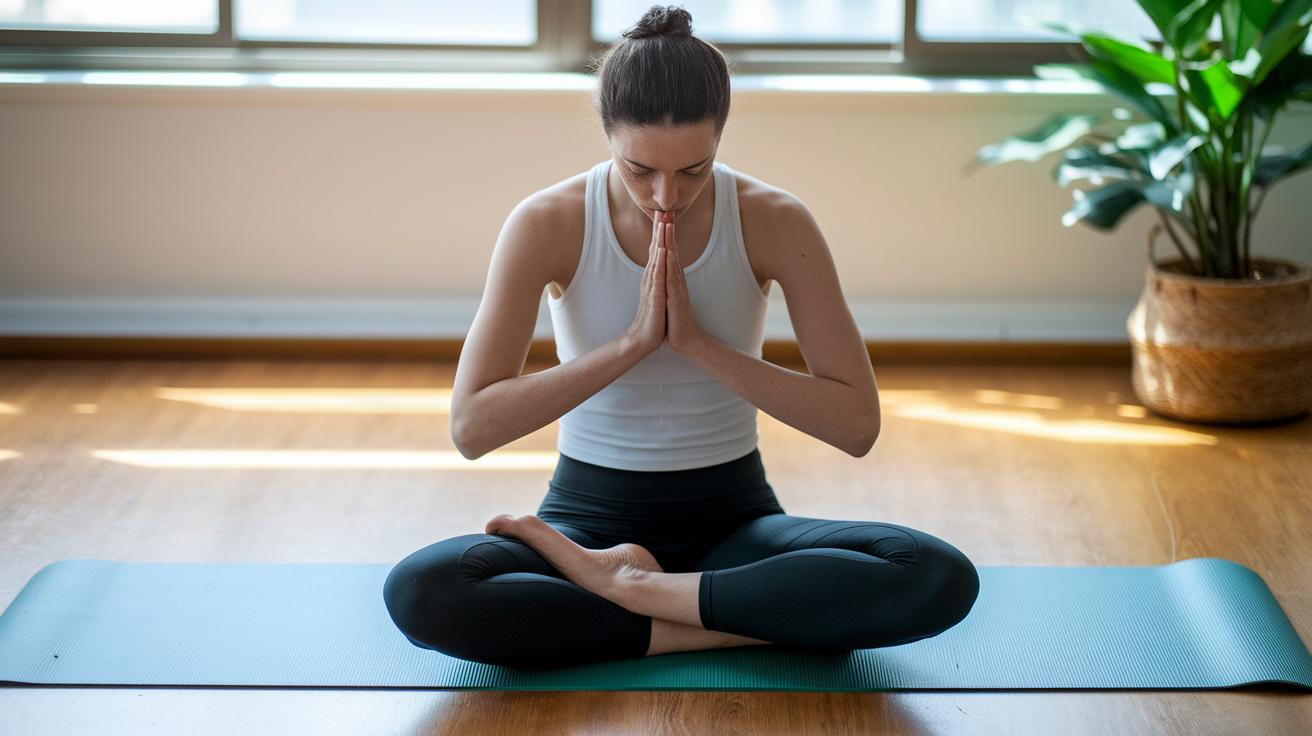
Sometimes your mind just doesn't want to chill out. If you're new to mindfulness, you might notice moments when you feel restless, drowsy, or like your brain is buzzing with activity. It's your body and thoughts learning a new way to focus, and there are no instant fixes, only small, steady adjustments that keep you moving forward.
Restlessness: brief tips
When you feel all wound up during your practice, try switching up your posture. Sitting a little straighter or shifting your position can help ease that tension. And if a long session feels too much, it's perfectly fine to start with just a few minutes until you're ready for more.
Drowsiness: quick fixes
It’s totally normal to feel sleepy during meditation. A little stretch or a change in how you sit to create a more alert position can make a big difference. Sometimes, opening your eyes for a second is all it takes to gently remind your mind to stay awake.
Mental Chatter: simple labeling practice
When thoughts buzz in your head, try softly labeling them as "thinking" and let them pass. This simple step helps clear space in your mind without any judgment. It’s like telling yourself, "I hear you, now back to my breath."
Remember, a little patience and steady practice go a long way. Each small step builds a stronger, more resilient mindfulness practice that grows with you every day.
Final Words
In the action, this guide explains mindfulness in plain english using everyday words and practical steps. It began with a simple definition, then shared easy exercises, a step-by-step meditation guide, and clear tips on living mindfully day by day. It even addressed obstacles like restlessness and mental chatter with brief, friendly advice. Start putting these techniques into practice and feel the change in your daily routine. Small, steady steps can lead to a calmer, happier life.