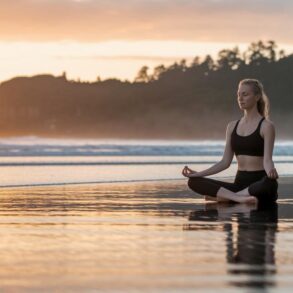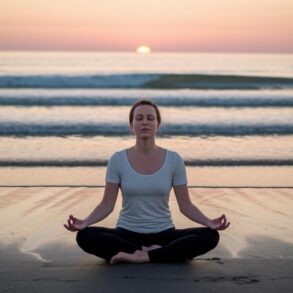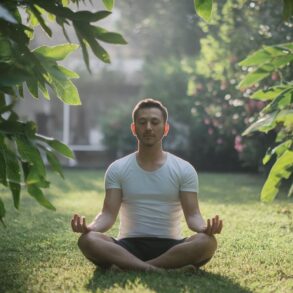
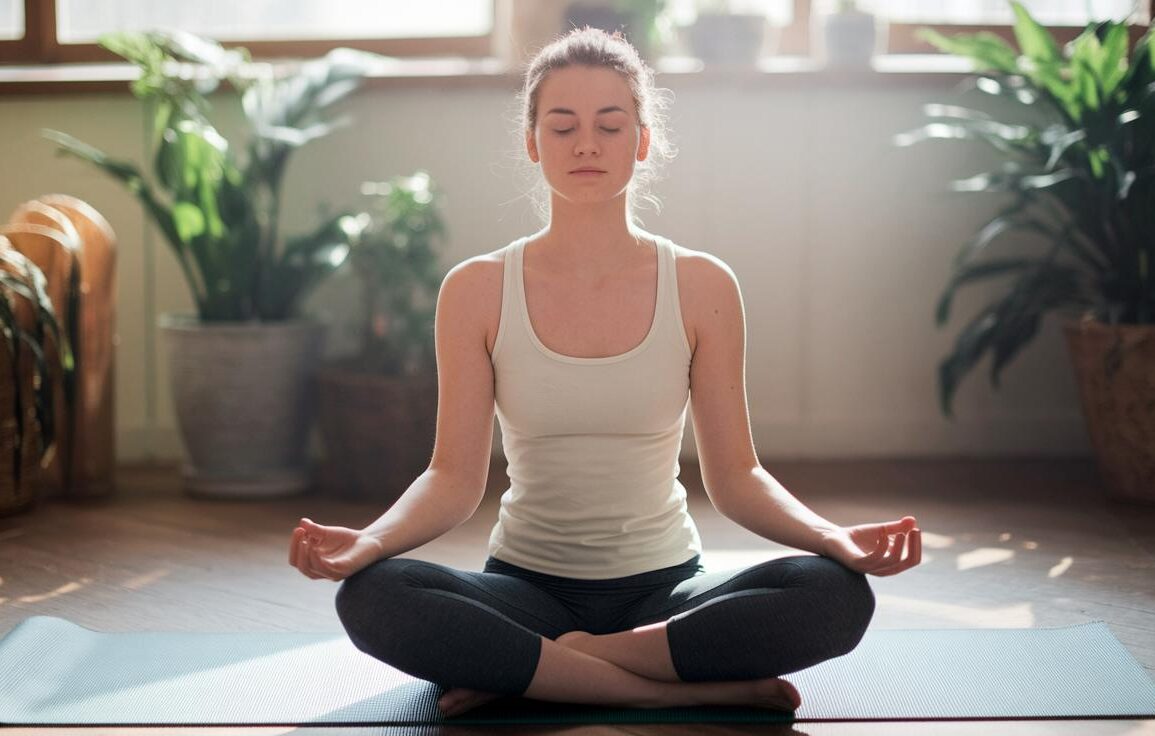
Do you ever feel overwhelmed by racing thoughts and endless worry? I get it, sometimes your mind feels like a pond full of ripples you can’t quite still. Mindfulness meditation may be just the thing to help you find some calm.
Imagine your thoughts as gentle waves that you watch quietly instead of getting caught in. Even a few minutes of focusing on your breath can shift your day towards peace. It’s a simple idea: let your feelings come and go without fighting them.
Next time you’re feeling anxious, try pausing for a moment. Just take a deep breath and notice how your body feels. This small break might be the start of turning stress into a quiet, healing pause.
Mindfulness Meditation Benefits for Anxiety Relief

Mindfulness meditation helps you settle into the present moment without any harsh judgments. It’s as simple as noticing your thoughts and feelings as they pop up and drift away, much like watching leaves float along in a stream. Fun fact: even a few quiet moments in a calm space can turn worry into peace.
Research shows that when you learn to simply notice your thoughts without acting on them, your anxiety can start to fade. Instead of getting stuck on stressful feelings, your mind treats them like passing clouds. Think of it like taking a mini-break during a busy day, pausing to enjoy the refreshing splash of cool water on your face.
One study with 82 people discovered that just 10 minutes of guided mindfulness each day helped reduce those nagging, repetitive worries. This means that even a short time spent in the moment can break the cycle of anxious thoughts. If you’re new to this, know that even a simple, regular practice might make a big difference in managing stress over time. Start small, and remember: just like a gentle breeze smoothing out ruffled leaves, a few minutes of mindful breathing can bring a wave of calm into your day.
The Science Behind Mindfulness Meditation for Anxiety
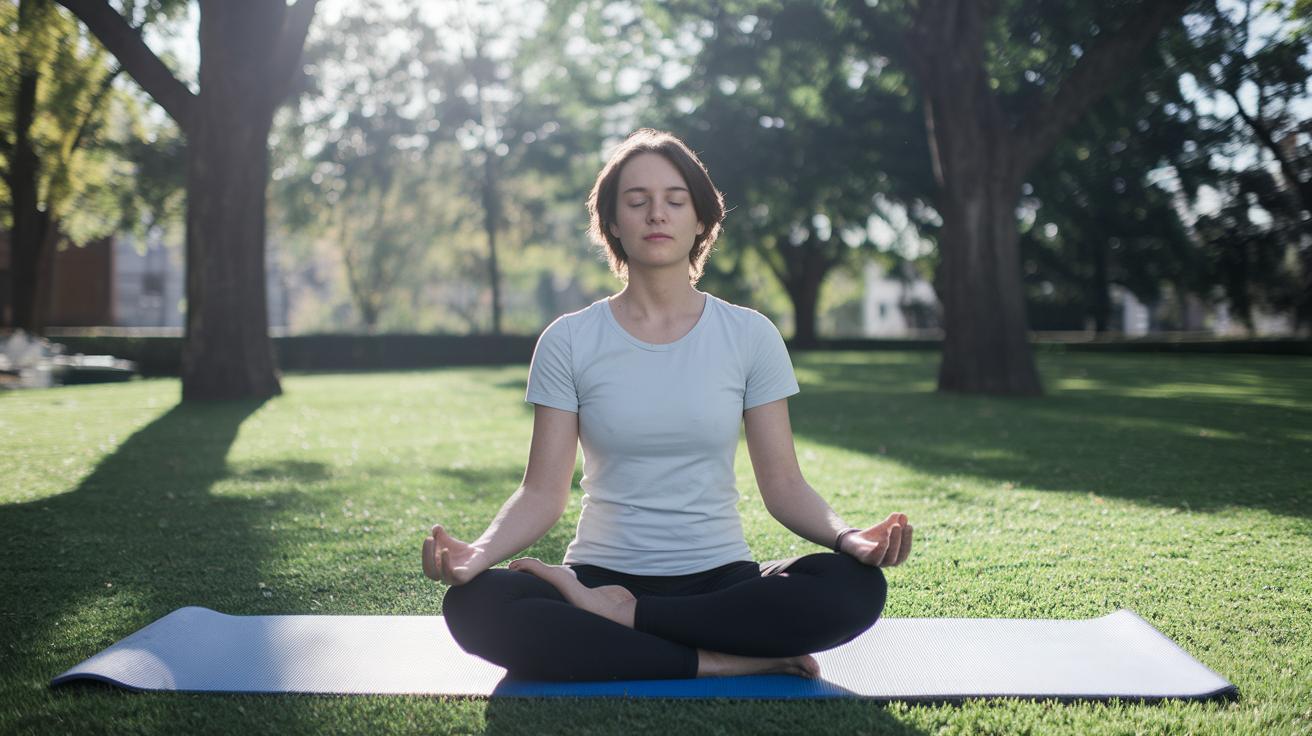
Studies show that simply noticing your thoughts and feelings can help quiet anxiety. When you learn to observe without judging, it’s like giving your mind a little break from stress. This practice creates a space where worry can settle, helping you feel more balanced overall.
Programs like the 8-week Mindfulness-Based Stress Reduction (MBSR) and Mindfulness-Based Cognitive Therapy (MBCT) are great examples. With MBSR, you join weekly group sessions and do gentle exercises at home to ease chronic stress. MBCT, on the other hand, guides you to watch negative thoughts without trying to change them, which can help prevent feelings of depression. Both methods rely on regularly practicing the art of noticing your thoughts in a calm, friendly way.
Early studies highlighted big improvements in mental health from mindfulness meditation, though more recent research suggests that the benefits are steady and build over time. Typically, these studies involve weekly group sessions and home practice, showing that real progress comes with consistent effort, personalized guidance, and realistic expectations.
Step-by-Step Mindfulness Meditation Techniques for Anxiety
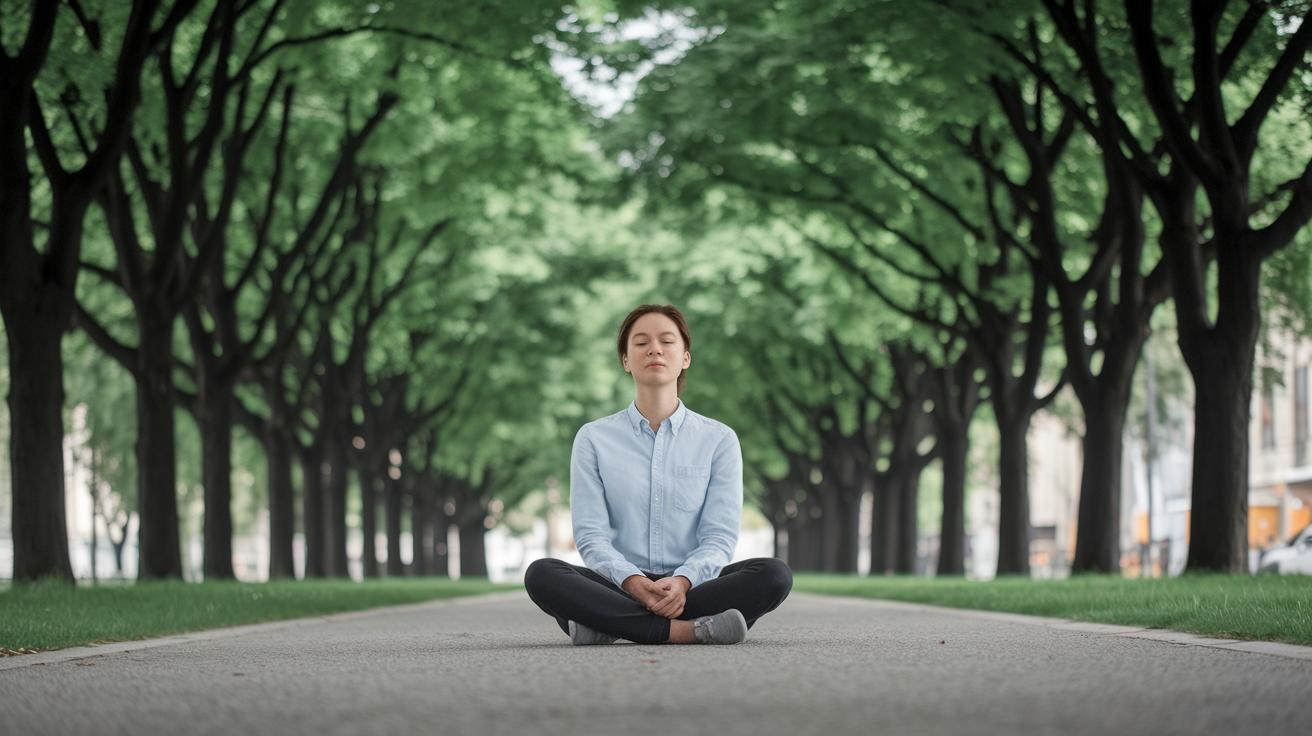
Begin with a simple practice that you can easily fit into your day. Imagine taking a few moments, like catching a refreshing breeze on a cool morning, to clear your mind and refocus.
- Start by being aware of the now. Look around, notice the simple sounds, and feel what’s happening inside you.
- Watch your thoughts and feelings without being hard on yourself, kind of like seeing little ripples spread on a quiet pond.
- Whenever your mind drifts away, gently bring your focus back to your breathing or another small, physical point of interest.
Try these different session ideas to see which fits you best:
- 5-minute session: A quick breathing exercise to give your day a calm start.
- 17-minute session: A balanced method that mixes deep breathing with a gentle body scan.
- 20-minute session: An engaging routine that uses both counting breaths and feeling your body’s subtle signals.
- 30-minute session: A longer meditation that helps you dive deeper into relaxation and really enjoy being present.
If you’re just starting out, it’s totally fine to begin with only a few minutes. The key is to find a duration that feels natural for your day. Sometimes, setting aside 30 minutes might seem too much, so why not try a shorter 5- or 17-minute session? Every little bit of practice builds calm step by step. On days when you can spare more time, a 20-minute session might let you explore your inner world a bit more. Experiment and soon you’ll discover which session brings the most peace and refreshment to your mind and spirit.
Breathing Exercises in Mindfulness Meditation for Anxiety

Diaphragmatic breathing, or belly breathing, is a simple trick to ease anxiety. Instead of taking quick, shallow breaths that only fill your chest, try slow, deep breaths that let your belly gently expand. This practice lets you relax your body and clear your mind. Many people start with just five minutes a day, noticing the cool, refreshing air filling their lungs and feeling their belly rise and fall. It’s like giving yourself a little pause to reset both body and mind.
| Duration | Practice Tip |
|---|---|
| 5 minutes | Simplify things, focus on each slow, deep breath. |
| 10 minutes | Notice the gentle rise and fall of your belly as you breathe. |
| 20 minutes | Add a touch of awareness to nearby sounds and feelings. |
| 30 minutes | Allow your mind to settle into a calm, peaceful state. |
When panic starts to sneak in, try grounding yourself with focused breathing. Rather than letting anxious thoughts take over, turn your attention to each slow breath, you might even feel the tension slip away with every exhale. This simple act can break the cycle of panic and help you slowly feel in control again.
mindfulness meditation for anxiety: Embrace Calm

Adding mindful moments to your day can make stress seem smaller and help your mind feel steady. Mindfulness isn’t just about sitting quietly; it can show up when you eat, relax, or work. These easy techniques bring your focus to now, giving you a short break from worry. Try adding a few of these ideas into your day:
- morning meditation ritual
- quick workplace mindfulness breaks
- mindful meals
- a simple pre-sleep reflection routine
- a 5-minute midday reset
When you use these ideas regularly, you build a habit that supports a more calm and self-assured day. Small mindful breaks help you notice your thoughts and feelings, so anxiety starts to lose its grip as you come back to the present. This clearer focus can also help you sleep better and even do better at work because your mind learns to relax and find its balance.
Stick with these small habits, and over time you may feel stronger inside. Just like water slowly erodes stone, these calm moments can lower your overall anxiety bit by bit. Each mindful pause helps create a smoother, more balanced inner life that supports a quieter mind and a healthier you.
Overcoming Common Challenges in Mindfulness Meditation for Anxiety
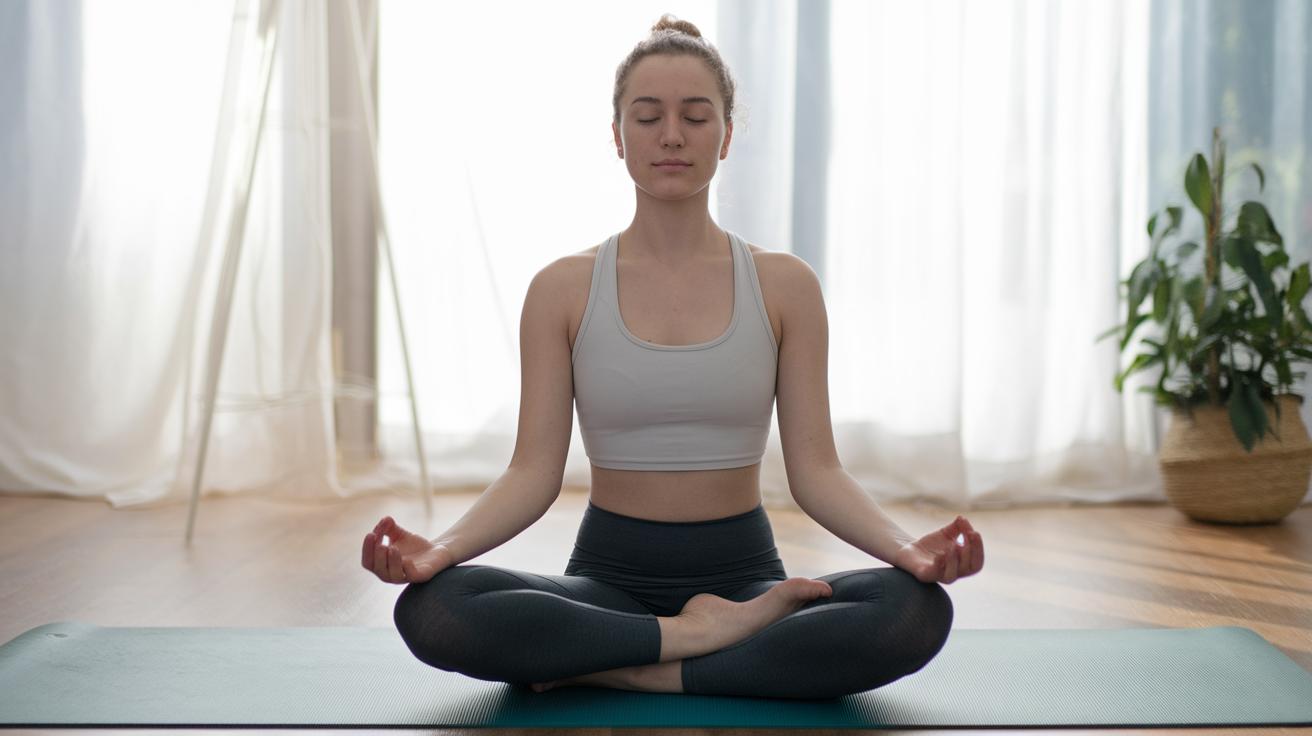
Starting mindfulness meditation sometimes feels hard at first. Many people notice that their thoughts wander, and it can be a bit frustrating when things don’t come naturally right away.
Even a short session may feel tricky if your mind drifts or you feel restless. When this happens, try accepting those moments and gently bring your focus back to your breath. Over time, this simple act can help you feel calmer.
- If your mind drifts, set a gentle timer to remind you to come back to the present.
- If you feel impatient, begin with 5-minute sessions to slowly get used to the practice.
- If uncomfortable sensations arise, shift your focus to the simple feeling of your breath or another basic physical sensation.
- If you get bored, try a body scan that checks in with different parts of your body to keep your mind engaged.
Building a steady practice takes time and patience. Instead of expecting every session to be perfect, see each one as a little step forward. Guided meditation tools, like apps or short video sessions, can be really helpful on days when focusing feels tough. As you keep up with the practice, even brief periods of mindfulness can work wonders for managing anxiety. Every moment spent being mindful can clear your mind a bit more, showing that small changes add up to lasting benefits.
Frequently Asked Questions about Mindfulness Meditation for Anxiety

Many people notice a gentle calm after about 10 minutes of guided meditation each day. In a study with 82 individuals, participants shared that it might take a few sessions before their body and mind settle into the routine.
Meditation isn’t a replacement for anxiety medication. Always chat with your healthcare provider for advice, as meditation is meant to work alongside other treatments.
A lot of beginners start with a short session, around 5 to 10 minutes, and gradually build up as they feel more at ease. Some even expand their practice to 17 or 30 minutes to deepen their focus.
If persistent thoughts arise, try gently shifting your attention back to your breathing or a physical sensation. Research shows that noticing thoughts without judging them, and then returning to your point of focus, can help lessen their hold on you.
Mindfulness practices, especially mindful breathing, are generally safe even during panic episodes. If you ever feel extremely overwhelmed, it might help to focus on a physical sensation and simply acknowledge the panic without trying to change it.
Final Words
In the action, we broke down how mindful practices can reduce stress and provide practical steps to ease anxiety. We covered everything from basic meditation techniques to targeted breathing exercises and practical tips for incorporating these habits into daily life. Simple exercises and research-backed insights help you face challenges confidently. Every step builds a solid foundation using mindfulness meditation for anxiety, showing that small, steady practices pave the way for brighter, calmer days. Stay positive and keep moving forward.
FAQ
How can guided meditation help manage anxiety, overthinking, depression, and stress?
Guided meditation for anxiety, overthinking, depression, and stress works by centering your mind on the present while calming disruptive thoughts. A brief 10-minute session can help reorient your focus and ease stress.
Can mindfulness meditation cure anxiety?
Mindfulness meditation doesn’t cure anxiety but can ease its symptoms by teaching non-judgmental awareness of thoughts and feelings. It serves as a helpful tool alongside other treatments.
What is the 3-3-3 rule for anxiety?
The 3-3-3 rule for anxiety asks you to notice three things you can see, hear, and touch. This method helps ground you and refocus your attention during anxious moments.
What is the best mindfulness practice for anxiety?
The best mindfulness practice for anxiety involves quiet, focused breathing with gentle acceptance of thoughts. Many find that short, guided sessions build calm and reduce worry in daily life.
What natural remedy is good for anxiety?
A natural remedy for anxiety mixes mindfulness meditation with slow, deep breathing. These practices help ease symptoms by grounding you in the present and promoting a calm state of mind.