

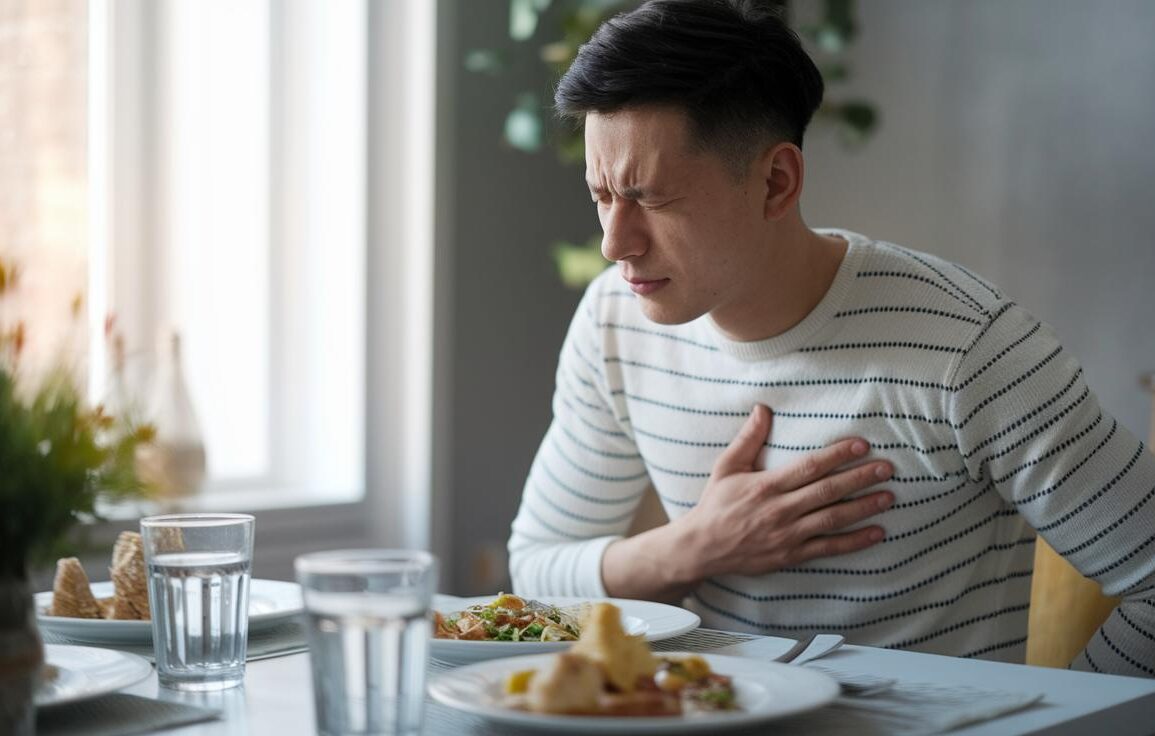
Have you ever felt a little pinch in your chest after a meal? It might sound worrisome, but it’s likely just your body telling you that some foods aren’t agreeing with you.
In this guide, we explain why that feeling happens and share some simple tips to help ease the discomfort. And if the pain sticks around or gets worse, we’ll tell you when it might be a good idea to check in with a doctor.
Understanding Post-Meal Chest Discomfort: Causes, Symptoms & What to Watch For

Ever notice a little chest discomfort after a big meal? It might be your body’s way of saying, “Hey, that food didn’t sit right!” Often, this happens after eating heavy, greasy, or spicy dishes. When stomach acid flows back into the tube that leads from your stomach (known as acid reflux), it can cause a burning feeling right in the center of your chest.
You might feel a warm, burning sensation behind your breastbone along with a slight tightness. It’s usually just a gentle reminder from your body rather than a sign of a serious heart issue. A couple of antacids or switching up your food choices can often ease the discomfort faster than you’d expect.
But if the pain sticks around, or if you also experience shortness of breath or the pain spreads to your arms or jaw, it might be time to check in with your doctor. Keep track of how long the discomfort lasts after a meal, it can tell you whether it’s a tiny hiccup or something that needs a bit more attention.
Exploring Common Causes of Chest Discomfort After Eating

After you eat, a twinge in your chest might make you wonder if something’s wrong with your heart. Often, it's a burning feeling caused by acid reflux or GERD (a condition where stomach acid backs up into your esophagus). You might feel that familiar heat behind your breastbone, especially after a meal rich in spicy or fatty foods.
Other tummy troubles can also lead to chest pain. For example, gallbladder issues might cause sharp or cramping pain on your right side that sometimes spreads into your chest. Esophageal spasms (sudden, unexpected muscle contractions) can bring on brief bursts of discomfort, and peptic ulcers might cause a dull ache that gets worse after eating. On the rare occasion, if chest pain comes with extra symptoms, it could signal a heart problem.
Below are some common causes to keep in mind:
- Acid Reflux/GERD
- Gallbladder Issues
- Esophageal Spasms/Disorders
- Peptic Ulcers
- Potential Cardiac Concerns
Each of these conditions has its own clues. Chatting with a healthcare provider can help you pinpoint what’s really happening. Whether it’s a quick bout of acid reflux or something that needs more care, understanding these triggers can clear things up and guide you toward feeling better.
Distinguishing Gastrointestinal Versus Cardiac Chest Discomfort After Eating
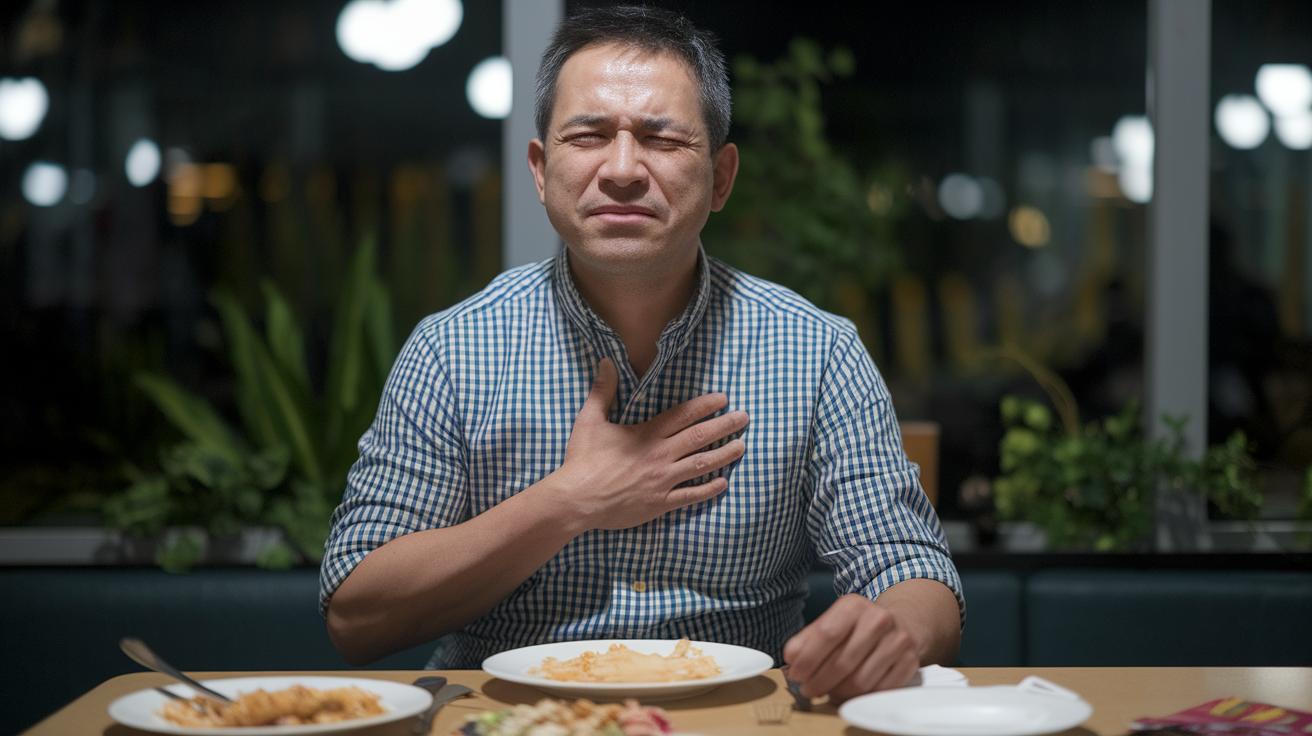
When you feel chest pain after a meal, the way the pain feels can give you clues about what's really going on. Gastrointestinal issues, like acid reflux (when stomach acid goes up and burns your chest), often bring a burning sensation right behind the breastbone. This pain usually eases if you take an antacid. On the other hand, if the pain comes from the heart, you might feel a tight pressure that can travel to your arms, neck, or jaw. Often, this type of pain comes with shortness of breath and sweating too.
| Characteristic | Gastrointestinal (e.g., GERD) | Cardiac (e.g., Angina) |
|---|---|---|
| Nature of pain | Burning and focused behind the breastbone | Tight pressure that may spread to the arm, neck, or jaw |
| Response to treatment | Usually gets better with antacids | Likely needs immediate tests and medical care |
Noticing these differences is essential. If you take some over-the-counter medicine and the pain fades, it might just be a digestion issue. But if the pain feels heavy, spreads, or comes with other symptoms like difficulty breathing, it could be heart-related and should be checked by a doctor. Paying attention to these signals can help you choose whether it’s time to relax or get a professional opinion.
Self-Care and Home Remedies for Managing Post-Meal Chest Pain

If you feel a tight or warm sensation in your chest after eating, try a few simple tweaks in your daily routine. It’s like giving your stomach a little break. Eating smaller, more frequent meals can really help your digestion, and avoiding foods that trigger heartburn might make a big difference.
Sometimes, an over-the-counter antacid can be a quick way to ease the discomfort. Picture yourself sipping a warm cup of ginger tea and feeling that calming warmth soothe your chest, it's a little moment of relief that can change your day.
Here are some practical tips to help manage your symptoms:
- Eat smaller meals more often to keep digestion smooth.
- Avoid trigger foods like spicy, fatty, or acidic items.
- Use heartburn treatments when needed for extra relief.
- Sip on ginger tea for its natural calming effect.
- Consider digestive enzyme supplements to help your gut work better.
Each of these ideas lets you listen to your body a bit more closely and adjust your routine for better comfort. In truth, small changes can pave the way for healthier, happier meals.
Recognizing Red Flags and When to Seek Medical Help for Post-Meal Chest Discomfort
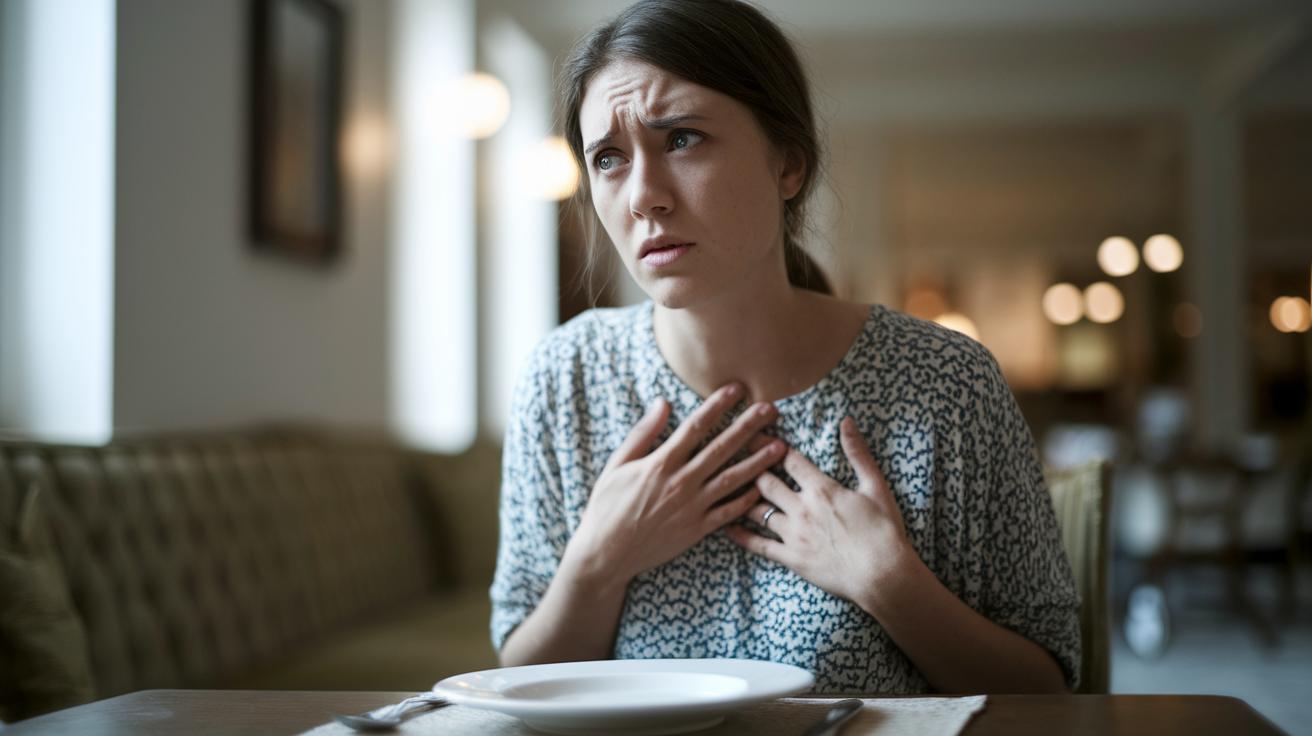
If you feel chest pain after eating, it might just be your body dealing with a full stomach. But sometimes, this pain could mean something more serious is happening. Ever notice how some pains just don’t fade away?
Watch out for these warning signs:
- Pain that lasts over five minutes
- Discomfort that gets worse when you move around
- Feeling short of breath at the same time
- Pain that travels to your arms, neck, or jaw
- Experiencing severe nausea or heavy sweating
If you spot any of these red flags, it’s a good idea to see a doctor right away. They might suggest running tests like blood work, an endoscopy (a simple look inside your body), or imaging scans to get a clear picture of what’s going on. Getting checked out quickly can help you get back on track and feel better sooner.
Final Words
in the action, we walked through what causes chest pain after eating and how to spot signs that might need care. We talked about common triggers like acid reflux and differences between digestive and heart-related pain. We also shared simple tips for self-care and listed red flags that mean it’s time to call a doctor. Our discussion keeps things clear and helpful for anyone finding these symptoms. Stay positive and take the steps you need to feel your best every day.
FAQ
Q: What does chest pain after eating indicate if it doesn’t feel like heartburn or is felt on the left side or in the upper middle chest?
A: Chest pain after eating, whether it feels stabbing, tight, or is located on the left or upper middle area, often points to digestive issues like acid reflux or esophageal spasms, not necessarily heart problems.
Q: How does GERD cause chest pain and where is it usually felt?
A: GERD-related chest pain is typically a burning sensation felt behind the breastbone. This happens when acid irritates the esophagus, and it may worsen after meals rich in spicy or fatty foods.
Q: How can I quickly stop chest tightness after eating, especially if it’s related to GERD?
A: To relieve chest tightness linked with GERD, try using antacids, sipping warm ginger tea, or eating smaller meals. These steps can ease discomfort until the acid settles.
Q: Can chest pain after eating mimic a heart attack, and what signs should prompt medical care?
A: Chest pain after meals can feel intense and similar to a heart attack, but heart-related pain usually includes shortness of breath or pain radiating to arms or jaw. If you experience these or persistent discomfort, seek medical help.
Q: Why do I sometimes feel like I’m having a heart attack after I eat?
A: That overwhelming sensation may be caused by severe acid reflux or esophageal spasms, triggering intense pain and anxiety. Still, any severe or prolonged symptoms should be checked by a healthcare professional.