


Ever felt a sudden pinch under your left breast and wondered if it might be serious? Sometimes that pain can come from your heart, muscles, or even your stomach. It might feel scary, but knowing a bit more about the common causes can help ease your worries.
In this guide, we'll chat about the usual reasons behind left chest pain in simple, everyday language. You might notice that everyday activities, stress, or even a minor injury can lead to discomfort. Understanding these signals can help you feel more at ease about what your body is trying to tell you.
Left Chest Pain Under the Breast: Common Causes at a Glance
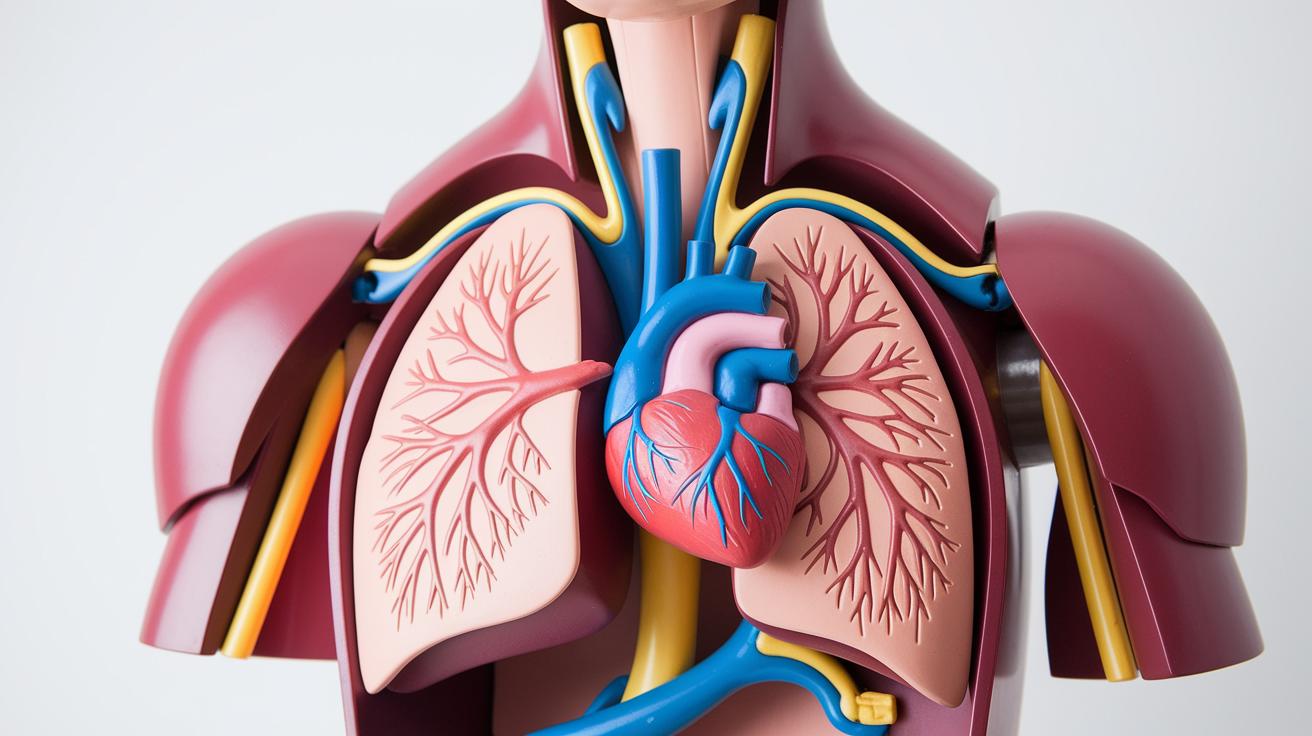
The left chest area holds several important organs that do different jobs. For example, the heart pumps blood, the lungs bring in oxygen, the stomach helps with digestion, the spleen works to fight infections, and the pancreas controls how your body processes energy. Knowing these parts makes it easier to understand why you might feel pain here.
Pain under the left breast can have many sources. It might come from the heart or its blood vessels, the muscles and bones along the chest wall, or even the digestive system in the upper belly. Sometimes, less common issues can also be a factor. The main types of causes include:
- cardiac
- musculoskeletal
- gastrointestinal
- other causes
In future parts of this series, we’ll explore each of these groups in more detail. For instance, heart problems like angina might give you a squeezing or tight sensation. Muscle injuries from heavy activity or an awkward move could lead to a sharp pain that gets worse when you move. And digestive troubles like acid reflux can bring on a burning feeling in the upper chest. This quick look gives you a basic idea of why left chest pain happens, which can help as you learn more about specific symptoms and relief options.
Heart-Related Conditions Causing Left Chest Pain Under the Breast
When you experience pain under your left breast, it might be a sign of heart trouble. Angina and heart attacks are two common causes. Angina often comes on as a squeezing, tight pain when you're active and eases once you rest, while a heart attack brings a more intense, long-lasting pain that sometimes spreads to your shoulder, arm, or jaw. There's also pericarditis, which causes a sharp pain that tends to worsen when you take a deep breath.
| Condition | Key Symptoms |
|---|---|
| Stable Angina | Chest pressure with exercise that eases with rest |
| Heart Attack | Strong, persistent chest pain that may radiate to the left arm, jaw, or back, plus sweating and shortness of breath |
| Pericarditis | Sharp, stabbing pain that gets worse with deep breaths |
It's important to spot these warning signs early. If your chest starts feeling tight suddenly or the pain spreads beyond your chest, especially if you also feel short of breath, dizzy, or start sweating, that's a clear call for immediate care. Sometimes, even a deep breath can make the pain spike, which adds to the concern. So, if the pain lasts for several minutes or you notice other symptoms like nausea or an irregular heartbeat, it’s best to get checked by a healthcare professional right away. Remember, acting fast can really help safeguard your heart health.
Musculoskeletal Causes of Left Chest Pain Under the Breast

Sometimes, doing too much or a sudden jolt can stress the muscles and cartilage in your chest. This extra strain can lead to pain that might feel sharp or a bit dull. Heavy lifting, quick twists, or even an awkward move during exercise can trigger these issues.
Common causes include:
- Muscle strain
- Costochondritis (inflammation of the cartilage connecting the ribs to the breastbone)
- Intercostal muscle spasm (sudden contraction of the muscles between the ribs)
- Rib cartilage inflammation
At times, repetitive stress or a small injury makes the area along your left rib or chest muscles feel extra sore. Simple things like reaching up for something high or twisting quickly can worsen the discomfort, especially when you move or press on the spot. Before you worry too much or visit a doctor, try some gentle stretching, a cold compress, or even an over-the-counter pain reliever. Have you ever noticed how a little self-care can make a big difference? If you need more ideas on easing muscle-related chest pain, check out the tips at how to relieve chest pain and see if they help you feel better.
Gastrointestinal Triggers for Left Chest Pain Under the Breast

Sometimes, problems with your digestion can cause an uncomfortable burning or aching feeling right under your left breast. If your stomach lining gets irritated or if acid sneaks up into your food tube (esophagus), you might feel pain that seems a lot like chest pain. Often, these issues start in the upper part of your digestive system, where even a little irritation can lead to a noticeable ache. It can feel like a burning sensation or a tightness that grows worse when you lie down.
Here are some common causes:
After you eat, these sensations can become stronger as your body works to digest your meal. A heavy meal or foods that are hard to digest might trigger these feelings. Trying smaller, more frequent meals might help ease the discomfort and keep your digestion on track.
When to Seek Emergency Care for Left Chest Pain Under the Breast

If you ever get a sharp pain in your chest, act fast. In our heart emergency guide, we list five signs that mean you need help right away:
- sudden, severe pain
- an uneven heartbeat
- heavy sweating
- trouble breathing
- feeling dizzy
These signs can come from heart trouble or from other issues like muscle pain or even stomach problems. For example, that sudden, intense pain might mean there's a blockage in your heart's blood flow, and an uneven heartbeat shows your heart is having a hard time keeping a steady rhythm.
If you see any of these signs, call 911 immediately or head straight to the ER. Taking quick action can make all the difference, no matter what is causing the pain.
Diagnostic Approach for Left Chest Pain Under the Breast
When you visit your doctor about pain under your left breast, the first thing they do is carefully ask about your pain and take a look at you. They’ll ask when the pain starts, what makes it worse, and if you’ve felt it before. They also chat about your recent activities, what you’ve been eating, and other details to build a clear picture of your health. This simple conversation helps set up later tests like imaging or lab work, which give more clues about what’s causing the pain.
| Test | Purpose |
|---|---|
| ECG | Tracks the heart’s electrical signals |
| Chest X-ray | Shows lung and chest structures |
| Echocardiogram | Reviews how your heart works and looks |
| Endoscopy | Looks inside the upper digestive tract |
Once your test results come back, they help your doctor figure out if the pain is coming from your heart, lungs, or belly area. For example, if your ECG is unusual, it might hint at a heart rhythm problem. And if an endoscopy shows something, it could mean your stomach or esophagus is irritated. By matching your history with the test results, your provider can work quickly to treat the real cause of your pain.
Treatment Strategies for Left Chest Pain Under the Breast

When you notice discomfort under your left breast, there are several ways to find relief. For instance, if a pulled muscle or chest wall inflammation (costochondritis, meaning pain in the ribs) is the problem, a doctor might recommend NSAIDs or muscle relaxants to ease swelling and soothe tight muscles.
If your pain comes from acid reflux (that burning feeling when stomach acid rises), antacids or proton pump inhibitors (PPIs, which lower stomach acid) can help cool down that burn. When the pain is linked to heart issues, medications like nitrates or beta-blockers may be used to relax your blood vessels and ease stress on your heart.
Simple actions can also make a big difference. Resting and gently using ice on the area can calm the inflammation, while physiotherapy can help you rebuild strength and move more easily.
Here are some options to consider:
| Option | How It Helps |
|---|---|
| NSAIDs and Muscle Relaxants | Reduce swelling and ease muscle tension |
| Antacids and PPIs | Calm the burning feel of acid reflux |
| Nitrates and Beta-Blockers | Relax blood vessels and ease heart stress |
| Rest and Ice | Soothe inflamed tissues |
| Physiotherapy | Build strength and restore movement |
It helps to work with your healthcare provider to tailor these options to your needs. Sometimes, a combination of these treatments is recommended. For example, if you have both muscle strain and mild acid reflux, you may benefit from anti-inflammatory medicine, small diet changes, and a few sessions of physiotherapy to build strength.
Pay attention to how each choice affects your pain and adjust your plan with your doctor’s guidance.
Home Care and Lifestyle Measures for Left Chest Pain Under the Breast

Taking care of your chest pain at home can be a simple way to feel better. You might try easy stretches, keeping a good posture, and taking slow, deep breaths to help ease any tight muscles and give you a bit more control over the discomfort. These small changes can even help you get through your day with fewer interruptions.
Try adding these self-care habits into your routine:
- Stretching your muscles
- Keeping a good posture
- Deep breathing exercises
- Making small changes to your diet
- Practicing mindfulness
- Setting up your workspace comfortably
Sometimes, even little changes, like adjusting your desk or taking a moment for slow, deep breaths when you feel stressed, can really make a difference. You might find it helpful to jot down what you try and note when the pain seems to lessen. This simple journal can help you see what works best and give you good points to discuss with your doctor if needed. Enjoy the small wins, knowing these home tips are all about making daily life a bit easier and more balanced.
Final Words
In the action, we walked through key insights about left chest pain under breast, exploring heart, musculoskeletal, and gastrointestinal causes, alongside clear guidance on symptom warning signs and necessary tests.
We also examined treatment strategies and home care tips that bring simple, everyday solutions to managing discomfort. Small yet effective changes can lead to better wellness. Keep shifting those habits and enjoy the progress toward a healthier, happier life.
FAQ
Q: Why does the left side of my chest hurt under my breast?
A: Left chest pain under the breast might be caused by issues in the heart, muscles, or digestive system. Checking for other symptoms can help pinpoint whether further evaluation is needed.
Q: What does it mean when I experience sudden sharp pain under my left breast?
A: Sudden sharp pain under the left breast can suggest a muscle spasm or nerve irritation. If the pain continues or worsens, it may be important to consult a healthcare professional.
Q: What can cause pain under my left breast near the bra line?
A: Pain near the bra line under the left breast is often linked to muscle strain from tight clothing, poor posture, or minor rib irritation. Simple adjustments may ease the discomfort.
Q: How do I get rid of sharp pain under my left breast?
A: Getting rid of the pain usually starts with rest, applying ice, and gentle stretching. Over-the-counter pain relievers might help; if the pain persists or intensifies, seek medical advice.
Q: How do I know if left side chest pain is serious?
A: Left side chest pain becomes serious if you notice additional signs like shortness of breath, dizziness, sweating, or an irregular heartbeat. Experiencing these symptoms calls for immediate medical attention.
Q: How can I tell if my chest pain is muscular or heart related?
A: Muscular pain usually worsens with movement and is localized, while heart-related pain may come with radiating discomfort and breathing issues. A medical evaluation is best to determine the cause.