

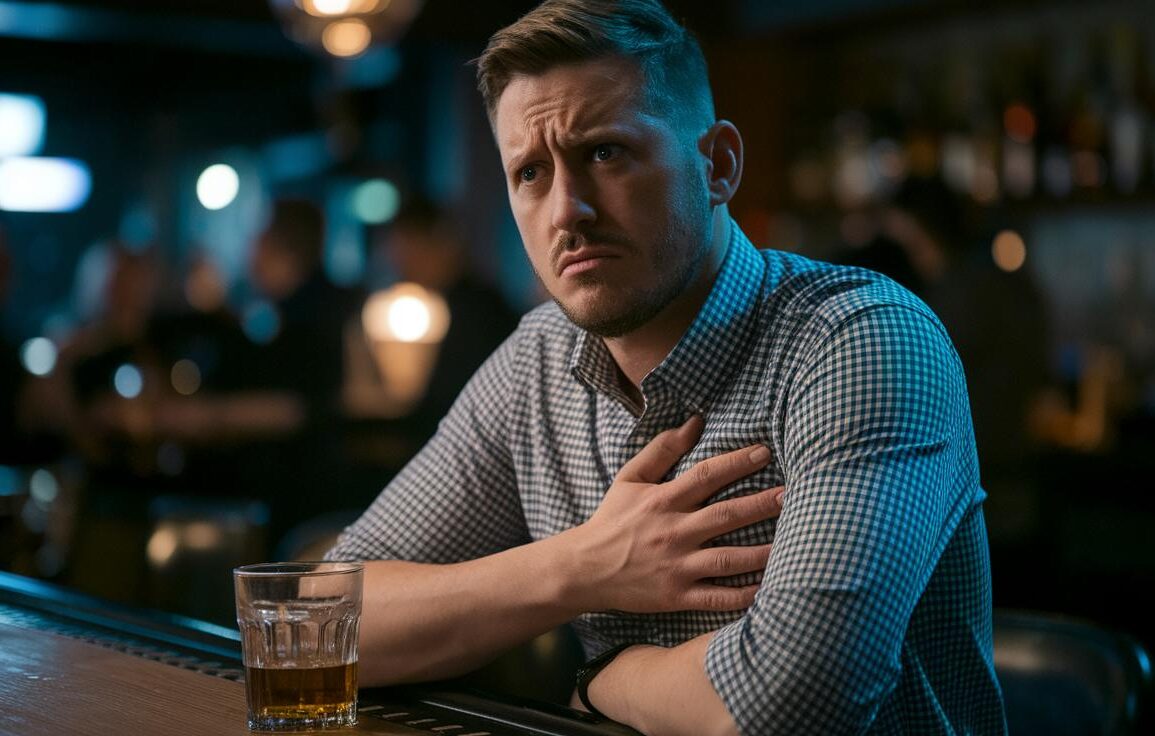
Have you ever felt your chest tighten after having a drink? It could be your body’s way of sending you a little alarm, whether it’s because of acid reflux (that burning feeling when stomach acid flows back up) or your heart struggling with alcohol. When you notice this kind of pain, it’s smart not to just brush it off. In this post, we chat about why you might feel chest pain after drinking and share some steps you can take to keep yourself safe. Stick with us to learn the warning signs that mean it might be a good time to see your doctor.
Immediate Medical Advice for Alcohol-Related Chest Pain

If you ever feel chest pain after having a drink, it could be your body's way of saying something's not right. That pain might come from acid reflux (a burning sensation when stomach acid irritates your throat), a sudden spike in blood pressure, or even a weakening of your heart muscle known as alcohol cardiomyopathy. Sometimes the pain might go away on its own, but if it keeps coming back or gets worse, it's smart to get it checked out by a doctor.
Watch out for these signs that mean you should seek help right away:
- Sudden, heavy pressure in your chest
- Trouble breathing or feeling like you can't catch your breath
- A fast or uneven heartbeat
- Pain moving into your shoulder or arm
- Feeling dizzy or like you might faint
These symptoms suggest that your body might be reacting strongly to alcohol. For example, feeling your heart race after drinking or having trouble breathing shouldn't be ignored. Even if something like antacids helps with acid reflux, they might only ease the pain for a little while if there's a deeper heart issue involved, like holiday heart syndrome. Mixing alcohol with other substances can make things even tougher on your heart, especially if you already have heart problems.
It’s important to act fast if these signs show up. If you feel sudden distress after drinking, with your heart pounding and chest hurting, make sure to get professional advice as soon as you can. Trust me, it's always better to be safe when your health is on the line.
Medical Causes Behind Alcohol-Triggered Chest Pain
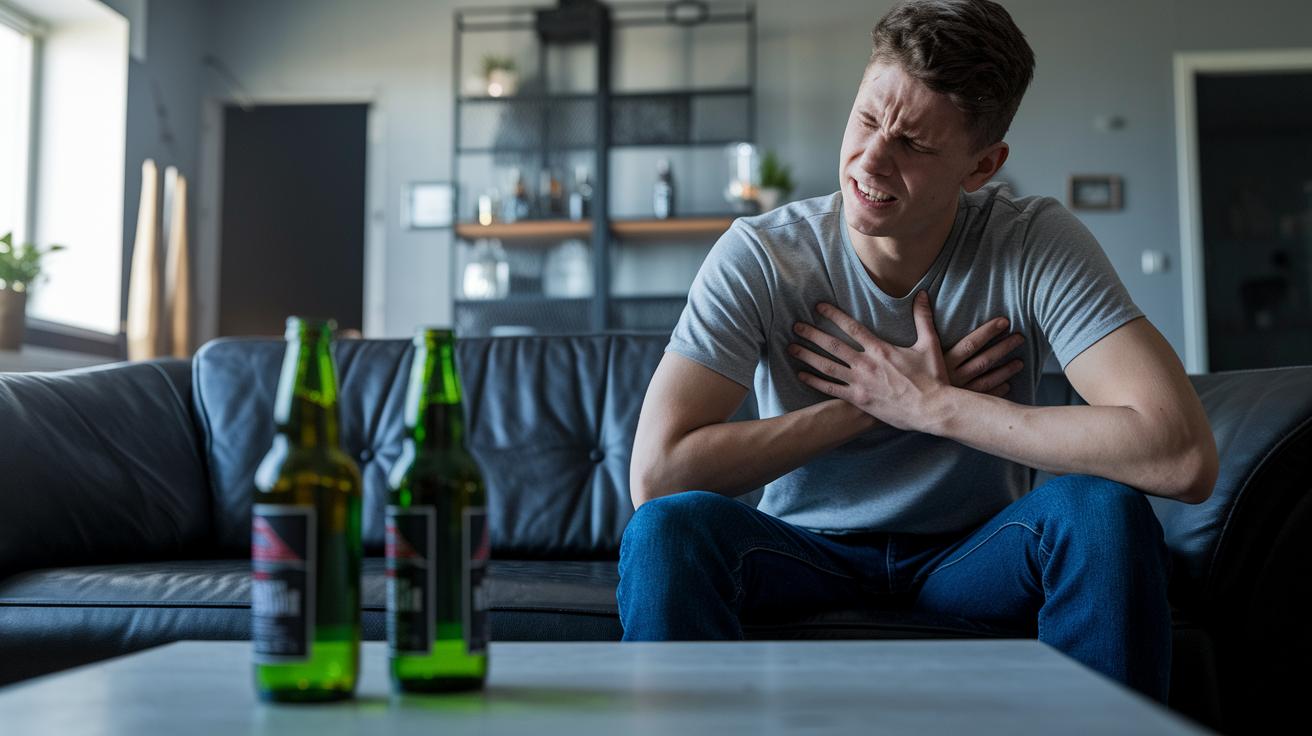
If you feel sudden tightness in your chest, find yourself short of breath, or notice a lasting pressure after drinking, it’s a good idea to check in with your doctor right away. These signs can mean your body isn’t handling the alcohol too well. Ever felt that quick, sharp pain after a night out? It might be your body’s way of saying, "Hey, get this checked!"
Sometimes, what feels like heart pain is actually acid reflux. When you drink, stomach acid can travel up into your esophagus and create a burning feeling. Plus, alcohol can cause a quick spike in blood pressure, which brings on chest tightness. Even brief high blood pressure can set off these symptoms, almost like your body is ringing an alarm at an ordinary moment.
Heavy or long-term drinking can also weaken your heart muscle, a condition called alcohol cardiomyopathy. This weak spot can mess with your heart’s rhythm, sometimes leading to irregular beats or what some call the holiday heart syndrome. Recent studies show that the extra stress on your heart during a heavy night of drinking can make that chest discomfort even worse.
Identifying Risk Factors and Warning Signs for Alcohol-Related Chest Pain
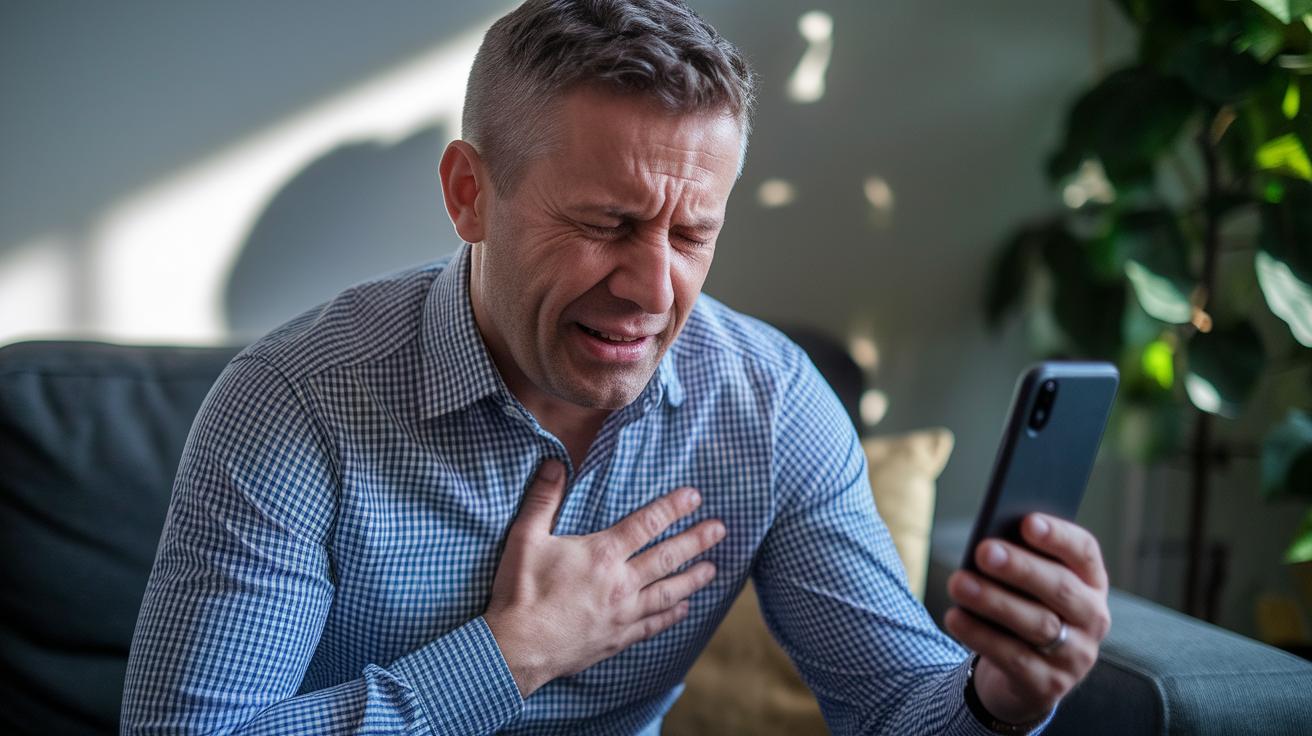
Researchers have noticed that some people feel chest pain after drinking, and certain numbers help point this out. About 30% of those who report chest pain with alcohol also mention having palpitations, compared to 15% in cases without heart issues. Imagine feeling a heavy pressure, like an 8 on a pain scale. That’s a signal that something isn’t quite right.
Your personal health history matters a lot here. If you have a history of heart troubles or mix alcohol with other substances, you’re almost twice as likely to see these signs. Often, alcohol-related chest pain comes with breathing difficulties or pain that spreads to your shoulder or arm. This helps set it apart from other, non-heart-related discomforts.
If the symptoms stick around, like a fast heartbeat or pain that lasts more than 15 minutes, that’s a big warning sign. Picture a situation where your chest pain and uneven heartbeats keep going even when you cut back on drinking. In truth, these persistent signs mean it’s time to get a professional checkup ASAP.
Preventive Measures and Actionable Steps for Alcohol-Induced Chest Pain

After a few drinks, lowering your chest discomfort can start with simple daily shifts. You might try tracking how much you drink and slowing your pace. This way, you won’t overwhelm your body, and you can avoid the acid reflux that sometimes brings on that tight chest feeling. Basic habits like having a glass of water between drinks or opting for beverages with less alcohol can help your heart feel a bit lighter.
Sometimes, when the ache is mild, natural remedies can offer a bit of relief. An over-the-counter antacid might ease the burn from acid reflux, and staying well-hydrated can help your body bounce back faster. Even a few deep, mindful breaths or a short stroll after drinking might help ease the tension. These simple steps can work wonders as your body adjusts after a night out.
If the chest pain sticks around or grows worse, it’s important to speak with a doctor right away. For anyone facing ongoing issues or if alcohol has become a regular challenge, you might need a more structured, medically supervised detox program like PHP or IOP. Keeping an eye on your heart health by noting any changes and discussing them with your doctor is key. A simple journal of your drinking habits and any symptoms can help you catch problems early and adjust your lifestyle to better protect your well-being.
Final Words
in the action, we explored how immediate medical advice can guide those facing chest pain after drinking alcohol. We broke down the causes, from acid reflux to heart-related issues, and highlighted clear warning signs like severe pressure and rapid heartbeats.
We talked through risk factors and preventive steps that help protect your well-being. Remember, even if the symptoms seem mild at first, vigilance matters, especially when chest pain after drinking alcohol signals a need for prompt care. Stay informed and take each step with confidence.