

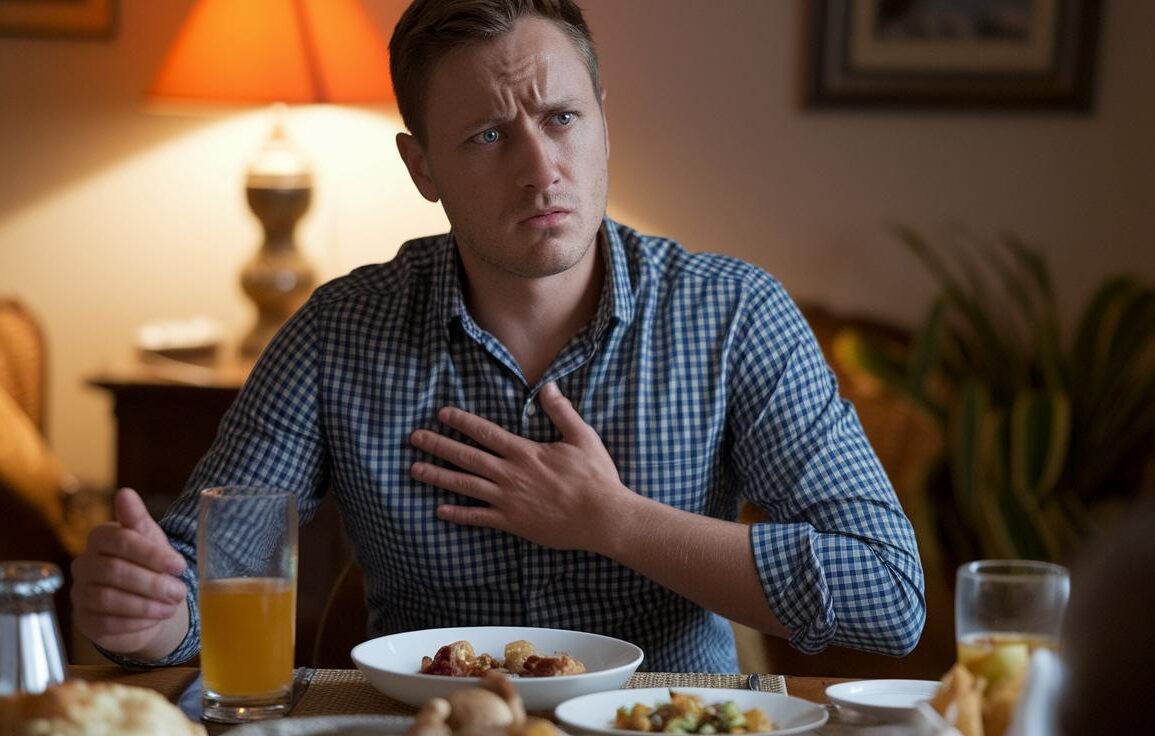
Ever wonder why your chest might hurt when you eat? You might feel a burning or heavy feeling that seems more than just a little upset. It can seem strange and a bit scary.
Maybe it's acid reflux (stomach acid flowing back into your esophagus) or something else. In this article, we’ll break down what might be causing that chest pain and offer some ideas to help you feel secure. Let’s piece together these clues and get to the bottom of it.
Understanding the Causes and Symptoms of Chest Pain While Eating
If you've ever felt chest pain when eating, it's not always just an upset stomach. A top chest doctor confirmed on 06-Jul-2024 that feeling a heavy or burning chest during meals might be more than just heartburn. It could be acid reflux (where stomach acid bothers your esophagus) or other issues that show up when you bite into your favorite foods, like spicy or fatty meals.
Even a little discomfort shouldn’t be brushed off if it keeps happening. There can be many reasons behind the pain, and they cover more than just the digestive system. Here are some common culprits:
- Acid reflux or GERD (a condition where stomach acid flows back into the esophagus)
- Esophageal spasms or other esophagus problems
- Peptic ulcers affecting the upper digestive tract
- Gallbladder or biliary issues that cause pain on the right side
- Heart-related problems, such as angina, which may show up as left-side pain
If these symptoms stick around, it's a good idea to see a doctor. They might run tests, like an endoscopy or imaging, to check if the discomfort is due to acid reflux or another condition. By catching the signs early, you can make smart changes to your lifestyle and treatments, keeping you safe and in tune with your body.
Differentiating Digestive from Cardiac Causes in Chest Pain While Eating
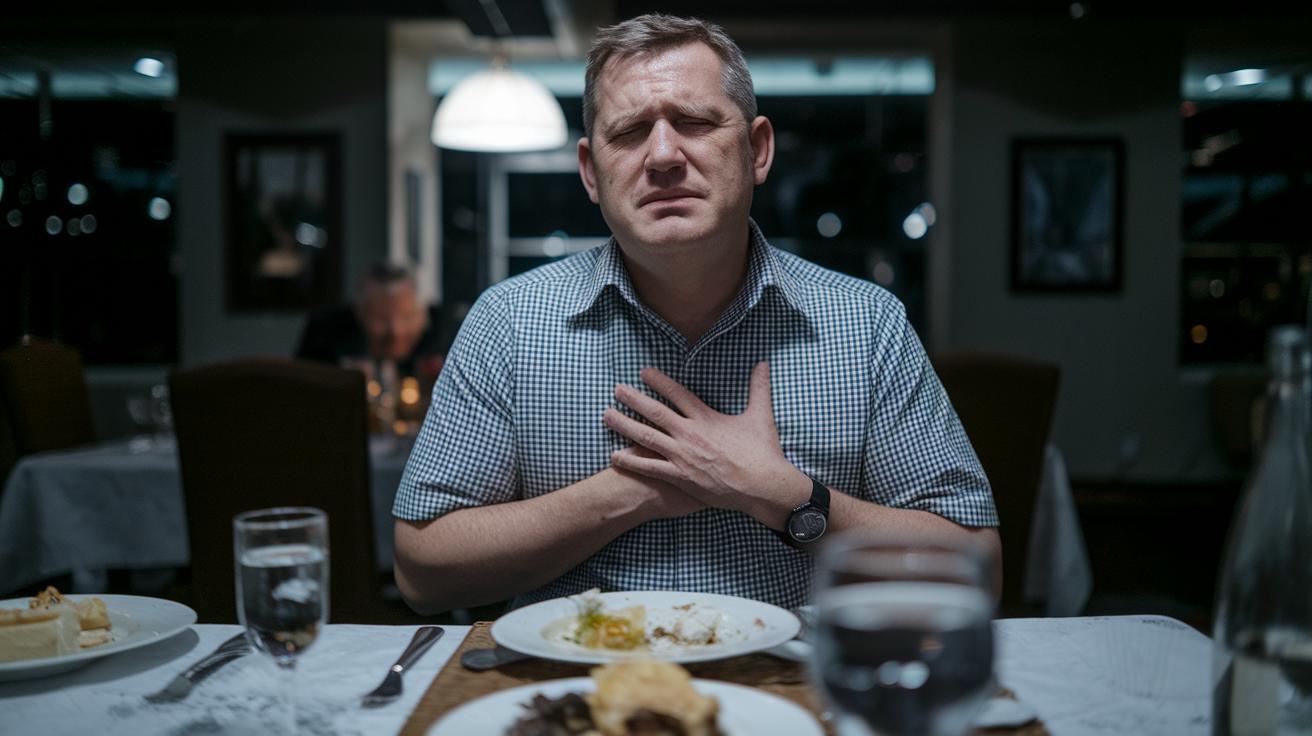
When you feel pain in your upper chest while eating, notice where it is and how it feels. A burning or squeezing sensation during meals might be acid reflux or a spasm in your esophagus. If the pain is on the left side, it might be a heart issue like angina. And if it’s more on the right side, it usually points to a digestive problem, such as gallbladder irritation. Paying attention to these little clues can really help doctors figure out what’s going on.
Doctors rely on tests to get a clear picture of the problem. For example, an EKG can check your heart and an endoscopy can look inside your stomach and esophagus. These tests help tell heart issues from stomach problems. Check out this table that lays out some key symptoms:
| Symptom | Typical Cause | Additional Notes |
|---|---|---|
| Burning Sensation | Acid reflux/GERD | Often happens after fatty or spicy foods |
| Sharp, Squeezing Pain | Esophageal Spasm | Can occur while swallowing |
| Left-Side Pressure | Angina | Usually comes with exertion or stress |
Noticing when the pain starts and how long it lasts is very important. Digestive pain often shows up right after you eat and fades as you digest your meal. On the other hand, heart-related pain, like angina, may pop up after you’re active or stressed and can linger a bit longer. By keeping an eye on these differences, you can get the right help at the right time.
Monitoring Symptoms and When to Seek Help for Chest Pain While Eating
If you notice chest pain while eating that just won't go away or comes with other worrying signs, it might be time to take it seriously. Even if the hurt seems mild at first, signs like trouble swallowing or a burning feeling could mean you need a closer look. Sure, a little irritation here and there can be normal, but if it sticks around or changes how you feel, it's a good idea to get it checked out.
Watch for these warning signs:
- Intense chest tightness that lasts more than a few minutes
- Pain spreading to your arms, jaw, or neck
- Feeling short of breath or dizzy without a clear reason
- Pain that comes back again even after making simple lifestyle changes
Paying attention to these details can help prevent bigger health issues down the line. If you see any of these signs pop up, reach out to a doctor right away. Keeping a brief record of when the pain happens, how strong it is, and any other symptoms can really help your doctor figure out what's going on and guide you toward feeling better.
Effective Management and Lifestyle Adjustments for Chest Pain While Eating
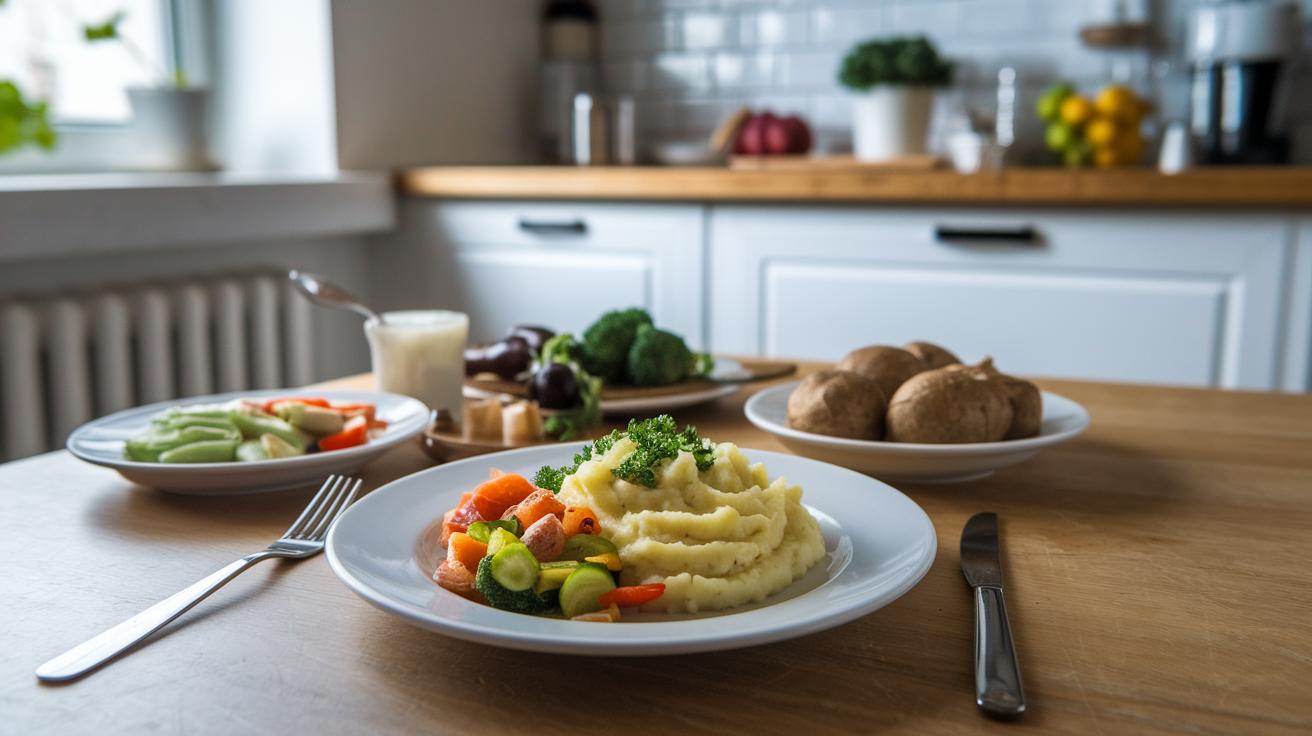
When you experience chest pain while eating, a few smart tweaks to your diet can really make a difference. Experts recommend easing into new eating habits by gradually cutting back on foods known to trigger acid reflux, like spicy, fatty, or citrusy items. This shift can actually turn your mealtime into a more pleasant experience. Try swapping your usual large meal for several smaller ones to ease the pressure on your digestive system. And if swallowing becomes an issue, consider a soft diet, like mashed fruits or tender, well-cooked veggies, that works almost like upgrading your device for smoother performance.
Your everyday habits play a big role too. After you eat, try to sit up for at least thirty minutes instead of lying down right away. This little change helps keep stomach acid from creeping into your esophagus, where it can cause pain. A small tip: slowly reducing your portion sizes can also bring relief without taking away the joy of a good meal, much like a tiny adjustment on your screen can boost clarity.
Of course, it’s always smart to work with a healthcare pro for long-term relief. While these lifestyle tweaks may reduce symptoms, a doctor can help make sure you’re addressing the real cause. If medicines like proton pump inhibitors (drugs that lower your stomach’s acid production) aren’t enough, your doctor might suggest other strategies tailored just for you. That partnership can give you the confidence to manage your symptoms and get back to enjoying your meals safely.
Diagnosis and Comprehensive Treatment Options for Chest Pain While Eating

Doctors use several tests to figure out why your chest hurts when you eat. They might use an endoscopy (a tiny camera to check inside your body), an EKG (a simple test to see how your heart is doing), an ultrasound (which makes pictures with sound), and blood tests. These tests help tell if your pain might be coming from something like GERD (acid reflux causing discomfort) or another non-heart issue. When changes in your routine don’t help, doctors usually recommend a full evaluation.
They often start by asking about your eating habits and your daily lifestyle. Then they run tests that focus on pain during meals. If your discomfort sticks around or gets worse, your doctor might suggest more tests. Treatment options include medications like antacids and proton pump inhibitors, as well as advice on lifestyle and diet changes.
Sometimes, even with these changes, the pain can continue. In these cases, knowing exactly what’s causing the pain helps doctors rule out any serious issues. Whether it means switching up how you eat or starting on some medications, the aim is to ease your discomfort and let you enjoy meals without worry. Your treatment plan will be based on a careful look at your symptoms and test results, making sure the plan is just right for you.
Final Words
In the action of exploring chest pain while eating, we examined its causes, from acid reflux to esophageal issues, and highlighted clear signs to monitor. We walked through quick ways to tell symptoms apart and shared practical tips for managing discomfort with simple lifestyle adjustments.
We also looked at the tests and treatment options available when basic steps aren’t enough. The journey through diagnosis and treatment reminds us that a mindful approach can make a real difference. Stay proactive and positive on your path to better health.
FAQ
What causes chest pain while eating, especially when swallowing or feeling a lump in the throat?
The chest pain you feel when eating or swallowing can stem from issues like acid reflux, esophageal spasms, or even heart problems. This discomfort suggests a need to review your symptoms with a doctor.
How can I ease chest pain when swallowing or after eating?
Easing chest pain during meals might involve avoiding trigger foods, eating smaller portions, and keeping upright after eating. Persistent discomfort should always be checked by a healthcare professional.
How do I know if my chest pain is heart-related or linked to swallowing issues?
The chest pain’s location and the presence of symptoms like shortness of breath help indicate if it’s heart-related or from swallowing issues. Tests like EKGs or imaging can clarify the cause.
What does it mean if I feel pain behind my sternum or when breathing deeply during meals?
When pain occurs behind your sternum or with deep breaths during meals, it could come from esophageal spasms, GERD, or heart-related causes. Monitoring your symptoms and seeking medical advice is essential.