


Ever wonder how a small pill can work wonders for your heart? When chest pain strikes, nitroglycerin (a medicine that helps open your blood vessels) kicks in fast, letting blood flow more easily.
In this article, we share easy tips on using nitroglycerin safely during those stressful moments. You'll see different forms, like tablets and sprays, that can quickly ease heart discomfort. Stick with us to learn simple ways to manage chest pain and keep your heart steady.
chest pain and nitroglycerin: Fast Heart Relief
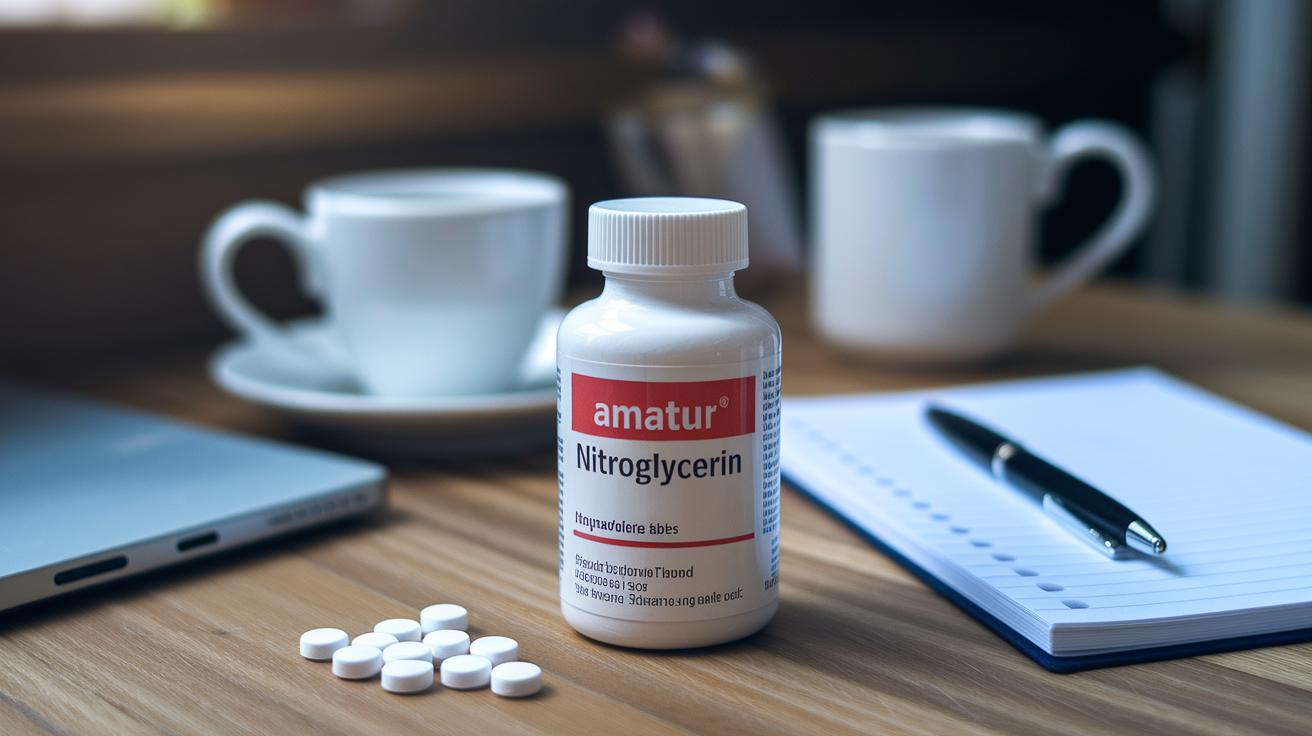
Nitroglycerin works by widening your coronary arteries so more blood reaches the heart muscle. It comes in many forms – like tablets you place under your tongue, patches, sprays, or even IV infusions – to quickly ease heart pain when you first notice discomfort or before you do activities that might trigger angina. Doctors always remind us to use it correctly because using it continuously for too many hours can actually make a heart attack worse.
When you take nitroglycerin at the right time, relief can come fast. Here are some easy tips:
- Take it as soon as you sense chest pain.
- Use it 5–10 minutes before activities known to trigger angina.
- Choose the fast-acting forms for immediate benefits.
- Stick to the prescribed dose to prevent side effects like headaches or low blood pressure.
- Always use it under a healthcare professional’s guidance.
By properly timing your dose, nitroglycerin not only eases the pain from angina but also helps delay more serious complications. It dilates your blood vessels, allowing extra oxygen-rich blood to ease the heart’s workload. That said, be cautious, if not taken correctly, you might feel dizzy or notice a drop in blood pressure. Keeping a clear schedule and following your doctor’s instructions is key to safely managing chest pain with nitroglycerin.
Nitroglycerin Mechanism and Dosing Guidelines for Chest Pain Relief

Doctors pick the right nitroglycerin form based on each patient’s needs. Sublingual tablets work fast to ease chest pain, but you need to wait about 5 minutes between doses. This pause gives the body time to absorb the medicine and helps keep blood pressure steady, especially if a patient’s heart is sensitive.
Different forms serve different situations. Aerosol sprays give a quick burst of relief when chest pain strikes suddenly, while patches let the medicine work slowly throughout the day. In hospitals, IV infusions are the go-to for tight monitoring and careful dose tweaks when needed.
It’s important to follow the guidelines for each form. For example, if symptoms come and go, spacing out doses can help prevent any sudden drops in blood pressure.
| Formulation | Dosage Frequency | Notes |
|---|---|---|
| Sublingual Tablet | Taken at onset, wait 5 minutes | Fast relief; the pause helps maintain stable blood pressure |
| Aerosol Spray | Single spray as needed | Quick action for sudden chest pain |
| Patch | Apply continuously, change every 8 hours | Slow release for ongoing symptom control |
| IV Infusion | Administered in hospital, as per protocol | Used under careful monitoring for precise control |
Safety Considerations and Side Effects in Nitroglycerin Use for Chest Pain

Nitroglycerin is great at relaxing blood vessels quickly, which helps ease chest pain. But using it correctly is super important. If you're using medicine for erectile dysfunction, be extra careful because there could be interactions. I once noted, "After my dose, I experienced a brief headache that faded in 15 minutes," so keeping a casual record of how you feel can really help.
Taking doses too close together or missing the right timing can really mess with your blood pressure. A simple log of when you take your dose and how you feel, like noting, "I felt lightheaded an hour after dosing", can be the key to tweaking your treatment safely.
Common side effects include headaches, dizziness, and low blood pressure. If you notice anything odd, let your doctor know right away. Combining these tips with your usual dosing routine makes it easier to stay on track and safe.
Emergency Administration Strategies for Chest Pain Using Nitroglycerin

When chest pain hits, every second counts. First responders are on it, quickly checking your condition and helping you take nitroglycerin right then and there. One patient shared, "I took the tablet myself while the paramedic guided my next steps." That shows real teamwork in action.
These days, patients get clear steps to take nitroglycerin by themselves while help is on the way. It means you start treatment early even as the emergency crew readies your next move. Imagine a responder saying, "Take your tablet and stay calm, we're keeping an eye on you." It highlights how smart self-care, with expert backup, can really make a difference.
The plan goes on, too. Emergency teams stay in touch as you’re moved to a hospital for further care. They’re trained to tweak treatment on the fly while you’re being monitored. It’s all about clear steps, smooth teamwork, and fast action to tackle chest pain head-on.
Special Considerations in Nitroglycerin Use: Contraindications and Drug Interactions

Patients with certain health issues need to be extra careful when using nitroglycerin. If you struggle with really low blood pressure or have had a recent heart problem, you should talk with your doctor before using it. Your doctor will check your medical history in detail. I even recall someone saying, "My doctor reviewed my record in detail before recommending any nitrate therapy," which shows just how important that check is.
Nitroglycerin can also clash with other medications. It might interact with drugs for high blood pressure or erectile dysfunction, leading to a sudden drop in blood pressure or unexpected side effects. Imagine someone saying, "I felt dizzy after mixing my medication without proper guidance." That story reminds us why doctors need to carefully compare your medicines before adding nitroglycerin.
Before starting nitroglycerin, a detailed look at your unique health background is a must. Doctors work closely with you to see if nitrate therapy fits safely with your other treatments. This careful matching helps shield you from unwanted side effects while keeping your overall health steady. Regular check-ins and small adjustments ensure that nitroglycerin not only eases chest pain but also works in the safest way possible.
Final Words
In the action, we broke down nitroglycerin’s role from fast-acting sublingual tablets to hospital IV infusions for managing chest pain. We covered clear dosage steps, safety cues, and careful monitoring tips to help guide proper use during emergencies.
We also outlined risks, contraindications, and the importance of professional oversight. Using chest pain and nitroglycerin effectively can lead to smooth, secure relief while keeping health in check. Every careful step adds up to more confident, safer care.
FAQ
Q: If nitroglycerin works, is it a heart attack?
A: Saying nitroglycerin works means it relieved your chest pain by widening your blood vessels—it does not automatically indicate a heart attack. Persistent pain should always be checked by a doctor.
Q: What is the recommended dosage for nitroglycerin in chest pain relief?
A: The appropriate dose depends on the formulation, but fast-acting forms are used at pain onset with instructions to wait about five minutes between doses. Always follow your doctor’s specific advice.
Q: What are the common side effects and contraindications of nitroglycerin?
A: Nitroglycerin side effects, such as headaches, dizziness, and low blood pressure, are common. It should not be used by those with severe low blood pressure or on certain medications like erectile dysfunction pills.
Q: How does nitroglycerin work to relieve chest pain?
A: Nitroglycerin works by relaxing the smooth muscle in your coronary arteries, which increases blood flow to the heart and quickly relieves angina-related chest pain.
Q: What does it mean if nitroglycerin relieves chest pain?
A: When nitroglycerin relieves chest pain, it suggests the pain is likely due to angina caused by reduced blood flow to the heart, though any chest discomfort should be medically evaluated.
Q: When and how should I take nitroglycerin for immediate chest pain relief?
A: Take nitroglycerin at the first sign of chest pain or before activities that trigger symptoms, using fast-acting forms under the tongue for rapid absorption as directed by your healthcare provider.
Q: When is chest pain not a heart attack?
A: Chest pain that improves with nitroglycerin is often angina, which is not the same as a heart attack. However, any chest pain must be evaluated by a doctor to rule out more serious issues.