



Have you ever thought your watch could do more than just show the time? Today’s wearable gadgets can help you take better care of your health. These small devices, like smartwatches and fitness bands, keep track of your steps, your heart rate (how fast your heart beats), and even your sleep.
They work just like a friendly coach, giving you real-time tips based on what your body is doing. In this article, we explore some cool new ideas and explain how these tools can make it simple to monitor your health and fine-tune your daily routine.
Comprehensive Overview of Wearable Technology
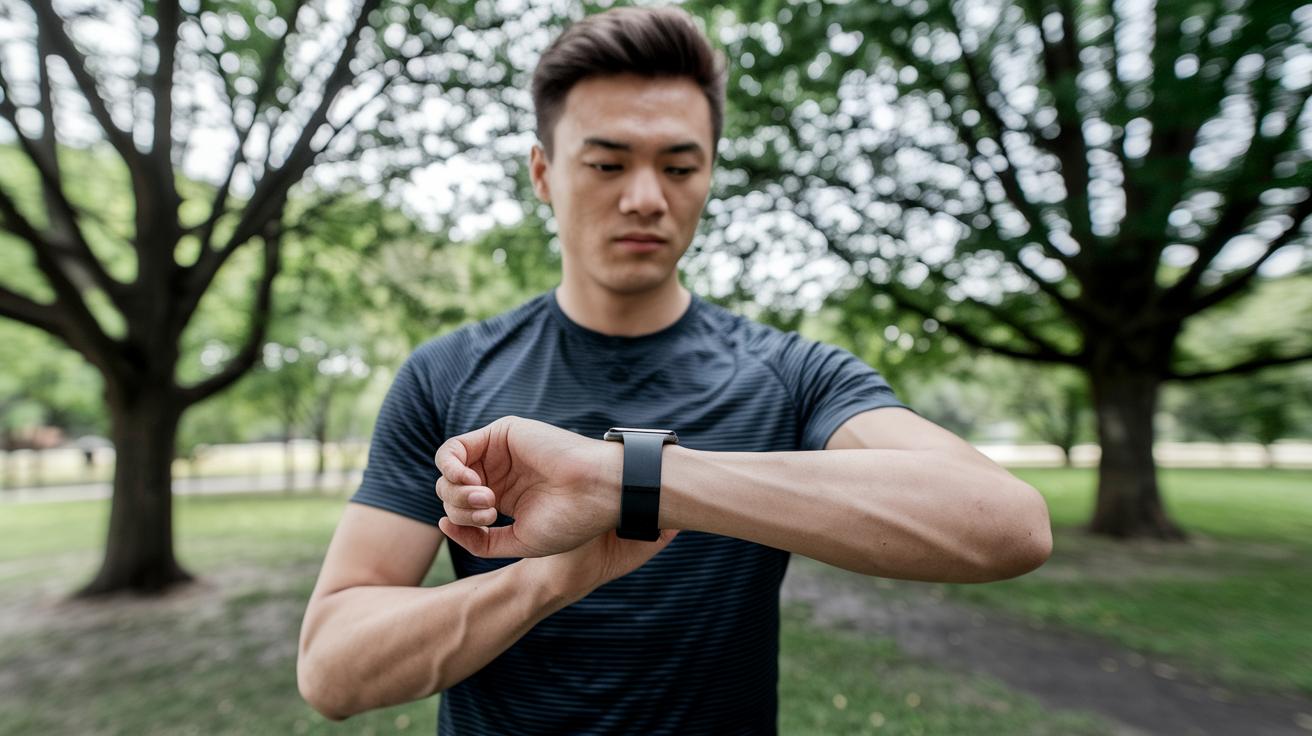
Wearable technology means small electronic devices that you wear on your body, on your clothing, or even have implanted. These gadgets, like smartwatches, fitness bands, and phone pedometers, use built-in sensors to check how you move and even how your body works. For instance, an accelerometer (a sensor that notices changes in motion) tracks your movements while an optical sensor (one that uses light to measure your pulse) watches your heart beat. This data can really help you manage ongoing health issues and adjust your daily activities.
Today’s devices include smart health sensors that capture important body signals. They let you see easy-to-understand trends in your well-being and help your doctor keep an eye on you, too. With so many fitness trackers becoming popular, lots of people can now check their daily activity, get warnings if something seems off, and tweak their wellness routines with little hassle.
- Step Counting
- Heart Rate Monitoring
- Fall Detection
- Sleep Tracking
- Recovery Metrics
Learn more: wearable tech for health
These devices give clear, measurable details that help you take charge of your health. The sensor information can show small changes that might mean you should get professional advice, and they can help you create a personal fitness plan. Whether you want to increase your steps, manage tiredness, or prepare for a workout, these wearables give you the facts you need to decide the best way forward for a healthier life.
Wearable Technology Device Types and Examples
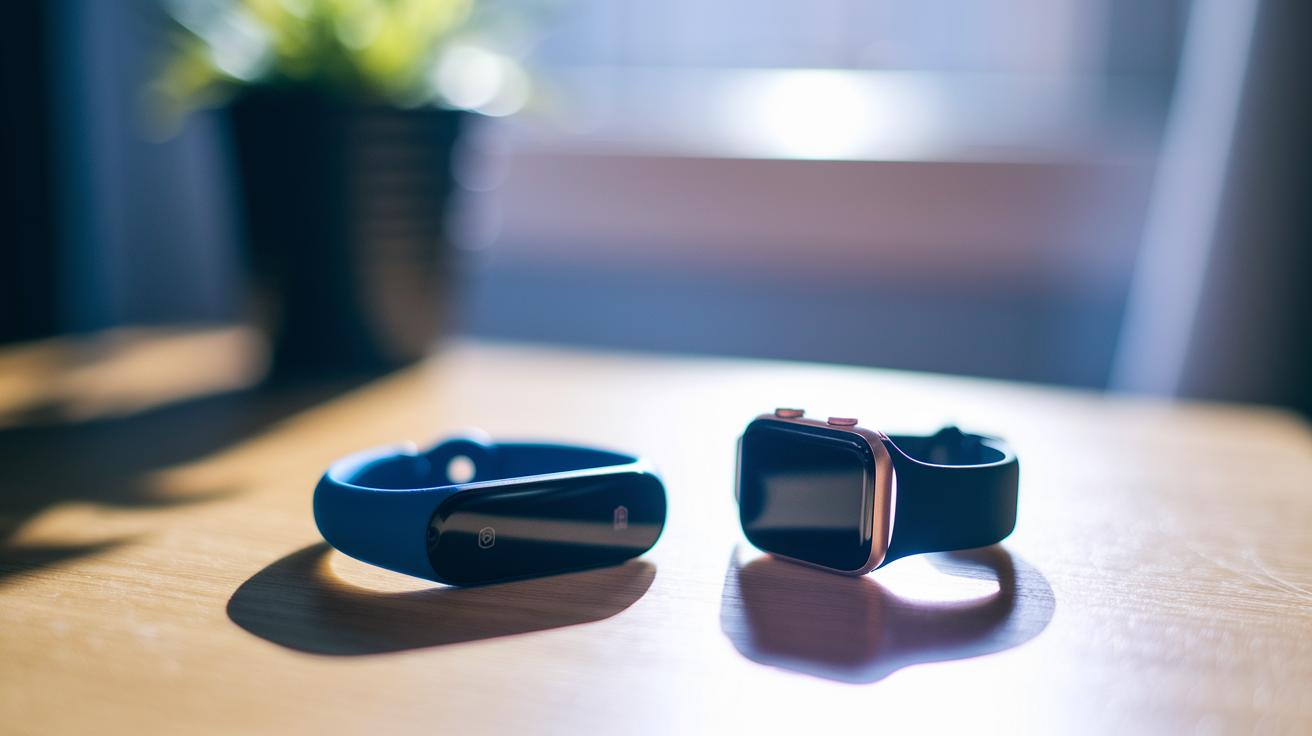
Wearable technology can make keeping an eye on your health feel almost like having a friendly coach on your wrist. These devices come in different families, each designed to help you see your daily activity in simple, practical ways. Think about it: long before smartwatches took over, basic fitness bands were already stepping in to track your steps and heart rate, making daily health checks possible.
| Device Type | Primary Sensors | Typical Use |
|---|---|---|
| Fitness Band | Pedometer, basic heart rate | Tracks steps and basic activity |
| Smartwatch | Heart rate variability, blood pressure | Monitors cardiovascular performance |
| Smart Garment | Fabric-embedded sensors for posture, movement | Enhances workout form and tracks movement |
| AR Eyewear | Interactive optical displays | Delivers real-time visual data during activities |
| Fall Detector | Accelerometers for impact | Detects falls and alerts emergency contacts |
| Sleep Monitor | Motion and pulse sensors | Evaluates sleep quality and duration |
Choosing the right wearable device is a matter of matching its features to your personal health goals. If you want an easy way to track your daily steps, a fitness band might be just the ticket. On the other hand, if you're after detailed performance insights and real-time feedback, you could try a smart garment or AR eyewear. Have you ever checked how even a small change in your routine can brighten up your day? These devices not only keep track of your health but also encourage you to take little steps toward feeling better every day.
Wearable Technology Health Benefits and Performance Metrics
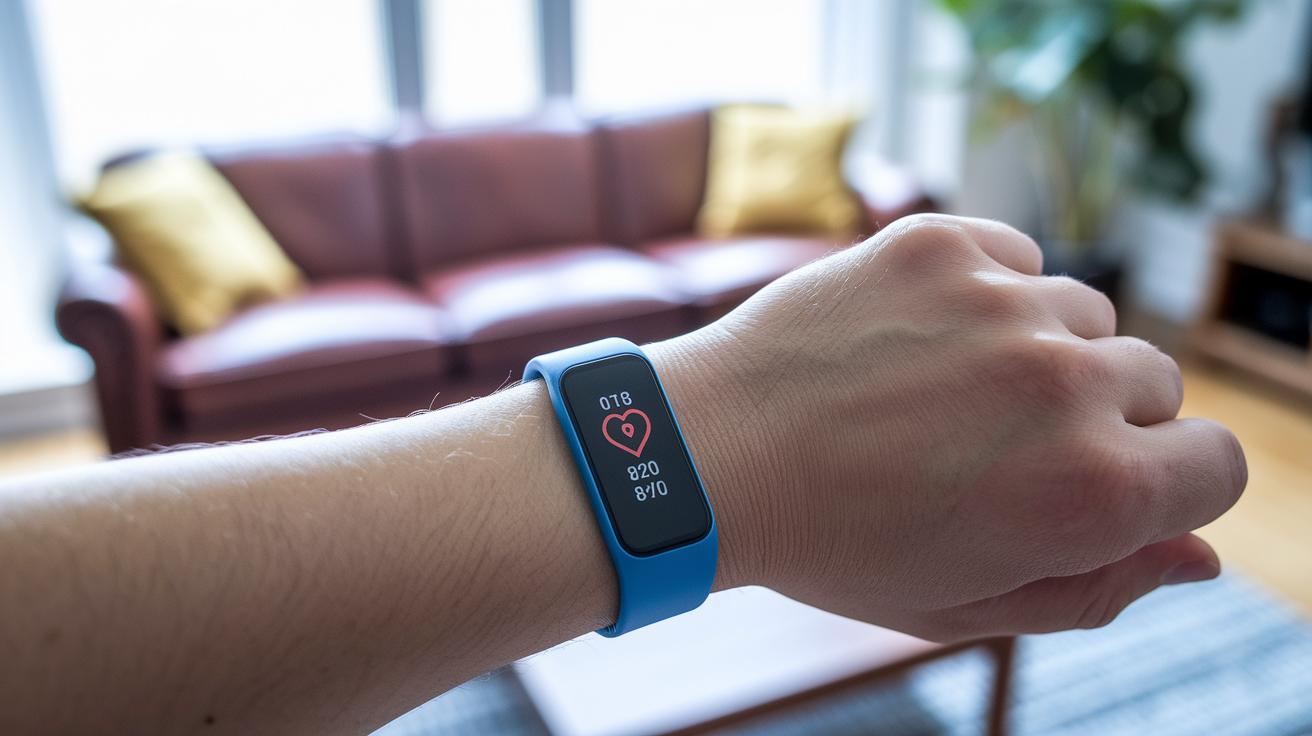
Modern wearables do more than just check your heart rate. They come with cool features like continuous ECG monitors that carefully watch your heart’s rhythm and notice even the smallest changes during different workouts. For example, you might find that your heart beats faster during a sprint and takes a while to slow down afterward. This kind of detail can help you plan when to push hard and when to take a breather.
Weight tracking has gotten much smarter too. Today’s devices can log both your exercise and what you eat, giving you a clear picture of your daily habits. Research shows that people who record both their workouts and meals tend to lose twice as much weight as those who don’t. In simple terms, keeping track of your food and activity can lead to smarter eating and better results.
Some gadgets even offer insights about how well you recover after exercise. They measure things like how quickly your heart rate returns to normal and any changes in your oxygen levels while you work out. This information helps you understand if your body is bouncing back the way it should. One runner even mentioned that by tweaking her pace based on what her device told her, she was able to boost her performance significantly.
Emerging Trends in Wearable Technology
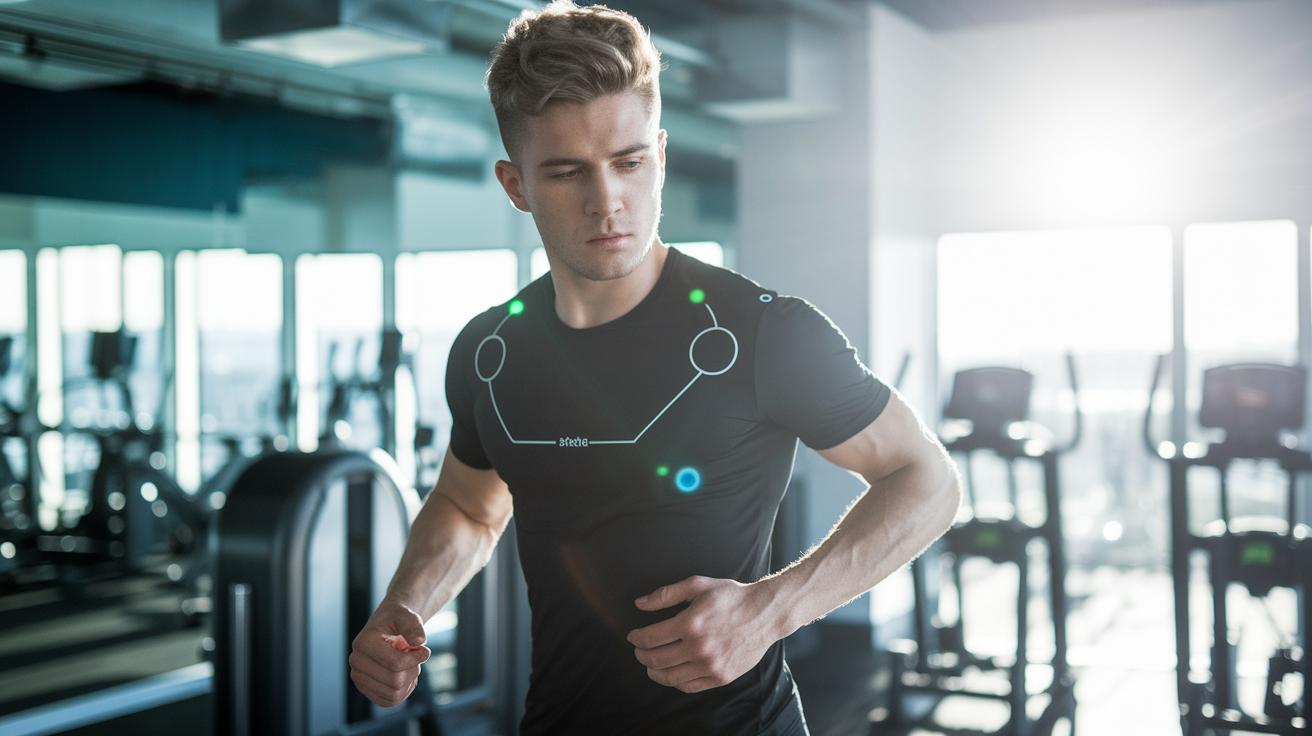
Today, smart fabrics are changing the way wearable devices work. Imagine a pair of yoga pants that give you a gentle buzz to help improve your posture while you exercise, kind of like the Nadi X Yoga Pants with built-in haptic feedback that guides you. Modern clothes now come with tiny sensors that send movement data straight to your phone. This means your gear can track everything from how you move to how hard your muscles work during your workout. Even more, cloud-connected devices collect data from several wearables to give you a full picture of your health. This collected info not only helps you understand your workout better, but it also lets health experts keep an eye on your progress in real time. If you’re curious, you can explore more about digital health tech at HealthyFax.
There’s a growing trend for devices that easily connect over the cloud. With the latest fitness gadgets, old limits just fade away. New low-power electronics and sensors that gather energy naturally mean these wearables can last longer without needing a charge. Manufacturers are designing products that automatically sync and analyze how you’re doing. This way, you don’t have to spend time moving data around, letting you focus on your exercise instead of tech troubles.
And then there’s AR eyewear. These smart visors are becoming popular by giving real-time feedback during sports or training sessions. Plus, they use energy-harvesting technology to keep running all day.
Choosing and Using Wearable Technology
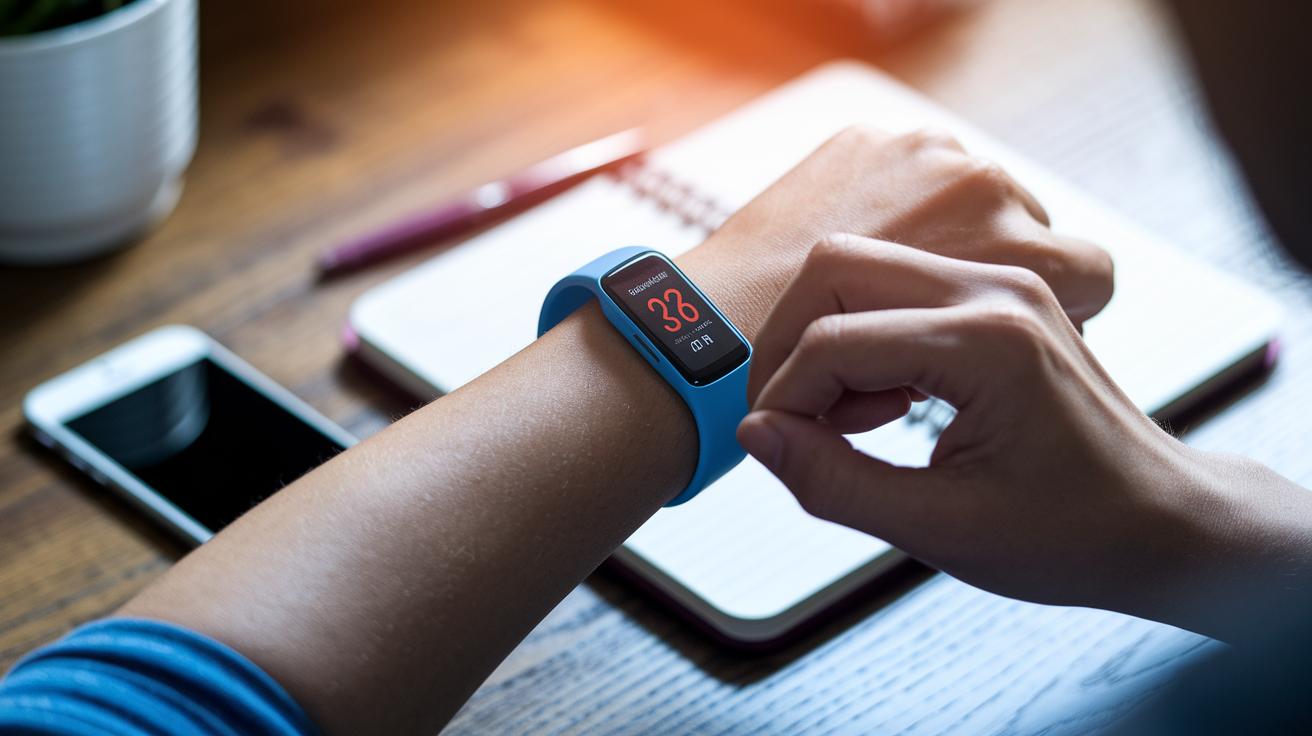
When picking a wearable, look for things like accurate sensors, a strong battery, and an app that works on your phone without any hassle. It’s a good idea to chat with your doctor before making health decisions based on a device, and if you’re keeping an eye on a long-term condition, choose one that’s FDA-approved.
Connecting your wearable to a mobile app makes it really simple to track your progress throughout the day. These apps turn basic numbers into easy health tips, like noticing your heart rate trends or seeing how many steps you take. That kind of instant feedback can nudge you to take a short break or keep up a brisk pace during a workout.
Also, take some time to check the privacy settings and data-sharing options. Reliable gadgets come with secure wireless connections to help keep your health details safe. Adjust the app permissions so you’re in control of what gets shared and with whom. This way, you enjoy all the benefits of real-time health insights without worrying about your personal information.
Wearable Technology Market Landscape and Key Companies
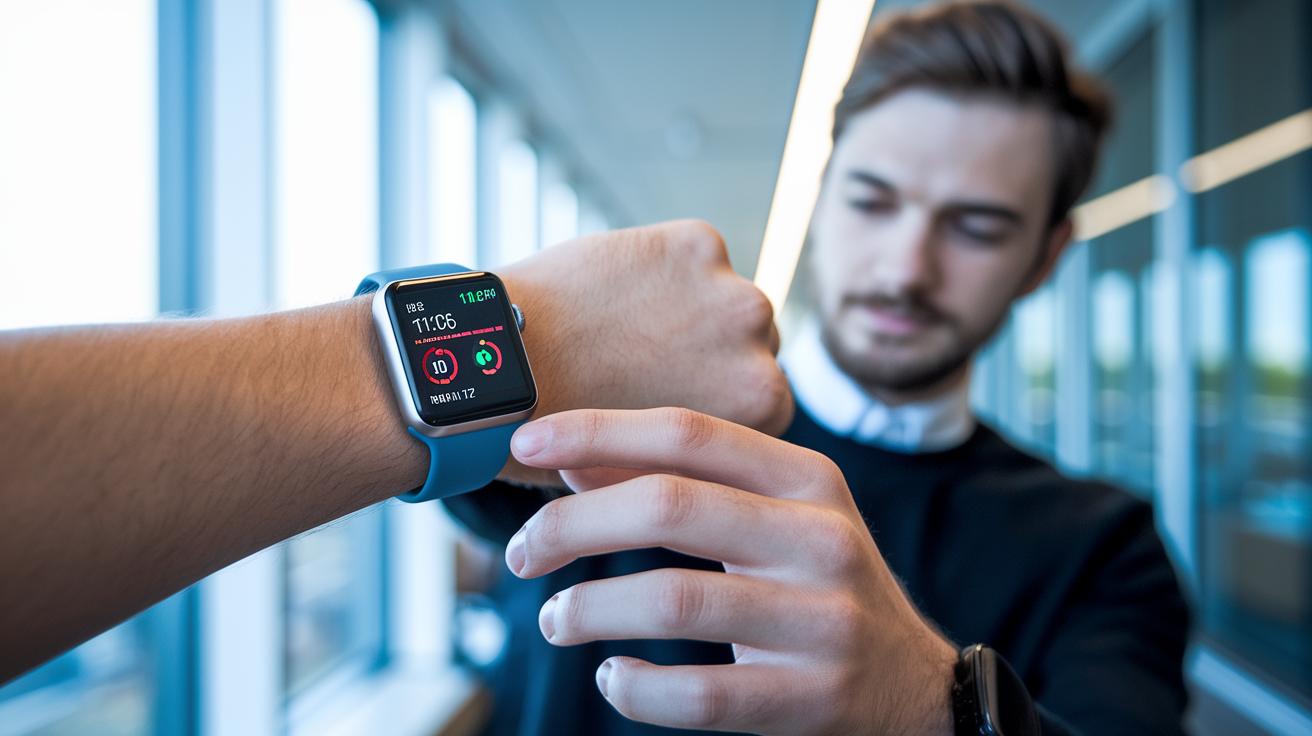
The wearable tech market is booming, driven by growing fitness trends and a rising need for health and work-related monitoring. More people are using devices like smartwatches and remote patient monitors, not just to track their daily activity but also to keep an eye on their health in simple, real-time ways.
Big consumer brands have raised the bar with stylish and smart designs. Think of the Apple Watch and Google Glass, they blend sleek looks with sensors that measure heart rate and daily movement. Catapult, known for its all-in-one sports tracking, shows how wearables can give athletes real-time data to boost performance. Meanwhile, traditional medical companies are now adding remote patient monitoring into their devices. This means that doctors and nurses can watch patients more closely and spot potential health issues early, thanks to trustworthy sensor data and constant monitoring.
New startups are shaking things up too. They’re introducing clever features that expand on what early leaders like Fitbit began. Remember when Fitbit surprised everyone by selling over 25,000 units when only 50 were expected? That's the kind of innovation driving the market. Fresh companies are bringing smart sensors and unique design ideas to the table, attracting investors as the global market continues to grow and change.
Future Outlook for Wearable Technology in Workplaces and Industries
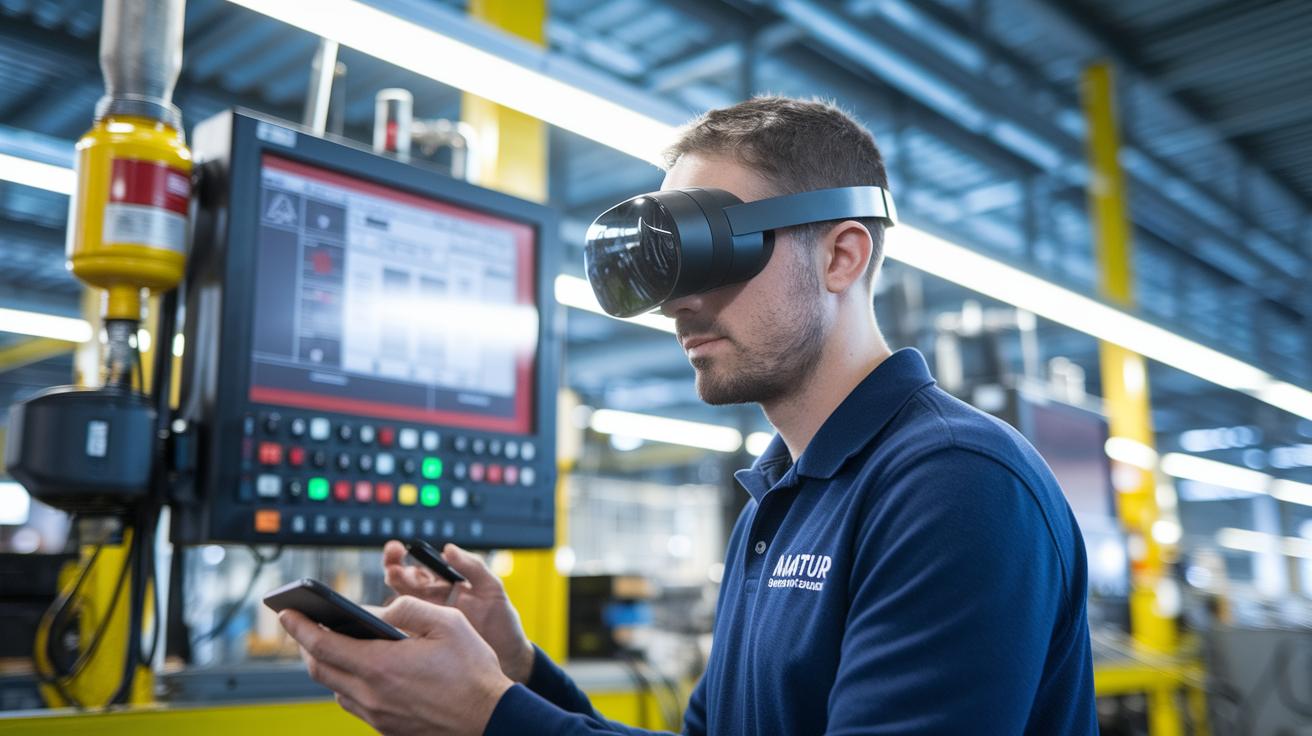
Wearable devices are changing how we keep our workplaces safe. In many factories, workers now use health trackers to watch their vital signs and how hard they’re working. And with AR headsets, they can work safely without needing to hold anything. IoT systems help too by watching remote equipment and sending real-time data so supervisors can spot hazards quickly. This means companies can catch risks before they turn into injuries, making work sites safer.
Wearable tech is also helping us take care of our well-being at work. Devices now mix activity tracking with tools that keep an eye on stress, posture, and overall health. Smart sensors collect everyday data, which can remind you to take a break or adjust your desk for extra comfort. When these gadgets join forces with digital work platforms, they not only boost productivity but also support long-term health, blending personal wellness and company safety goals.
Looking ahead, wearable tech is set to team up even more with IT systems in the workplace. This closer connection will create a more integrated environment, where data flows smoothly from your wearable devices to IT networks. This smooth flow can help automate safety checks and make operations smarter and more responsive.
Final Words
In the action, this article showcased how sensor wearables improve our daily health routines. Key points covered smart health sensors, fitness trackers, and advanced device types that monitor heart rate, sleep, and more. We explored current trends, market insights, and practical tips for choosing reliable tech that fits everyday needs. Wearable technology empowers you with real-time insights while guiding healthier habits. Enjoy making those small changes that lead to a happier, healthier you.
FAQ
What is wearable technology?
The wearable technology means devices you wear on your body or attach to clothing. It collects real-time data using sensors to track your activity and health, offering insights to both users and health providers.
What are some examples of wearable technology?
Some examples of wearable tech include fitness bands, smartwatches, smart clothing with embedded sensors, AR eyewear, and fall detectors. These devices monitor steps, heart rate, sleep, and more.
How does wearable technology work in healthcare?
Wearable technology in healthcare tracks vital signs like heart rate, sleep patterns, and even detects falls. This data helps manage chronic conditions and offers timely health insights for both users and doctors.
What is the most popular wearable technology?
The most popular wearable technology is the smartwatch. It displays health data, fitness stats, and notifications while seamlessly syncing with mobile apps and devices.
How is wearable technology used in sports and fitness?
Wearable devices in sports and fitness monitor performance through metrics like heart rate, movement, and recovery. This information guides workouts and helps athletes improve safely.


