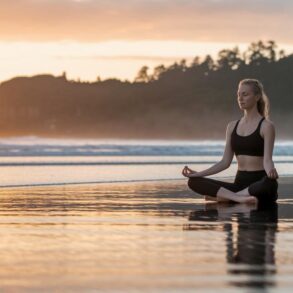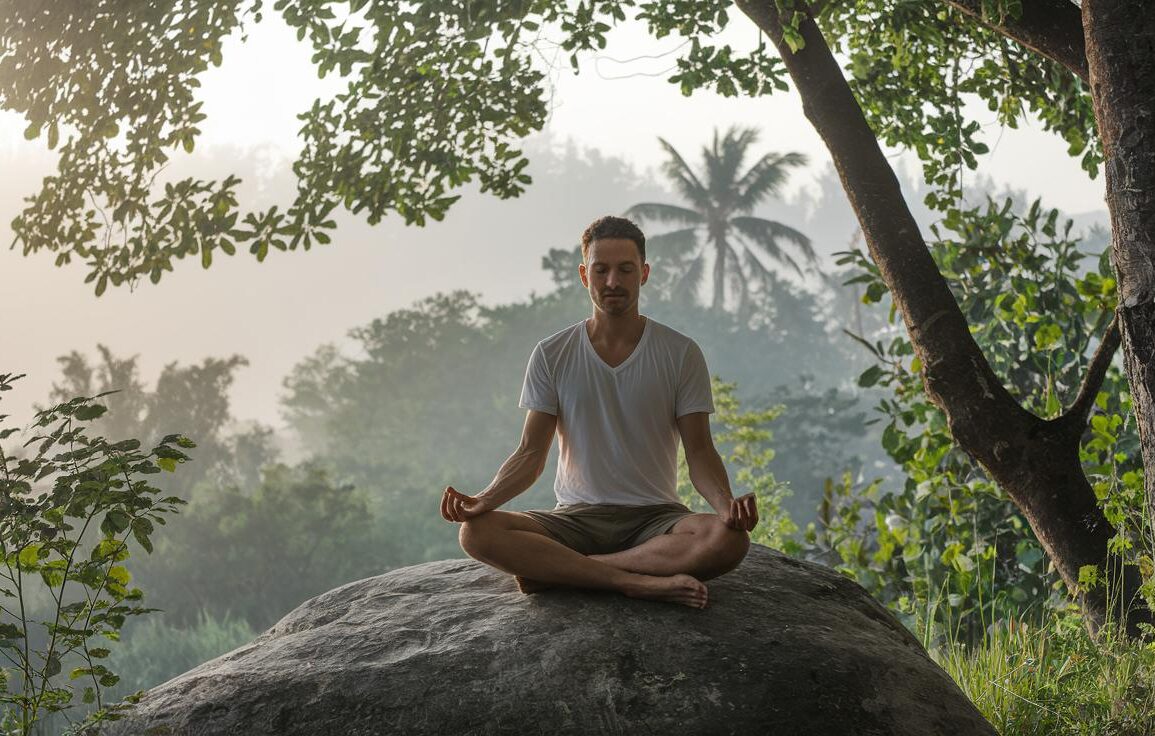
Ever think that turning off your screen might bring real calm? We’re so used to staring at phones all day that even a short walk outside feels like a brave act against digital overload. Imagine a quiet park where you can hear birds and rustling leaves instead of non-stop buzzes. Nature shows us that a simple break outdoors can ease stress and clear your mind. Taking time to be mindful outside might just help you find a little balance in our hectic lives.
Mindfulness in the Outdoors: Sensory Techniques for Immediate Practice

Mindfulness outdoors means tuning in fully to what’s around you. Imagine stepping away from endless screen time, over 4.2 hours some folks spend on their phones, and feeling the real world with all your senses. It’s like letting your thoughts drift past softly, much like clouds on a sunny day.
There are simple ways to bring this feeling to life. For example, try mindful walking. Pay attention to how your feet hit the ground, maybe even notice the cool grass beneath you. You can also spend a few moments just listening, hear the birds chatting or the leaves rustling gently in the wind. Another idea is to jot down little details in a nature journal, capturing what makes your outdoor spot unique. Even just glancing around to soak in the bright colors and changing textures can work wonders. And don’t forget to breathe slowly, letting the calm of nature sync with every inhale.
Pick a quiet park or a peaceful meadow and set aside some minutes each day for these practices. Each little moment outside can help quiet noisy thoughts and bring a bit more balance and calm into your life.
Mindfulness Outdoors: Practical Benefits and Research Evidence
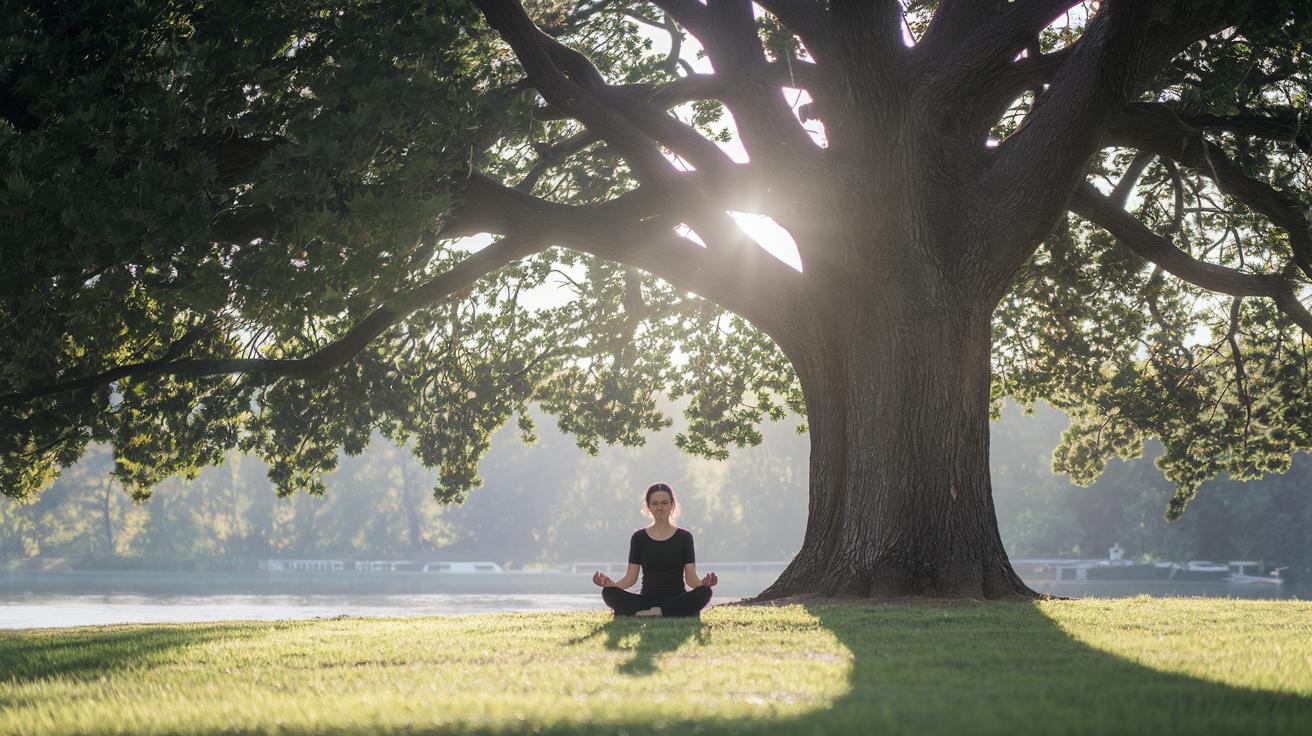
Practicing mindfulness in nature brings real results that go beyond just feeling calm. Studies show that when you spend a few minutes outside focusing on the present, sometimes as little as 12 minutes, it can ease your stress and sharpen your focus. Imagine sitting in a quiet park or small garden; that simple act can lower stress hormones and boost your memory. Nature helps you reset emotionally and physically, making it more than a pastime. It’s a hands-on way to support both your mental and physical health.
Scientific research backs up what many of us experience firsthand. Regular outdoor mindfulness boosts concentration and memory, thanks to the calming effect of a rich, natural setting. Taking in fresh air while observing nature can even brighten your creativity and strengthen your immune system. Data reveals consistent drops in anxiety and better focus after time spent in green spaces. No wonder mindfulness programs now often feature nature as the ideal setting for daily practice.
| Benefit | Evidence/Statistic |
|---|---|
| Stress Relief | Lower levels of cortisol |
| Better Concentration | Improved memory and focus |
| Enhanced Mood | Reduced anxiety |
| Immune Boost | Stronger immune response |
| Creative Spark | Heightened creativity |
Mixing mindful practice with solid research, outdoor mindfulness clearly enriches daily life. Regular time in nurturing environments lets us relax, refocus, and build emotional strength. It’s like pressing a reset button for your mind, moving you away from digital distractions and closer to the beauty of nature. With more studies affirming these benefits, it’s clear that a little time outdoors is a smart way to nurture both your body and mind.
Mindfulness in Nature: Advanced Practices for Immersive Sensory Experiences
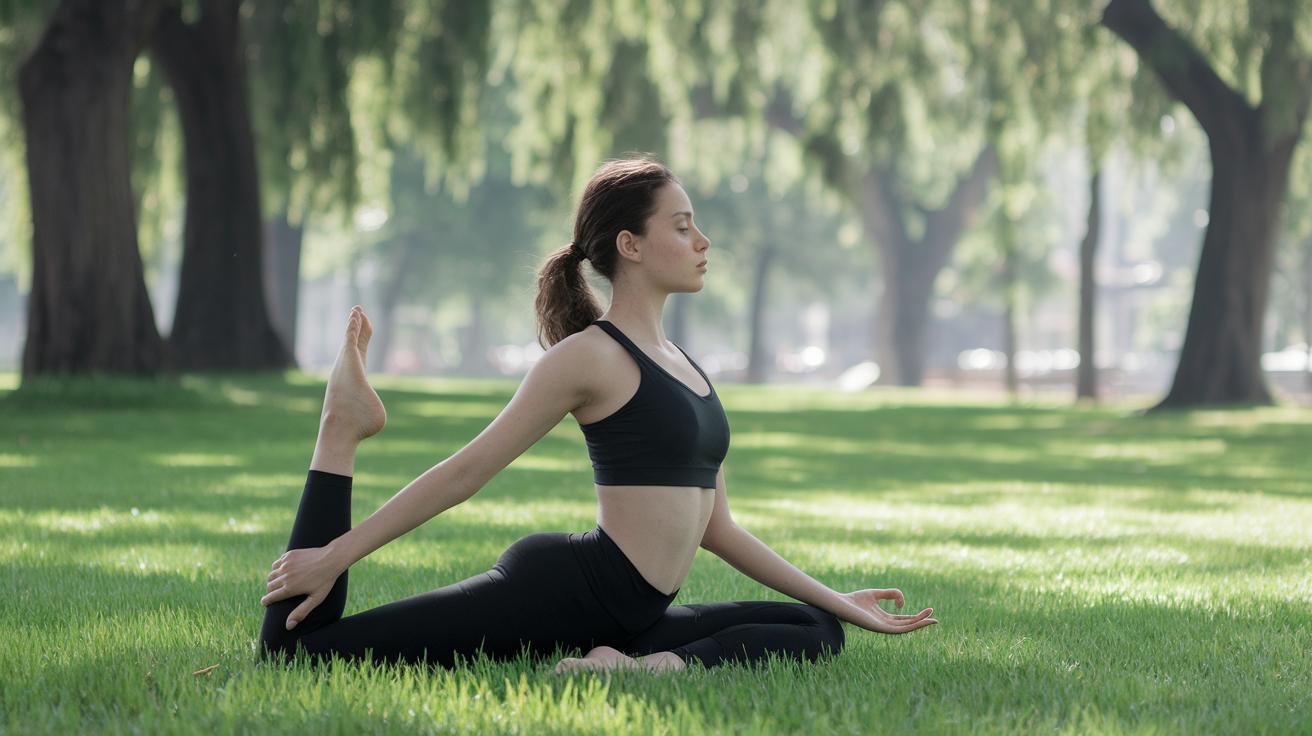
Step outside and wander to those secret spots you don’t find in your usual park visits. Think of a hidden woodland, a quiet lakeside, or even an unexpected urban garden where ancient trees create cozy hideaways. Focus on the little details that make these places unique, maybe it’s the cool mist from a waterfall nearby or the soft hum of nature in the distance. I once felt the wind whisper through the trees like nature was gently talking to me.
- Pick a calm natural spot
- Take a few slow, deep breaths
- Do a mindfulness activity that zeroes in on your senses
- Jot down your thoughts and feelings afterwards
Bring just the basics with you, a bottle of water and a light snack, to keep things simple and distraction-free. Walk slowly as you take in every small detail, feeling the rhythm of your surroundings. When you pause, quickly note how a smooth, worn stone or the quiet murmur of a stream deepens your sense of being present.
Final Words
In the action, you learned simple ways to practice mindfulness in nature while reconnecting with the world outside screens. The article explored how sensory techniques, like mindful walking, environmental observation, and reflective journaling, help clear your mind and boost your well-being.
Every practical tip offered aims to guide you toward paying attention to the present moment through mindfulness in nature. Enjoy the calm and clarity that comes from stepping outside and tuning in to the world around you.
FAQ
What is nature based mindfulness?
Nature based mindfulness means being fully present outdoors by noticing the sights, sounds, and feelings around you. It helps you connect with the natural world and eases stress naturally.
What are mindfulness in nature activities and nature therapy activities?
Mindfulness in nature activities include mindful walking, sensory listening, and reflective journaling. They invite you to engage deeply with natural surroundings, which can calm your mind and boost emotional balance.
What is a Mindfulness in Nature book?
A Mindfulness in Nature book offers practical exercises, tips, and stories to guide you in exploring mindfulness outdoors, helping you reconnect with nature while reducing daily stress.
What does mindfulness in nature for kids involve?
Mindfulness in nature for kids uses simple, playful outdoor exercises that help children notice sounds, sights, and textures, encouraging curiosity and comfort in natural settings.
What is nature-based mindfulness training?
Nature-based mindfulness training involves guided sessions outdoors where you learn to focus on present sensations through exercises like mindful walking and breathing, promoting relaxation and clarity.
How do nature and meditation connect?
Nature and meditation connect by offering an environment that enhances calm focus. Engaging with natural surroundings during meditation helps clear your mind and ground your thoughts.
What is forest bathing?
Forest bathing is the practice of immersing yourself in a wooded setting to absorb the calming energy of the forest. This practice can lower stress and improve overall well-being.
What are the 5 elements of nature meditation?
The 5 elements of nature meditation include mindful walking, sensory listening, environmental observation, reflective journaling, and simple breathing exercises. These practices help you engage fully with nature.