Ever wonder if just a few deep breaths could change your whole day? It’s a simple trick that clears your mind and eases stress. When you focus on the gentle rhythm of your breathing, in and out, you take a little break from your busy day. This small pause helps you let go of tension and opens up a path to feeling calmer and more focused. Let’s explore how this easy practice can bring a bit more peace and clarity into your everyday life.
Mindful Breath for Stress Relief: Getting Started with Awareness Practices
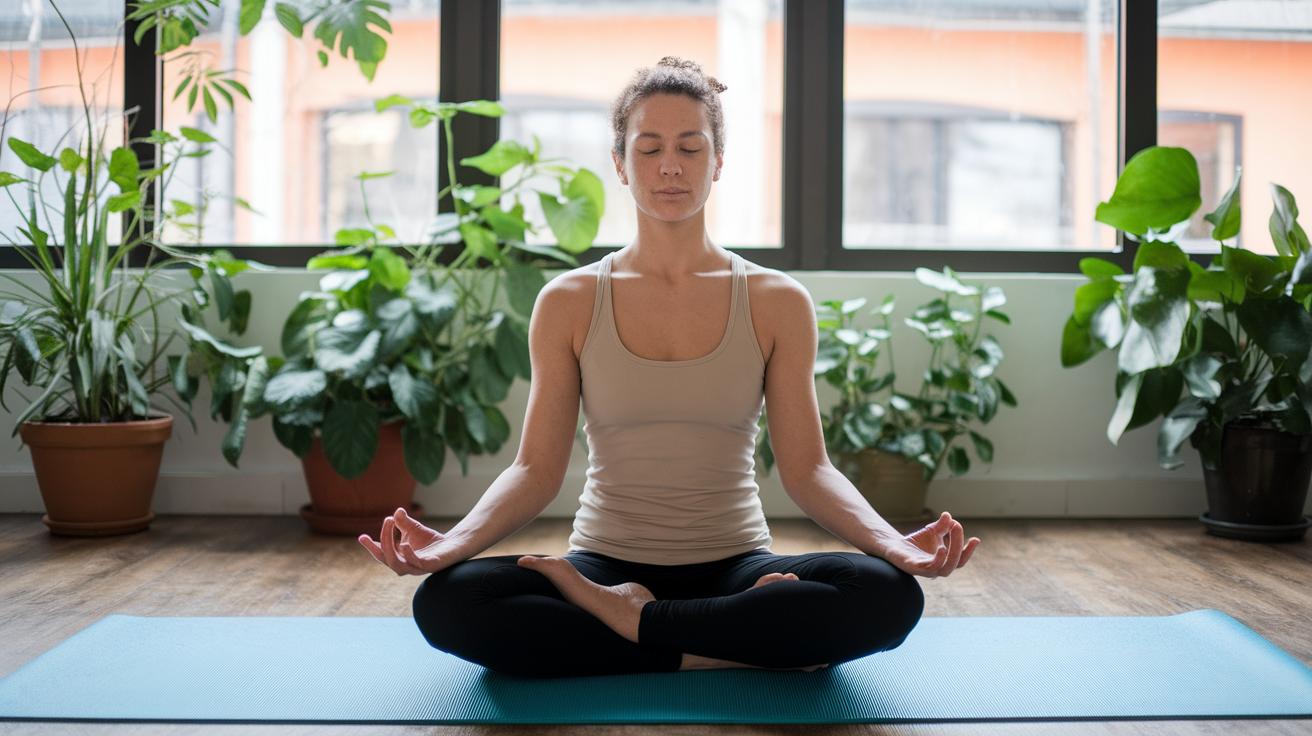
Mindful breathing is a simple way to cut stress and lift your mood. It means paying close attention to each breath without judging yourself. You focus on the way the air fills your lungs and slowly leaves, which can help clear your mind. Ever wonder how a few deep breaths can change your day?
Studies show that simply noticing your breath can set off your body’s natural relax mode. By breathing in deeply and exhaling slowly, you give your mind a chance to take a break and think more clearly. Even just five to ten minutes of focusing on your breath can lower your stress levels and push away negative thoughts.
Starting is really easy. Find a quiet spot where you can sit or lie down comfortably. Close your eyes, and just listen to the rhythm of your breathing. As you practice, you might try to stretch out your sessions a little bit. Whether you’re at home, taking a work break, or winding down at night, a short mindful moment can bring a steady calm and help your mind and body recharge.
Mindful Breathing Techniques: Step-by-Step Methods for Effective Practice
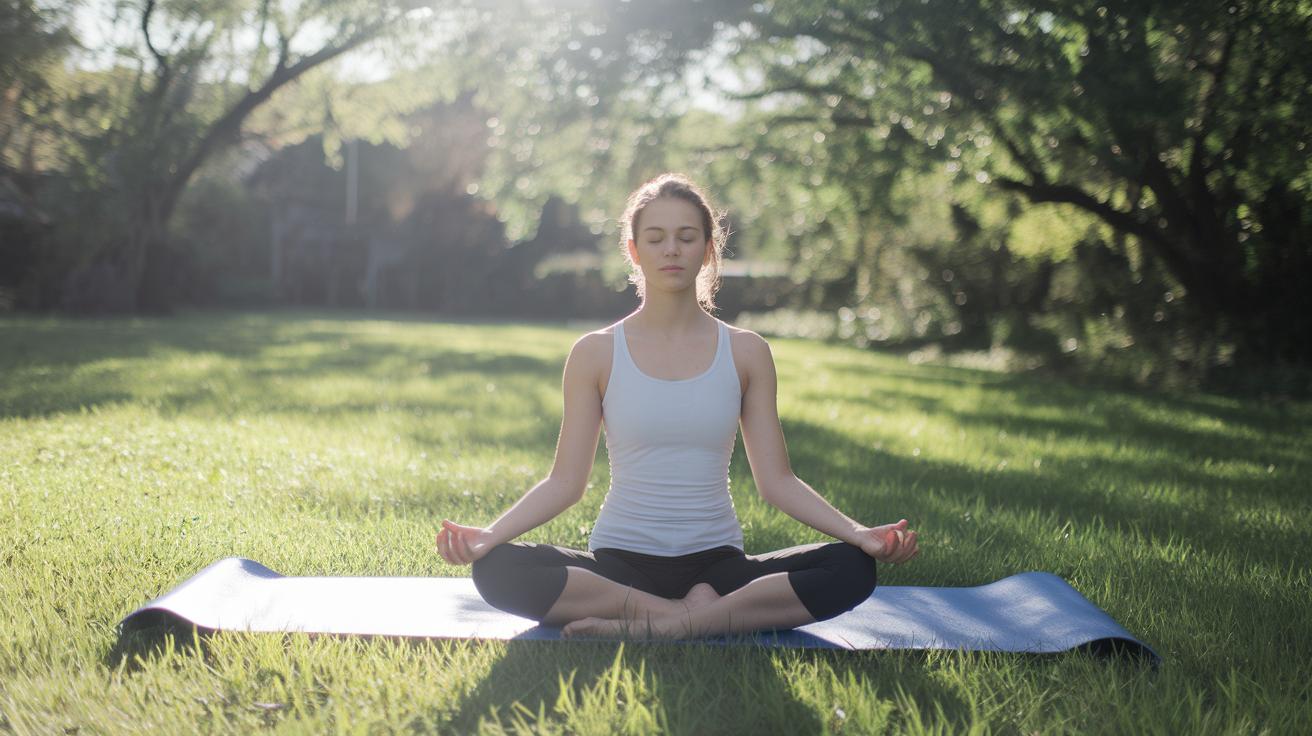
Start by tuning into your natural breath. It might seem simple, but just noticing how you breathe can bring calm in a big way. As you focus on each inhale and exhale, feel your belly rise and fall, that’s diaphragmatic breathing (deep breathing using your belly), a key way to reduce stress. Research shows that even a quick five- to ten-minute session can help ease anxiety and clear your mind.
Let’s break down how to set up your own guided breath meditation routine:
- Find a quiet spot where you won't be interrupted.
- Settle into a comfortable position, sit or lie down however you like.
- Simply notice your natural breathing without trying to change anything.
- Take a deeper breath by letting your belly expand as you inhale.
- Breathe out slowly, feeling the tension melt away.
Regularly practicing these simple breath exercises trains your mind and body to relax. Each step naturally leads to the next, moving you from a stressed state to a calm one. Think of each deep, slow breath as a reset button, a way to handle daily challenges and quiet those anxious thoughts. Even a quick mindful pause can bring back clarity and balance, making the act of breathing a powerful, everyday tool for lasting calm.
Mindful Breathing Benefits: Scientific Evidence and Emotional Well-Being
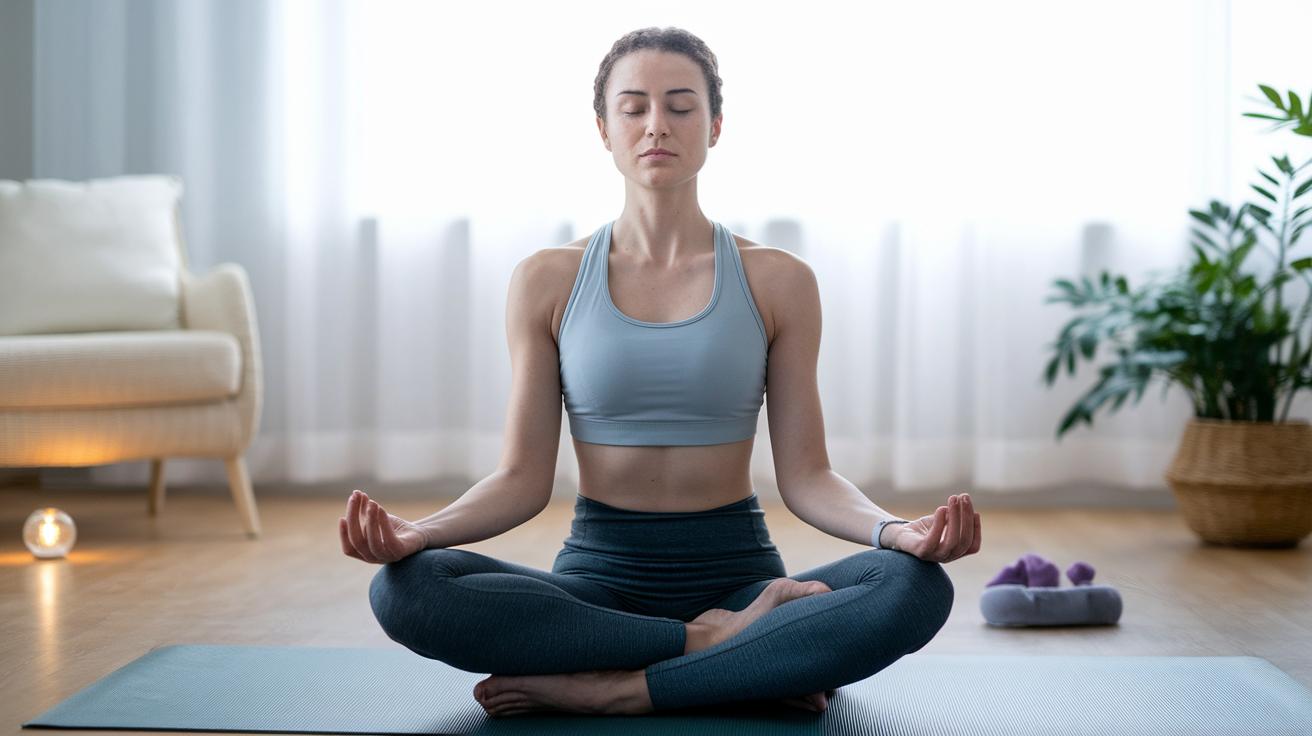
Recent studies show that mindful breathing not only puts your body into relaxation mode but also helps your brain deal with emotions better. Even short bursts of deep breathing can boost brain connections, leading to clearer thinking and steadier feelings. For example, try this simple exercise: slowly breathe in, feel your chest gently lift, and then breathe out to release tightness.
New research also tells us that controlled breathing can improve mental agility and help keep your mood steady when things get tough. It’s like giving your brain a little tune-up, building on what we already know without rehashing old facts.
Many have noticed that focused breathing, especially during stressful times, quickly helps center your mind. This growing proof suggests that mindful breathing is a handy, everyday tool to handle pressure and stay balanced.
Mindful Breathing for Beginners: Guided Exercises and Practical Tips
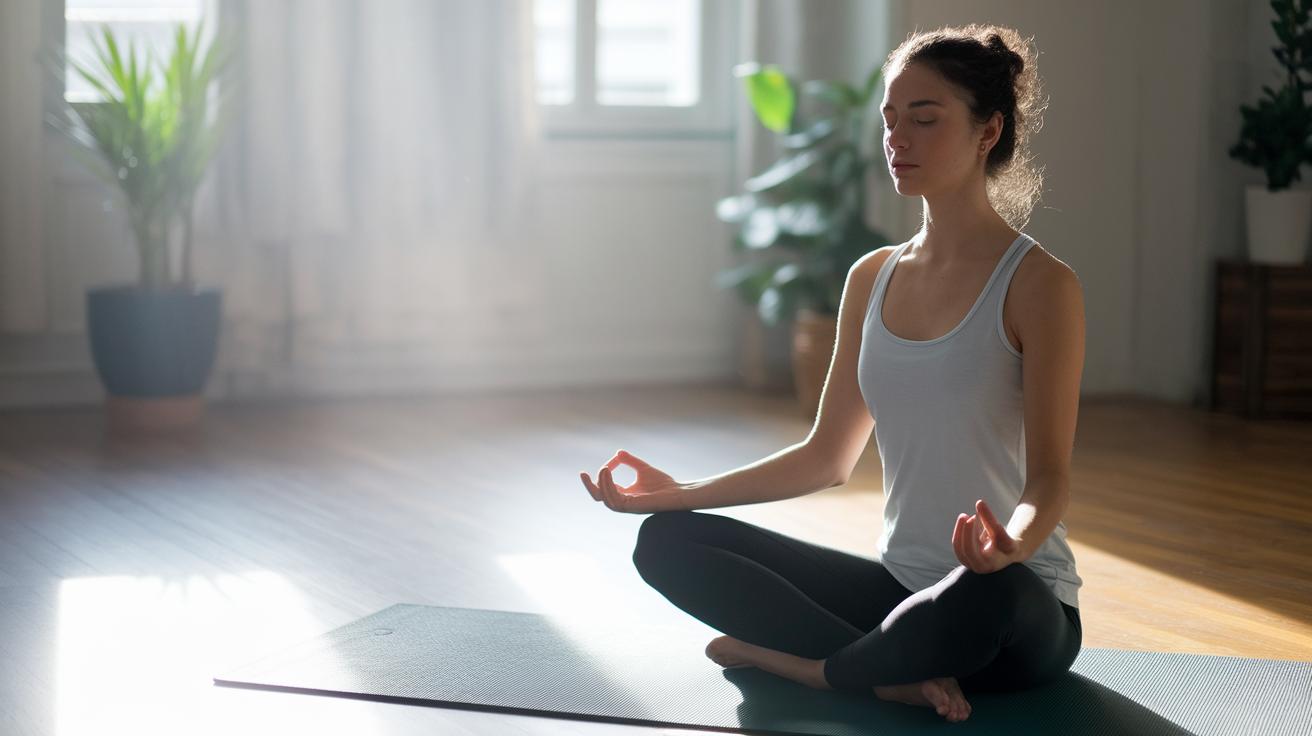
When you're just starting with mindful breathing, simple resources like downloadable PDFs and easy meditation scripts can really help you out. These guides introduce exercises like Beginner’s Breathing Meditation and Triangle Breathing. Ever imagine your breath as a gentle wave, calm and steady? That’s one way to picture it.
These handy PDFs walk you through each step, showing even the tiniest changes in your breath. Fun fact: studies say that guided breathing exercises can melt away daily tension and sharpen your focus, kind of like a quick tune-up for your mind.
Each exercise in these guides is made to tackle common challenges. They offer extra tips and real-world examples that go beyond the basic instructions. For instance, the Triangle Breathing exercise teaches you to manage short distractions by sticking to a clear rhythm and count for every phase.
Mindful Breathing in Daily Life: Integrating Practices for Overall Well-Being
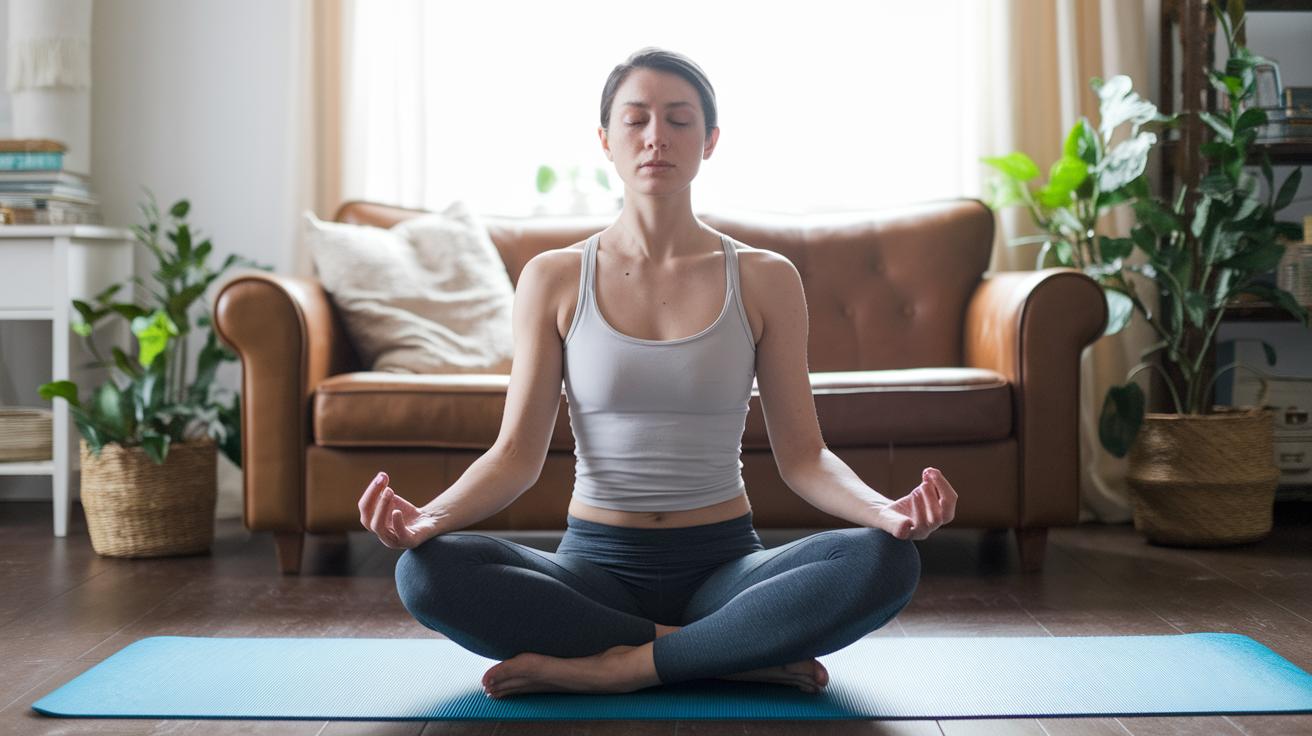
Trying mindful breathing each day works like a reset button. You could sneak in a few deep breaths while grabbing a coffee, waiting in line, or just between work tasks. Just one to five minutes can clear your head, ease stress, and give your mind a quick refresh. Think of it like a little break from the hustle, a pause that lightens your mood even when your day is packed.
You don’t need a special place to do it either. When things feel heavy, close your eyes for a moment and notice the gentle rise and fall of your chest. It’s simple but effective. This little trick can boost your focus during tasks and turn regular breaks into mini moments of calm.
Ever tried adding mindful breathing to your morning or bedtime routine? Setting aside five minutes in the morning or before sleep can make a big difference. Over time, these small breathing exercises keep you balanced and help sharpen your focus. It’s all about turning everyday moments into chances for relaxation and a refreshed outlook.
Final Words
In the action, we explored mindful breathing's simple steps to reduce stress and clear the mind. The post uncovered easy techniques, guided exercises, and smart ways to weave this practice into daily life.
We saw how a few minutes of focused breathing initiates calm and sharpens focus. Embrace mindful breathing; it's a practical means to enjoy clearer thinking and greater emotional balance every day.
FAQ
What is mindful breathing?
Mindful breathing is the practice of focusing on your breath to calm the mind and body. It comes from paying close attention to each inhalation and exhalation, which reduces stress and improves clarity.
What are the benefits of mindful breathing?
Mindful breathing benefits include reduced anxiety, lower stress levels, and improved mental clarity. It helps calm the nervous system, giving you a simple, effective tool to manage daily pressures.
How can mindful breathing help with anxiety?
Mindful breathing helps with anxiety by slowing your breath to soothe the nervous system. It directs your attention to your breathing, which eases tension and helps clear your mind during stressful moments.
How does mindful breathing work for kids?
Mindful breathing works for kids by teaching them to pause and focus on deep, slow breaths. This practice helps them manage their emotions and calm down during overwhelming or challenging situations.
Where can I find guided mindful breathing resources like PDFs or scripts?
Guided mindful breathing resources, including exercise PDFs and scripts, are available online. They offer clear, structured instructions that make starting and maintaining a mindful breathing practice easier.
What is the 4-7-8 breathing technique?
The 4-7-8 breathing technique involves inhaling for 4 seconds, holding for 7 seconds, and exhaling for 8 seconds. This simple pattern helps slow your heart rate and ease tension effectively.
What does the 3-3-3 breathing technique involve?
The 3-3-3 breathing technique means you inhale for 3 seconds, hold for 3 seconds, and exhale for 3 seconds. This brief exercise is a handy tool to quickly reset and reduce stress.
How can I use YouTube for mindful breathing exercises?
YouTube offers many guided mindful breathing videos that show step-by-step techniques. These videos provide clear visual cues and instructions, making it easier to practice and achieve a state of calm.