
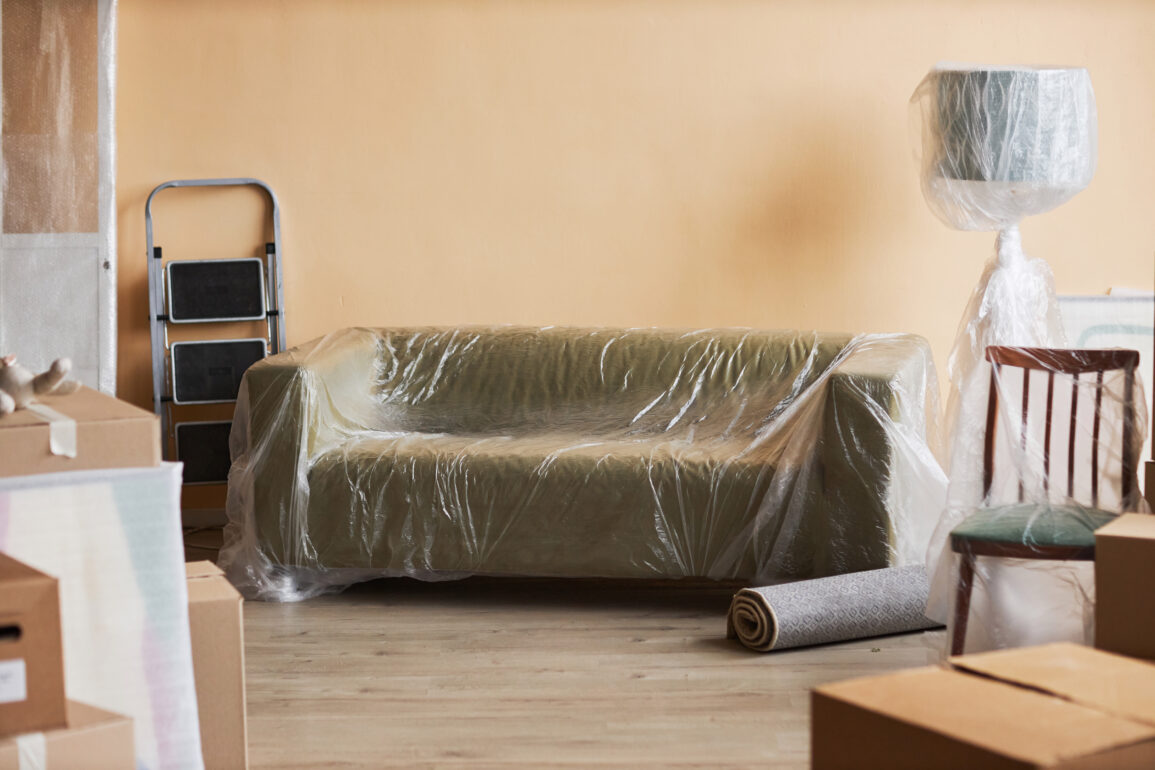
Furniture is a prized part of our homes, both in practical use and sentimental value. When storing it, whether for a short-term move or long-term safekeeping, improper handling can lead to warping—a common but preventable issue. Warping not only diminishes the appearance of your furniture but also compromises its structural integrity. So how can you ensure your cherished pieces remain in impeccable condition during storage? Below, we’ll explore actionable steps and best practices to protect furniture from warping in storage.
1. Choose the Right Storage Unit
Your choice of storage unit plays a pivotal role in maintaining furniture quality. Temperature fluctuations and high humidity are the main culprits that cause furniture to warp. A climate-controlled storage unit is your best defense. These units maintain a consistent environment, regulating temperature and humidity to prevent the swelling and shrinking that leads to warping. While they may cost slightly more than standard units, the peace of mind they offer is invaluable for protecting your belongings.
2. Prep the Furniture Before Storage
Preparation is key. Before placing furniture into the storage unit, take the time to clean each piece thoroughly. Dust, dirt, and moisture left on surfaces can trap humidity or create abrasions over time. Here’s how to prepare various types of furniture properly:
- Wooden furniture: Clean with a soft, slightly damp cloth, then wipe it dry completely. Consider applying a layer of furniture wax or polish for extra protection against humidity.
- Upholstered furniture: Vacuum the fabric to remove dust and debris. If the furniture has detachable covers, wash and store them separately.
- Metal pieces: Avoid rust by wiping them down and applying a protective coating, such as anti-corrosion spray.
Disassemble large furniture, such as tables and beds, to reduce stress on joints and make the pieces easier to handle. Keep small parts like screws or bolts in labeled bags for easy reassembly.
3. Invest in Proper Wrapping Materials
Skipping proper wrapping materials can expose your furniture to scratches, dust, and moisture in the storage unit. Avoid using plastic to directly wrap your furniture; while it may seem like a good water-proofing solution, it can trap moisture and cause condensation, leading to warping and mold growth. Instead, opt for breathable materials, such as:
- Furniture blankets to protect against scratches and dents.
- Bubble wrap for cushioning delicate pieces.
- Drop cloths or sheets to act as a breathable barrier against dust.
Ensure the wrapping is snug but not overly tight, as excessive pressure can damage edges and corners.
4. Mind the Storage Arrangement
Proper storage technique is another critical component in preventing warping. The way you organize your furniture could significantly affect its condition. Follow these best practices:
- Lift items off the floor: Use pallets or shelving to keep furniture elevated. This prevents direct contact with the ground, minimizing exposure to any accidental leaks or changes in temperature at floor level.
- Don’t overcrowd the unit: Overlapping or cramming furniture together can lead to uneven pressure points, which can warp wood and dent other materials. Ensure there’s adequate ventilation between pieces.
- Store furniture upright: Avoid placing heavy items on top of furniture, as this could cause sagging or warping over time.
5. Control the Environment Within the Unit
Keeping the environment in your storage unit stable is just as important as choosing the right unit. While a climate-controlled facility will handle temperature and humidity, additional steps can further enhance protection:
- Dehumidifiers and silica gel packs: If your storage unit allows these, they can absorb excess moisture and maintain dryness.
- Regular check-ins: Visit the unit periodically to ensure everything is in good condition. This is particularly helpful if you plan to store items for six months or longer.
- Proper air circulation: Leave a small gap around each stored item for air to flow freely, preventing the buildup of stagnant air pockets.
Final Thoughts
Proper furniture storage isn’t just about having a space to stash your belongings; it’s about creating an environment that safeguards their quality for years to come. By opting for smart storage practices like climate-controlled units, meticulous preparation, and regular maintenance, you’ll protect your furniture from warping and other preventable damage.
If you’re in the market for a secure storage unit rental, ensure you prioritize facilities equipped with climate control and spacious layouts to accommodate your storage needs. Your furniture deserves the best, and with the right approach, you can safeguard it for the future.

