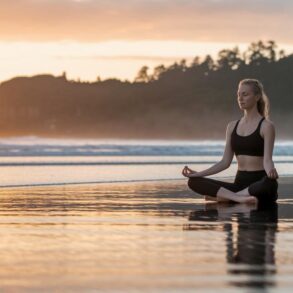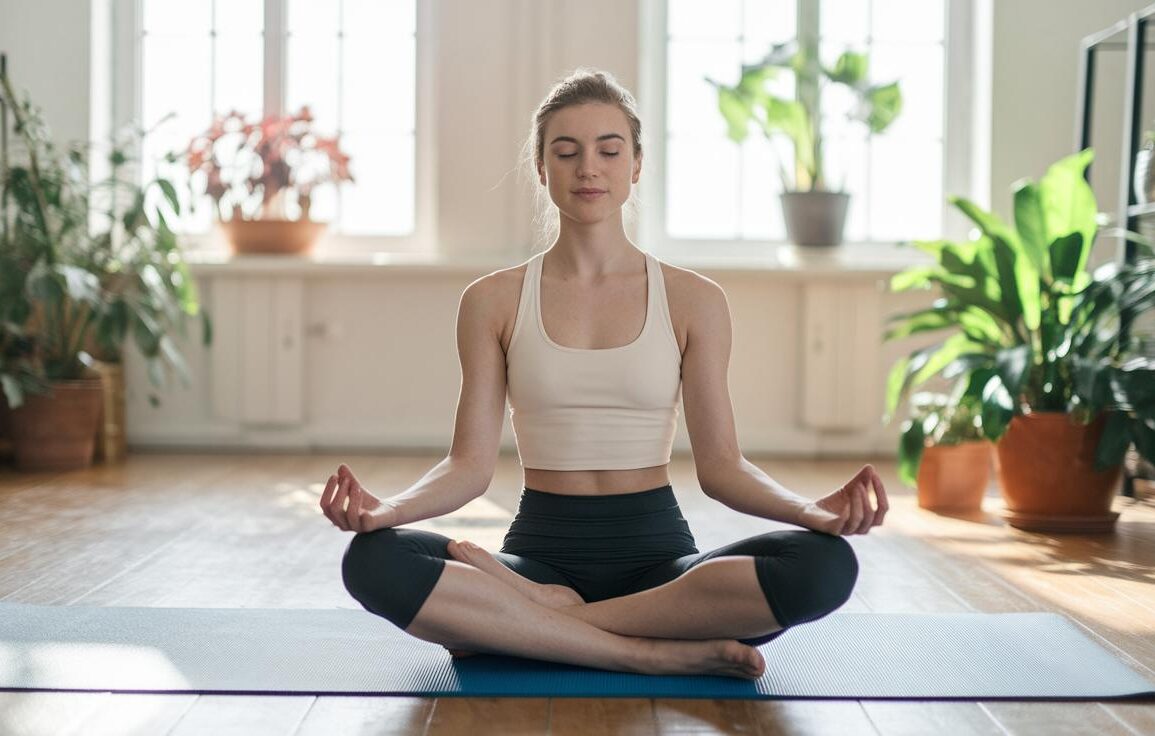
Ever thought that just five quiet minutes of deep breathing could change your whole day? Imagine taking a short pause that clears your head and makes life feel a bit lighter.
Mindfulness is all about being fully present in the moment, whether you're sitting, walking, or simply taking a deep breath. In this guide, we're sharing simple steps that help you relax and boost your focus.
These easy techniques act like your personal reset button, turning a brief pause into a chance to bring calm and balance into your day. Give it a try and feel the difference.
Mindfulness for Beginners: Practical Steps for Everyday Awareness
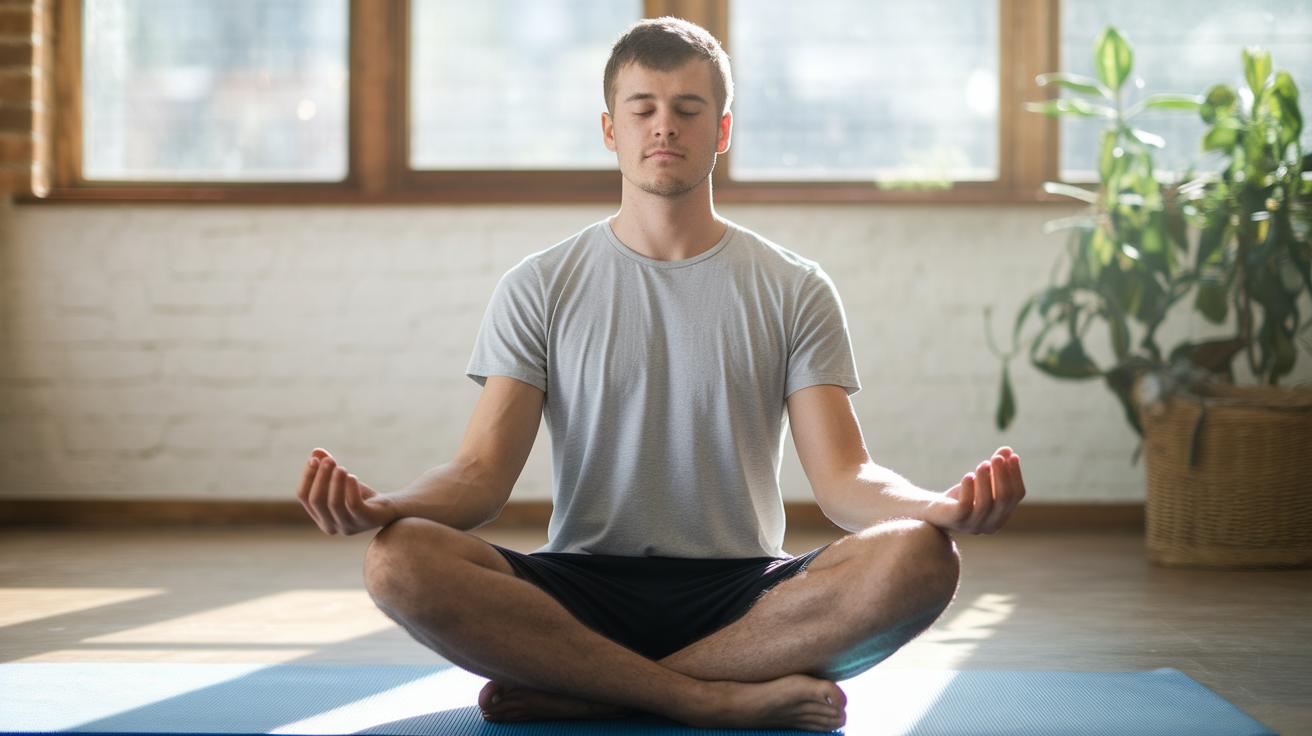
Mindfulness means focusing on what's happening right now, without judging anything around you. It's all about noticing your thoughts, feelings, and surroundings exactly as they are, no labeling, no changing. In other words, whether you're sitting, walking, or just breathing, you're fully tuned in to the moment. This simple practice can clear your mind and ease stress, making everyday tasks seem a little bit lighter.
Building mindfulness is easier than you might think. Try simple exercises like sitting comfortably, taking slow, deep breaths, or gently checking in with how your body feels. Even a quick five-minute pause during your day can refresh your mood and boost your focus. Ever notice how a brief break can feel like a reset button?
Here are five easy steps to get started:
- Set aside a quiet time.
- Choose a comfortable seating position.
- Focus on natural breathing.
- Let your thoughts come and go without judgment.
- Take a moment to reflect on the experience.
When you stick with these steps, you create a daily habit of calm and clear focus. Over time, you'll find it easier to let go of past regrets or future worries and truly enjoy the here and now.
Daily Mindfulness Techniques: Breathing, Movement, and Relaxation
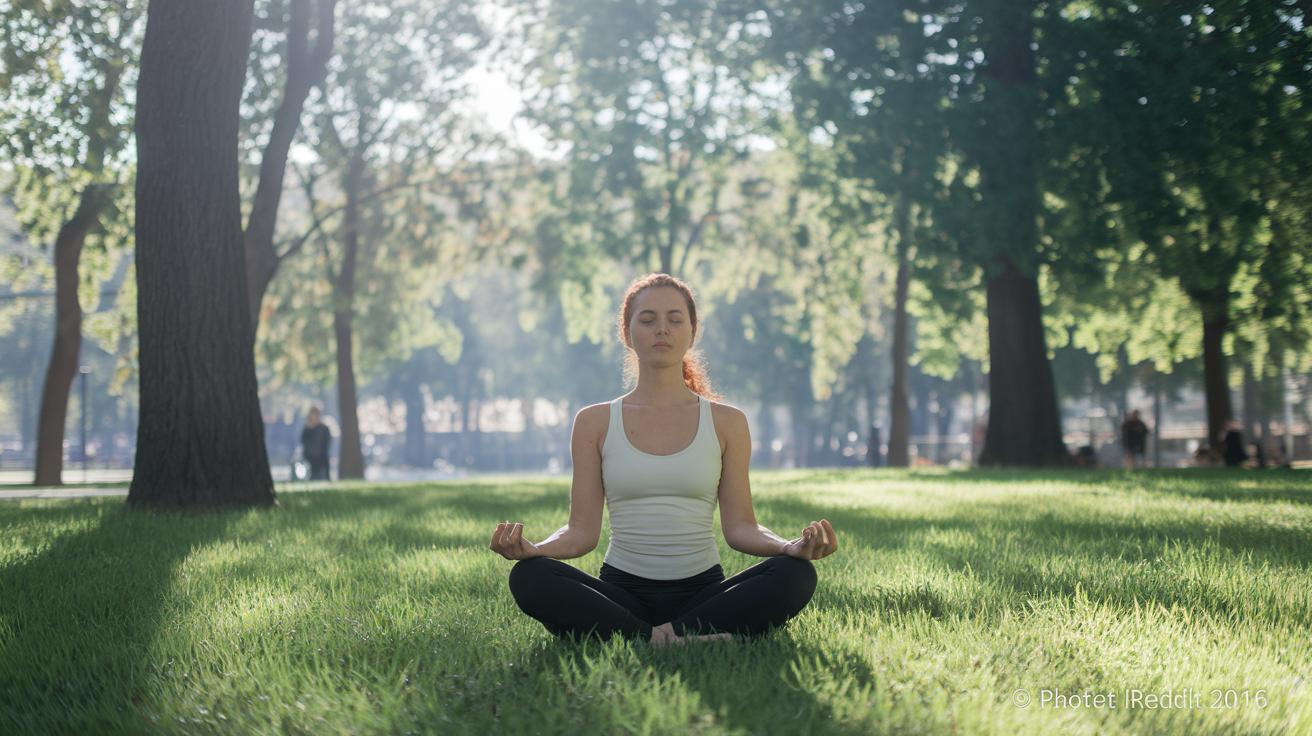
Each day gives you a chance to tap into the present with simple mindfulness techniques. Picture yourself in the middle of a hectic day, taking a moment to breathe deeply or imagine a quiet garden. Whether you're easing stress with guided imagery or connecting through gentle stretches or a slow walk, these practices help you stay in tune with your body and mind. They not only calm your thoughts but also help you build a lasting habit of staying present.
Try these easy steps:
- Spend a few minutes each day on breathing exercises.
- Add short walks or stretches to your routine.
- Explore guided relaxation using clear mental images.
- Be kind to yourself in tough moments.
With regular practice, even brief pauses turn into opportunities to feel balanced and refreshed.
Breathing Meditation
Focused breathing means taking deep, slow breaths while gently steering your attention back whenever your mind wanders. It’s a simple way to clear your head and reduce stress.
Mindful Movement
Mindful movement is about tuning into your body through activities like a walking meditation or a gentle stretch. It helps you feel each sensation and keeps you grounded in the moment.
how to practice mindfulness: Simple Steps for Serenity
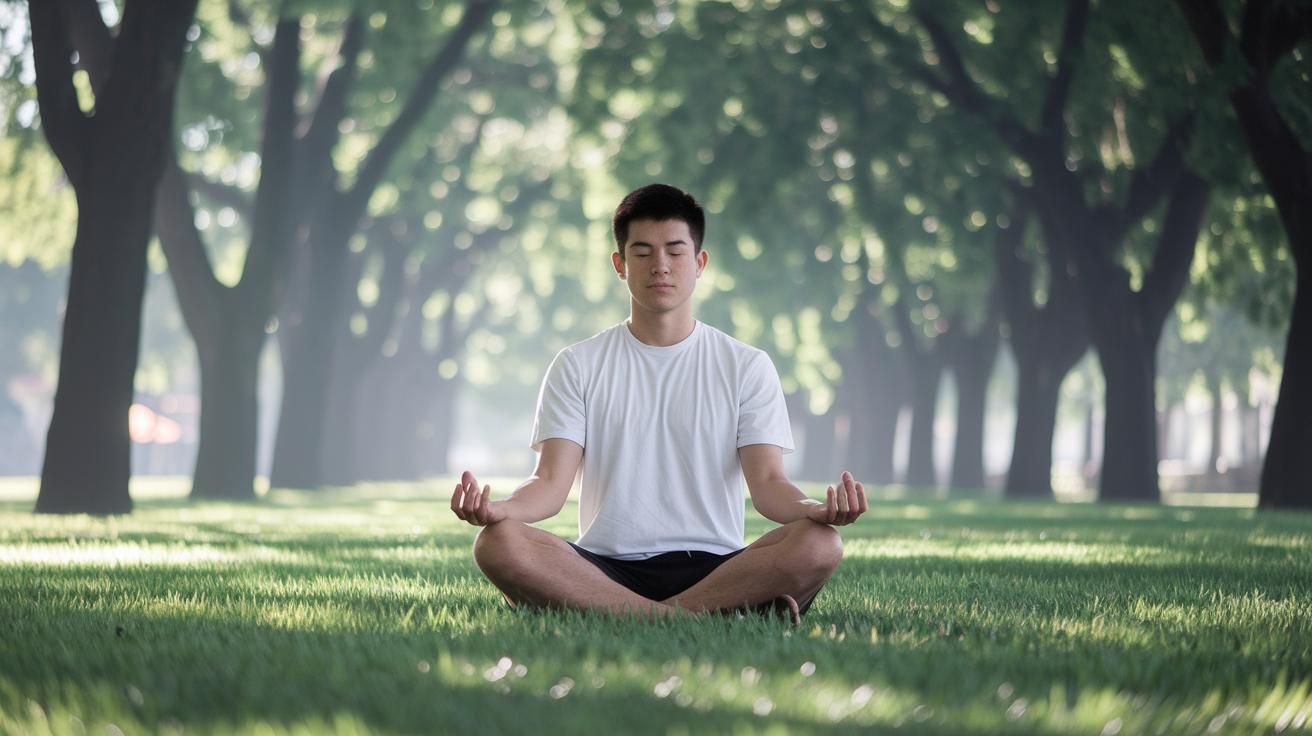
When you sit quietly and take deep breaths, little by little your mind shifts. Even just one minute of focused breathing can help ease tension and clear your thoughts.
Science backs this up. Regular mindful moments can lower your stress and balance your emotions. Even a short break can boost focus and reduce stress hormones like cortisol.
| Benefit | Explanation |
|---|---|
| Stress Reduction | Helps ease anxiety and lower cortisol levels |
| Improved Focus | Makes it easier to think and decide clearly |
| Emotional Regulation | Encourages balanced reactions during tough times |
Making mindfulness a part of your day builds mental strength you can feel at work, at home, or anywhere life takes you.
Integrating Mindfulness into Daily Life: Work, Home, and Social Settings
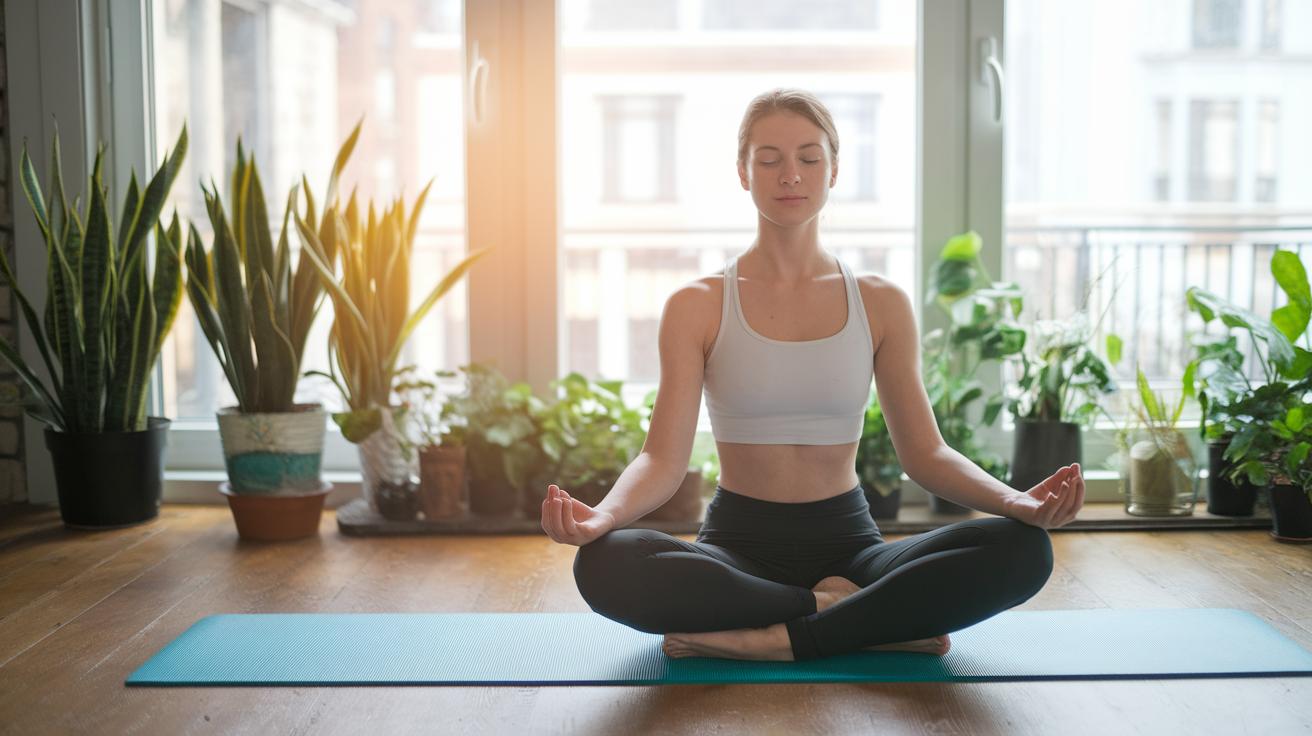
Mindfulness isn’t just for sit-down meditation sessions; it can slip into your daily routine whether you're at work, home, or out with friends. You don't need any high-tech gadgets, simple breathing exercises during a short break or slowly enjoying a meal can bring a sense of calm. Imagine that ordinary coffee break turning into a quiet retreat, or a busy day at the office breaking into little moments of peace that help you feel balanced.
Try these simple steps to make mindfulness part of your day:
- Set aside a few minutes for a quick meditation.
- Enjoy your meals by really noticing the taste and texture.
- Take short, mindful breaks when work feels overwhelming.
- Wrap up your day with a bit of reflective journaling.
Even just a few minutes of focused breathing or paying attention to your actions can turn everyday moments into chances to reset and relax. It’s like giving your mind a mini-vacation, even if just for a moment. Over time, these little mindful habits can help you handle stress better and keep you steady no matter what life throws your way.
Final Words
In the action, we explored how to practice mindfulness through simple breathing exercises, mindful movement, and practical daily routines. We broke down easy steps, from setting aside quiet time to reflecting on experiences, that build inner calm and focus. We also touched on the benefits like reduced stress and improved clarity while showing how to integrate these habits at work and home. This approach reminds us that small, consistent practices can spark significant positive changes every day. Stay curious and keep experimenting with simple strategies for a calmer life.
FAQ
How do I start practicing mindfulness in daily life?
The practice of mindfulness in daily life means setting aside quiet moments, sitting comfortably, and focusing on your breath while gently noticing your thoughts. This helps build steady inner calm.
How does practicing mindfulness help with anxiety?
The practice of mindfulness for anxiety involves using focused breathing and gentle awareness to ground your thoughts. This steady attention eases anxiety and supports a calmer mindset over time.
How do online communities and psychological experts explain mindfulness practice?
The mindfulness approach, as explained online and by psychology experts, means paying nonjudgmental attention to the present moment. They suggest short breathing sessions, body scanning, and daily mindful routines for stress relief.
What are the five basics of mindfulness practice?
The five basics of mindfulness practice include setting aside quiet time, sitting comfortably, focusing on natural breathing, nonjudgmentally observing thoughts, and reflecting on the experience. These steps build daily calm and awareness.
How can I practice mindfulness while eating?
The practice of mindful eating means fully focusing on your food by noticing textures, flavors, and smells. This heightened awareness can improve your meal satisfaction and aid in better digestion.
How is mindfulness practiced in Islam?
The mindfulness approach in Islam blends spiritual prayer with present moment awareness. It means focusing your attention during prayer and everyday acts, emphasizing appreciation for each moment.
How can I practice mindfulness without traditional meditation?
The method of practicing mindfulness without meditation includes engaging in activities like walking, eating, or even simple breathing awareness. These actions let you build presence without needing structured meditation sessions.
What do frameworks like the 5 R’s, 3 C’s, and 4 P’s offer for mindfulness practice?
The mention of the 5 R’s, 3 C’s, and 4 P’s refers to models that break down mindfulness into key elements. They provide guidance on reflection, awareness, and practical steps to help structure and deepen your mindful moments.