
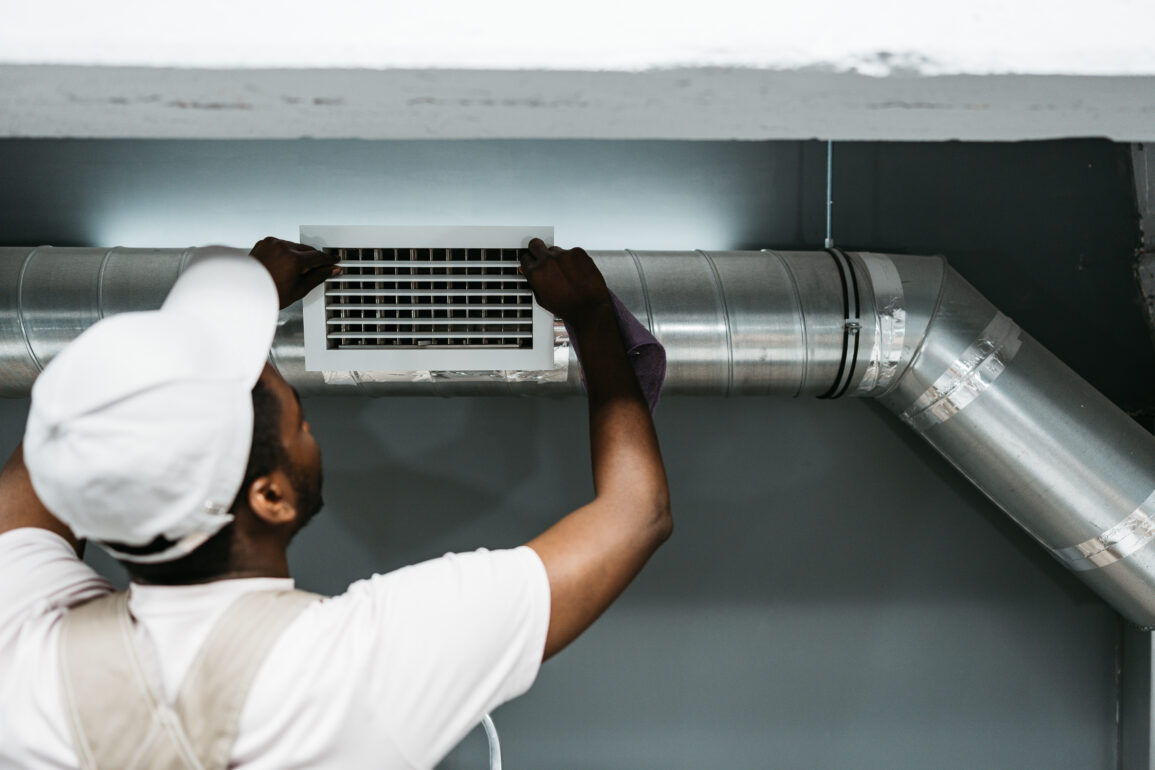
As temperatures soar during summer, your HVAC system works overtime to keep your home comfortable. But did you know that if not properly maintained, it could potentially be a fire hazard? Understanding how your system works, what risks are involved, and what you can do to mitigate them is key to ensuring your comfort and safety during the hottest months of the year.
The HVAC System: A Silent Warm-Weather Hero
Your HVAC (Heating, Ventilation, and Air Conditioning) system is essential for maintaining a comfortable indoor environment during summer. Acting as the heart of your home’s climate control, it cools your space, filters the air, and even balances humidity levels. However, like any mechanical system, it faces wear and tear, and the summer workload can amplify potential risks.
When it comes to fire hazards, some of the most overlooked culprits involve areas such as air ducts, electrical components, and clogged air filters. Understanding these vulnerabilities and proactively addressing them can protect your home and loved ones.
Why Summer Increases HVAC Fire Risks
Here are some primary reasons your HVAC system may pose fire hazards during peak summer months:
- Clogged Air Filters
Air filters block dust and debris from circulating in your airspace, but when neglected, they can become clogged. A clogged filter restricts airflow, which forces your HVAC system to work harder and can lead to overheating. Overheated systems could spark a fire. - Dirty Air Ducts
Dust, allergens, and even lint can accumulate in your air ducts over time. This collection of debris not only hampers your system’s efficiency but also creates combustible conditions in high-temperature settings. - Electrical Issues
Your HVAC relies on a network of electrical wiring to function. Exposed wires, aging components, or overloaded circuits elevate the risk of electrical fires. The constant power surge used to keep your home cool during the hottest months increases strain on these components. - Faulty HVAC Parts
Over time, certain mechanical components like motors, belts, or fans can wear out. Malfunctioning parts can produce heat or sparks that can ignite flammable materials within or near your HVAC unit.
Recognizing these potential hazards is vital to staying ahead of problems before they escalate.
How Air Duct Cleaning May Reduce Fire Risks
Among all the preventative measures you can take, air duct cleaning stands out as a critical component of HVAC maintenance. Here’s why:
- Removes Combustible Materials: Cleaning your air ducts eliminates dust, lint, and other debris that could ignite under certain conditions.
- Improves Efficiency: Clean ducts ensure your HVAC system maintains its performance without laboring unnecessarily, reducing the risk of overheating.
- Promotes Safer Airflow: When airflow is uninhibited, your system stays balanced, preventing strain on mechanical and electrical components.
Scheduling routine air duct cleaning with a professional not only fosters better air quality in your home but also provides an extra layer of fire protection.
Essential HVAC Maintenance Tips for a Safe Summer
By maintaining your system, you can minimize risks and extend the longevity of your HVAC unit. Here are essential tips to keep in mind:
- Regularly Replace Air Filters
Check your air filters monthly and replace them at least every three months—or more frequently if you have pets or live in a dusty area. - Schedule Professional Inspections
Professional technicians can identify worn-out parts or underlying issues that may be invisible to the untrained eye. An annual inspection is a minimal investment for your peace of mind. - Keep the Area Around the Unit Clear
Ensure your exterior HVAC unit has enough space for ventilation. Remove leaves, grass, and other debris that could gather around it. - Monitor Power Usage
Watch for unusual power consumption spikes, as these may indicate your system is under strain or experiencing electrical issues. - Invest in Air Duct Cleaning
As mentioned earlier, clean ductwork is vital for preventing fire hazards and improving overall system efficiency. - Stay Alert to Unusual Smells or Sounds
If your system emits burning smells or makes unusual noises, these could signal underlying problems that need immediate attention.
Final Thoughts: Protect Your Comfort and Safety
Your HVAC system is a cornerstone of home comfort, but like any appliance, it requires care and attention—especially during the demanding summer months. Regular maintenance, including air duct cleaning, goes a long way in preventing fire hazards while ensuring optimal performance.
Invest in professional care and always be proactive in spotting potential issues. By doing so, you can enjoy a safe and cool summer, worry-free.
Thinking about air duct cleaning or an HVAC inspection? It might just be the perfect time to prioritize your system, your safety, and your comfort.

