


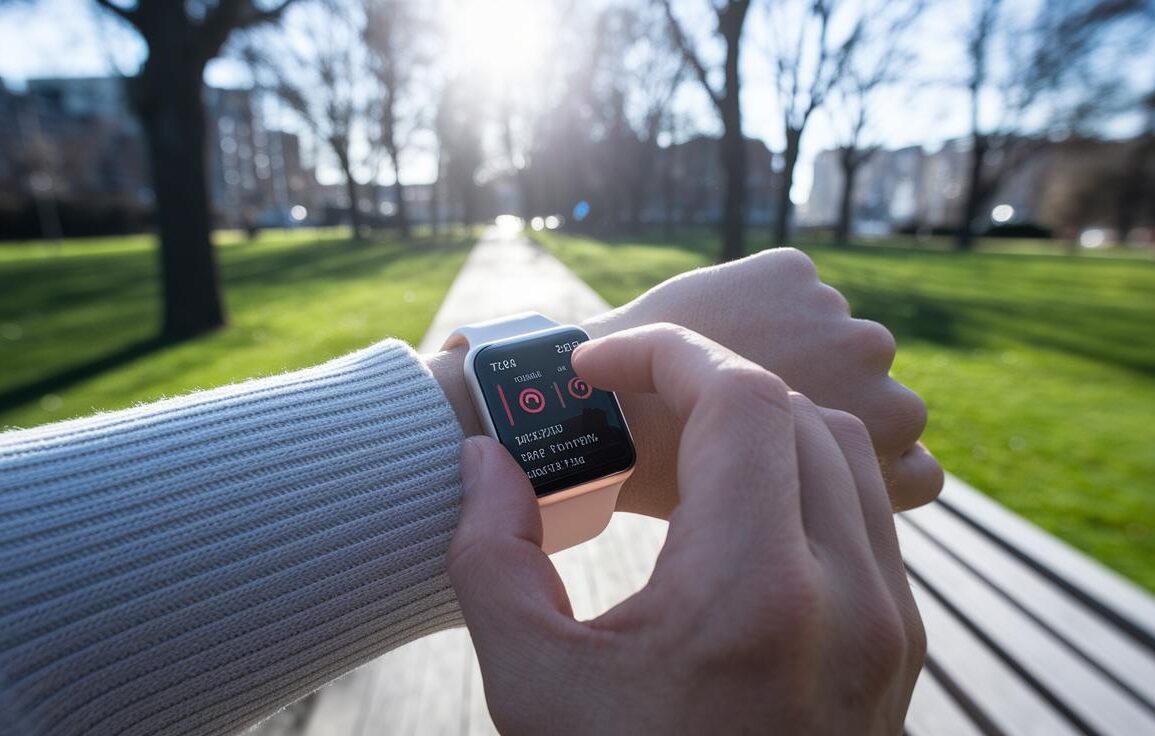
Ever wondered if a little gadget on your wrist could genuinely improve your health? These wearable medical devices are more than just fun accessories, they serve as personal health helpers that monitor key signs like your heartbeat and breathing in real time. They offer you and your doctor a clear snapshot of your health so you can catch potential problems early.
Imagine feeling at ease knowing that a small device is quietly keeping track of what matters most for your well-being. It’s like having a caring friend alert you the moment something seems off, helping you stay one step ahead in your journey to better health.
Understanding Wearable Medical Devices: Definitions and Core Benefits
Wearable medical devices are small digital gadgets that clip onto your body to track important health signs. They work like mini health helpers, recording your heartbeat, breathing, temperature, and more. Imagine a watch that tells time and checks your pulse in real time, letting your doctor know right away if something seems off.
Inside these devices, different sensors do the work. For example, optical sensors measure your pulse (the steady beat of your blood) and accelerometers note your movements. They send data through a secure network called the Internet of Medical Things, which links you and your healthcare team. Picture your health details moving smoothly, so you and your care team always have up-to-date information.
The best part? These devices bring many benefits. They offer real-time monitoring and can alert you early if any readings fall out of the normal range. This means doctors can tailor care to your needs right then. Plus, by cutting down on office visits, they may help lower healthcare costs. Early detection can prevent bigger problems later, ensuring you get the right care at the right time.
Key Categories of Wearable Medical Devices
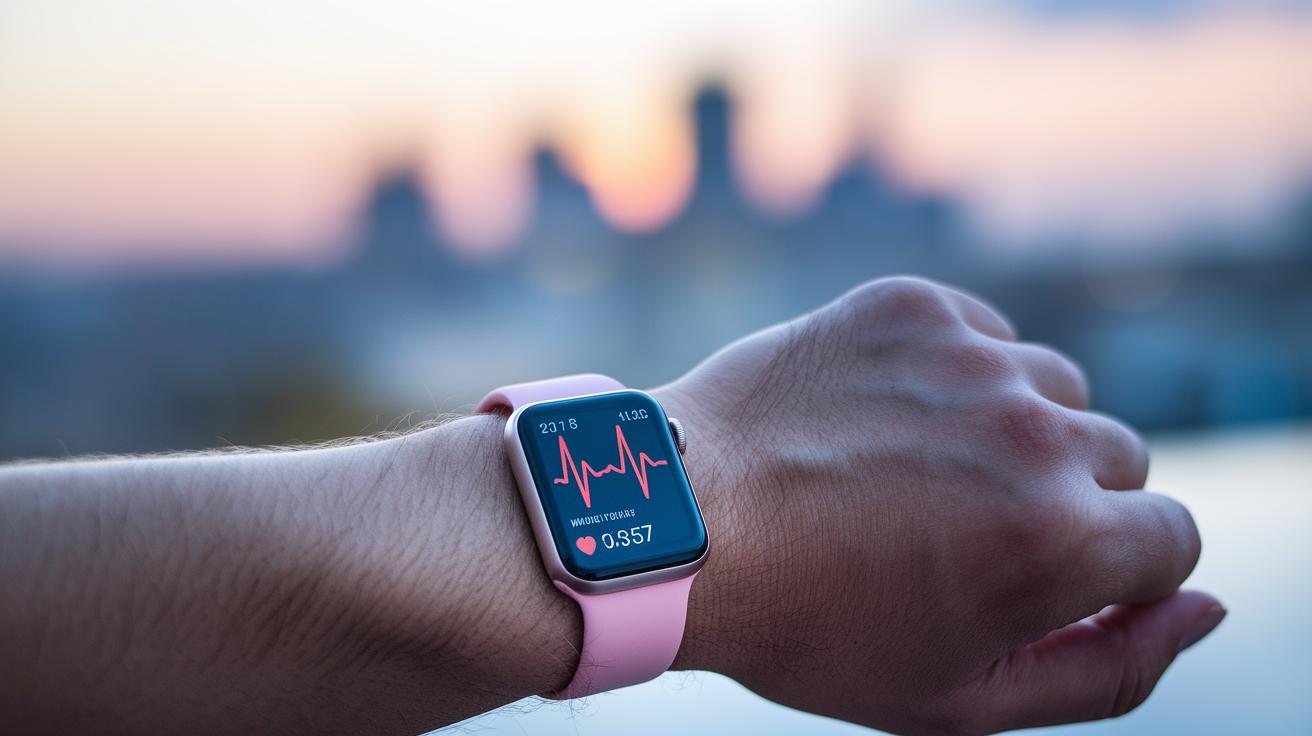
Wearable medical devices come in many shapes and sizes, all designed to help you keep an eye on your health. They can be as simple as a fitness band or as advanced as devices that check and record your vital signs throughout the day. From tracking your heartbeat and blood sugar levels to monitoring your blood pressure and oxygen saturation, these tools work well at home or even in clinical settings to support the care you need.
- Wearable ECG Monitors
- Continuous Glucose Monitoring Devices
- Smart Blood Pressure Monitors
- Digital Pulse Oximeters
- Fitness Trackers with Clinical Sensors
- Integrated Activewear (sensor-embedded garments)
- Medical Alert Wearables for Seniors
Wearable ECG Monitors
Wearable ECG monitors come in various forms, like lightweight patches or built-in sensors on smartwatches. They send heart rhythm data straight to a connected device in real time. Think about consumer-friendly options, like the Apple Watch, which are easy to use, alongside more advanced clinical monitors offering extra precision for medical needs. These monitors help both you and your doctor keep a close watch on your heart throughout the day.
Continuous Glucose Monitoring Devices
Continuous glucose monitoring devices work by placing small sensors just under the skin to track blood sugar levels every day. For example, some systems even sound an alarm if your sugar levels stray too far from your target range. This steady flow of information can really help in managing diabetes by guiding your food choices and treatments, making it easier to keep your blood sugar in check.
Smart Blood Pressure Monitors
Smart blood pressure monitors come in both cuffless and traditional cuff designs. The cuffless models are designed to keep things comfortable, while the traditional cuffs usually offer more accurate readings. These devices are made for easy home use and remote monitoring by your healthcare team. They show both the top (systolic) and bottom (diastolic) numbers, which lets you track any changes over time and catch fluctuations early.
When you choose a wearable device, it’s good to think about which health numbers matter most to you. Factors like how accurate the readings are, how comfortable the device feels, and how it fits into your overall health care routine all count. The right wearable can really support your health goals, whether you need detailed monitoring for a chronic issue or just a simple way to stay on top of your wellness.
Integration of Wireless Clinical Sensors in Medical Wearables
Today’s smart wearable gadgets come with built-in clinical sensors that keep track of key health signs, like your heartbeat and oxygen levels. They work by using Bluetooth or Wi-Fi to send your information all the time, which helps build a real-time network that monitors your health. Imagine your ECG patch, glucose sensor, and pulse oximeter all working in tandem, feeding data into one central system. This smooth flow of information is an important part of the Internet of Medical Things, making sure your healthcare team is always updated on how you're doing.
Remote sensors make a big difference by letting doctors check on your vital signs from far away. Because your info is sent immediately, they can spot changes fast and adjust treatments without needing you to come in person. This quick sharing of data helps catch potential issues early and makes it easier to customize your treatment. Plus, blending information from different sensors gives a clearer picture of your health, improving how accurately any issues are diagnosed, and ultimately keeping you safer and more comfortable.
| Sensor Type | Connectivity | Data Type | Typical Use |
|---|---|---|---|
| ECG patch | Bluetooth/Wi-Fi | Heart rhythm | Cardiac monitoring |
| Glucose sensor | Bluetooth/Wi-Fi | Blood sugar | Diabetes management |
| Pulse oximeter | Bluetooth/Wi-Fi | Oxygen saturation | Respiratory monitoring |
| Blood pressure cuff | Bluetooth/Wi-Fi | BP readings | Hypertension tracking |
Regulatory Pathways for FDA Approved Wearable Medical Devices

Wearable health devices come under different FDA rules depending on how risky they are. Some gadgets go through a process called 510(k) clearance. This means the maker shows that their device is similar to others already available. Other devices may follow the De Novo route if they are new and have low to moderate risk. These methods help ensure that every device is safe and works well as digital health continues to grow.
Manufacturers must prove their claims with solid clinical trials, careful performance tests, and thorough documentation. They need to back up every claim with real clinical data and follow strict quality rules. This careful testing guarantees that these wearables can monitor vital signs and give accurate health information both for everyday use and in hospitals.
Creating digital health products can be really challenging. Innovators must balance exciting new features with tough FDA rules. Developers work hard to meet clinical standards while pushing technology to offer even better care. For more tips on these guidelines, check out the medical device regulation page at https://factchx.com?p=541.
Protecting Data Security and Privacy in Medical Wearables
Medical wearables gather private details about your body, so keeping your data safe is really important. Think about a situation where your health readings might be seen without your permission. It makes you wonder, who is really in charge of your information? These are real worries, and we need to make sure data ownership is handled with care.
Encryption and secure wireless methods work hard to keep your health data safe while it travels from your device to a network. Imagine your data wrapped up like a secret letter inside an envelope that only trusted people can open. This digital safety net is made of secure firmware updates and network protections, acting like locks to stop any sneaky intrusions.
To meet strict rules like HIPAA (a law that protects patient privacy) and GDPR (a set of rules from Europe to protect your data), developers follow clear guidelines. They perform regular security checks, set tight access controls, and keep detailed records of how data is handled. Routine software updates, thorough testing for weak spots, and clear privacy policies all add up to a system that both patients and providers can trust.
Market Trends and Future Outlook for Wearable Medical Devices
The world of wearable medical devices is growing fast as new innovations and smart investments light the way. Experts say the market could hit $69.2 billion by 2028, thanks mostly to improved sensor technology and reliable wireless connections. Investors are cheering for companies that mix simple, user-friendly design with powerful health monitoring tools. This growth comes on the heels of a stronger focus on personal wellness and fewer trips to the hospital. Plus, with more money spent on digital health and a growing older population, these devices are finding their place in both clinics and our homes.
Artificial intelligence and machine learning are changing the game by turning these wearables into true health partners. They can check your real-time data and offer tips based on your unique patterns. Sometimes, small changes in your vital signs can mean something’s off, and this smart tech helps catch problems early. For example, AI can spot unusual readings and even suggest changes in your daily habits. It’s pretty amazing how these tiny gadgets have become such helpful tools for both patients and healthcare workers managing chronic conditions.
New trends are pointing to even smarter, more connected healthcare. We’re seeing wearable devices team up with telehealth services, so your data can be sent straight to your doctor for a quicker consultation. On-device analytics mean that these gadgets don’t always need big computers to do their job, which speeds up decision-making. And with next-generation sensors getting smaller yet delivering clearer data, we’re on the brink of a whole new wave of remote monitoring and personalized care.
Choosing the Right Wearable Medical Device for Your Needs
When you’re on the lookout for a wearable medical device, think about a few key points: how accurate it is, how comfortable it feels on your wrist all day, how long its battery lasts, and how easily it shares data with your main health system. Picture a device that checks your heart rate and other important signs with near-clinical precision, yet feels as light and gentle as a cool, friendly band on your wrist.
A clear display and simple controls make it easy to read your health stats, almost like glancing at a friendly note. And, of course, a battery that lasts through your busiest days is a must. When your device can update your health records in real time, it saves you the hassle of manual syncing. For instance, imagine a sensor that automatically sends its data to your health app so you never miss a beat.
It’s also important to match the device to your personal health needs. If you’re managing a chronic condition like diabetes, you might benefit from a sensor-guided patch that helps deliver insulin exactly when you need it. Seniors might find comfort in medical alert wearables that quickly signal for help in emergencies. Those in rehabilitation could see great benefits from assistive tools, like sensor-guided gloves that track muscle movements to support recovery.
By taking into account details like measurement accuracy and ease of use, you can pick a wearable that fits into your life seamlessly, whether it’s for everyday health monitoring, extra safety for seniors, or crucial recovery support.
Final Words
In the action, we explored how wearable medical devices work, from tracking vital signs in real time to meeting careful regulatory checks. We broke down different types like ECG monitors, smart cuffs, and glucose sensors to show their practical benefits. The content cut through technical lingo so you understood each device's role in daily health management. By embracing these simple tools, you can feel more confident and secure on your path to a healthier, happier life.
FAQ
What are some examples of wearable medical devices?
The examples of wearable medical devices include ECG monitors, continuous glucose monitors, smart blood pressure cuffs, digital pulse oximeters, and fitness trackers that provide real-time health data.
What are some top wearable health devices?
The top wearable health devices often feature innovative smartwatches and sensor-enabled garments that track vital signs, helping users monitor their health both at home and in clinical settings.
Which companies lead in wearable medical devices?
The companies leading in wearable medical devices range from major tech firms to specialized medical innovators focused on creating FDA-approved, sensor-integrated products that support remote patient monitoring.
What does the future hold for wearable technology in healthcare?
The future of wearable technology in healthcare promises exciting advances like AI-driven analytics, predictive diagnostics, and seamless telemedicine integration, all aimed at personalized patient care.
What characterized wearable medical devices in 2022?
Wearable medical devices in 2022 were marked by sharper sensor accuracy, enhanced connectivity via IoMT, and user-friendly designs that advanced remote monitoring capabilities.
What are the benefits of wearable technology in healthcare?
The benefits of wearable technology in healthcare include real-time health monitoring, early detection of issues, personalized treatment plans, and a reduced need for frequent in-person visits.
What are the disadvantages of wearable technology in healthcare?
The disadvantages of wearable technology in healthcare involve concerns about data privacy, occasional sensor inaccuracies, limited battery life, and reliance on stable wireless connectivity.
What exactly are wearable devices?
Wearable devices refer to compact health monitors designed for on-the-go use, tracking metrics like heart rate, temperature, and physical activity, and offering continuous, real-time data insights.
What is considered the best medical wearable device?
The best medical wearable device depends on individual needs, but many look for those with accurate sensors, reliable connectivity, and user-friendly interfaces that simplify health monitoring.
How much do wearable medical devices typically cost?
The cost of wearable medical devices varies, usually starting at a few hundred dollars for basic models and increasing for advanced, FDA-approved devices with specialized features.
What are wearable devices mostly used for?
Wearable devices are mostly used for tracking vital signs and fitness metrics, serving both clinical applications and personal health management with continuous real-time monitoring.
What is a wearable device, and can you give an example?
A wearable device is a portable health monitor that tracks metrics such as heart rate; an example is a smartwatch equipped with ECG capabilities that offers immediate health insights.


