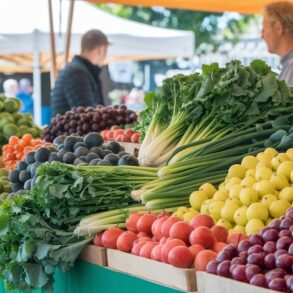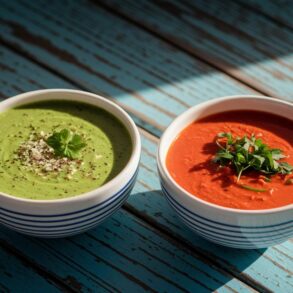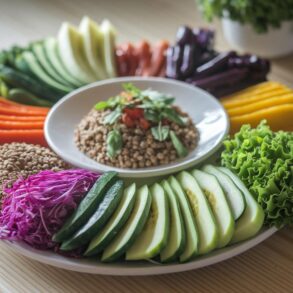

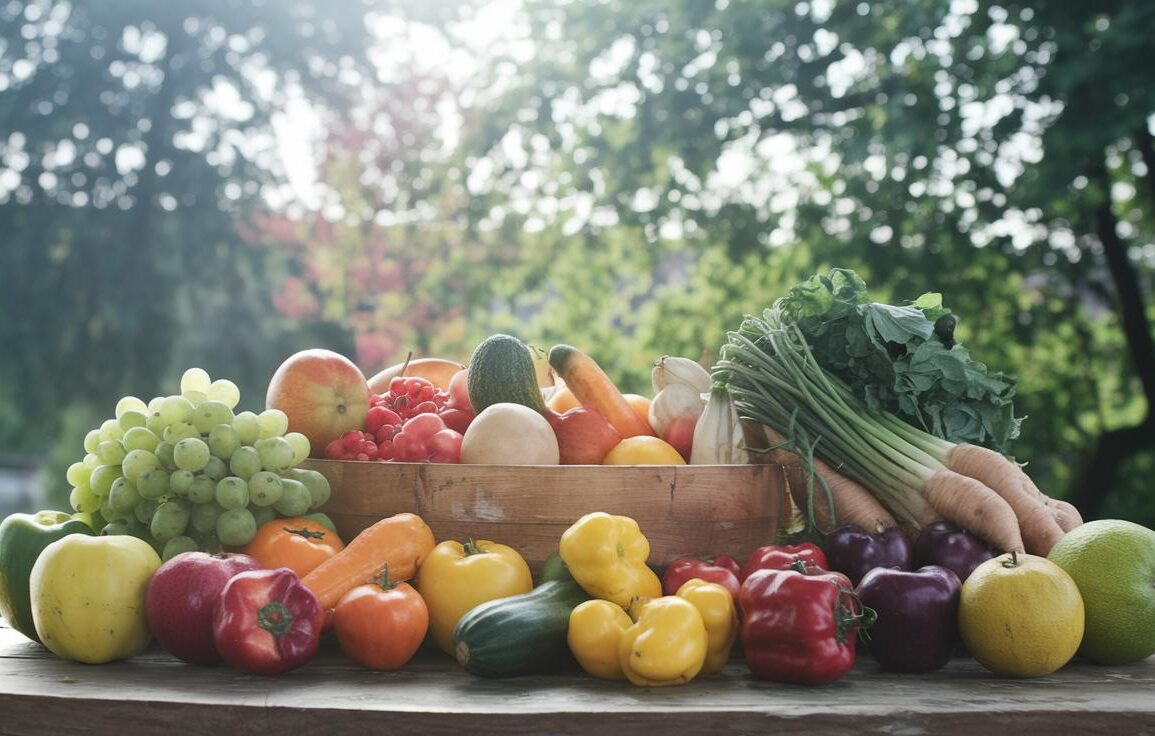
Have you ever thought that what you eat might actually change how you feel each day? Whole foods are all about getting back to nature, eating food in its pure, untouched form. Think of it like enjoying the crisp snap of a fresh apple straight from the tree instead of biting into a processed snack. Choosing natural foods can make your meals more vibrant and give you a real boost of energy. With so many extra additives in our diets these days, going back to whole foods might just be the easy trick to feeling better.
What are whole foods: Healthy Choices Shine
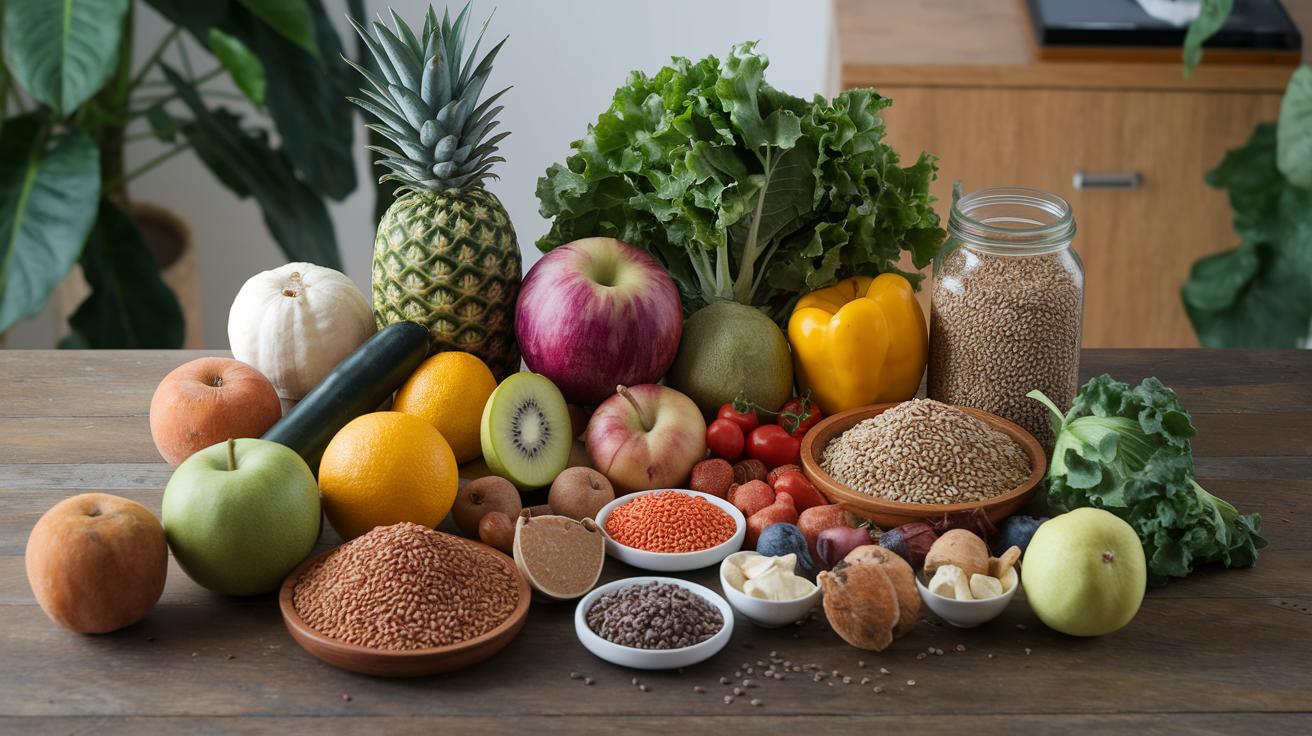
Whole foods are nature’s original gifts, kept as close to their natural state as possible. They come in their pure, nutrient-packed form with no extra sugars, salts, or preservatives. You get all the vitamins, minerals, and fibers that nature packed into them when they were growing. Think of plucking an apple straight off a tree or gathering grains that haven’t been processed into fine flour. It’s a big contrast to foods that go through extra work just to last longer or change their texture.
Everyday, choosing whole foods is a tasty and easy decision. When you opt for these natural choices, you’re enjoying food in its complete, healthy form. Try adding fresh fruits, vegetables, and whole grains to your meals. With every bite, you’re feeding your body the good stuff it needs. Picture starting your morning with a crisp orange or a bowl of hearty whole-grain cereal, it sets a wholesome tone for the day.
The real charm of whole foods is that they offer more than just great flavor. Minimal processing means they keep all the natural benefits intact. This way of eating is simple yet powerful, building a foundation for lasting healthy habits. Choosing whole foods shows that you care about both taste and well-being, making every meal a true celebration of nature’s goodness.
Whole Foods Nutritional Benefits: Natural Health Advantages and Integrity
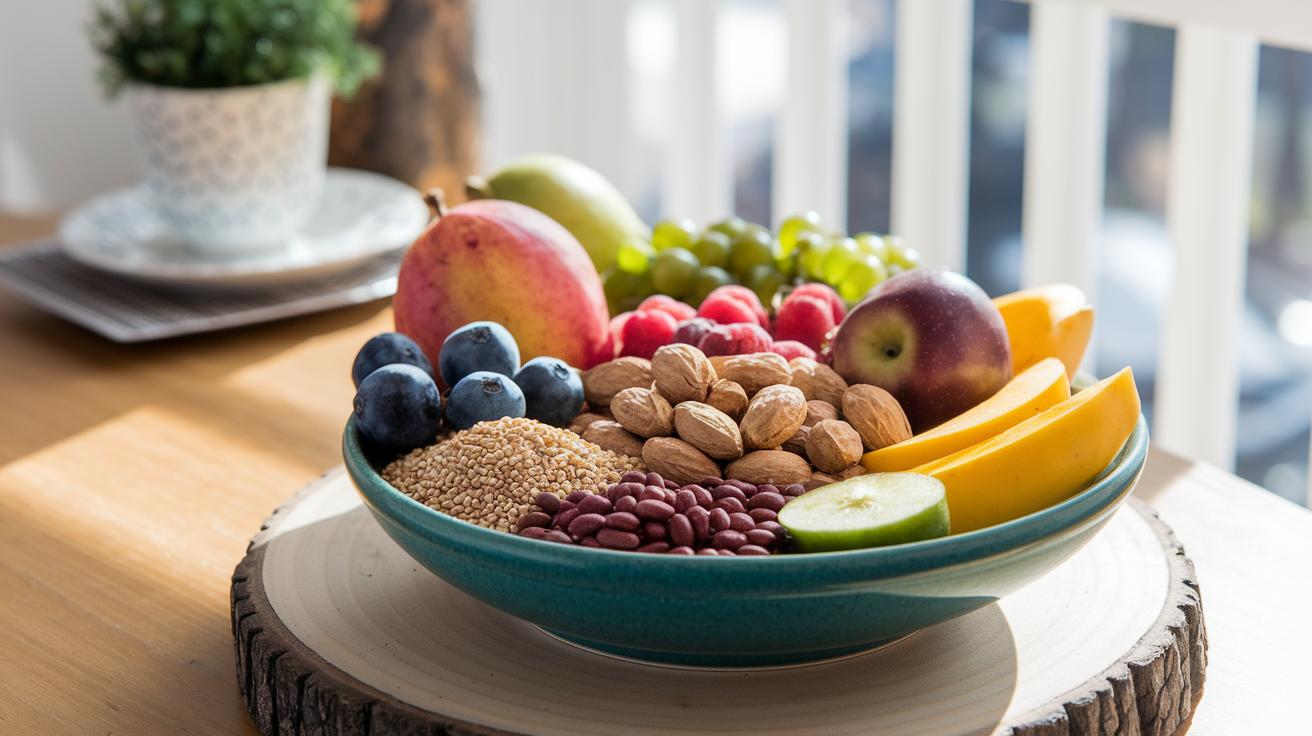
Whole foods set off natural reactions in your body, making it easier to use the good stuff. Vitamins and minerals turn into energy and help fix your cells. It’s like a building project where every nutrient adds strength to your body. For example, research shows that the antioxidants in blueberries work like a natural shield, protecting your cells over time.
New studies point out that antioxidants and vitamins in whole foods might lower the risk of long-term illnesses. Experts agree that these nutrients do more than just give you energy, they also boost your body’s natural defenses. That’s why scientists are focused on how these processes help you feel better over time.
Compared to processed foods, whole foods really stand out. They keep all the natural benefits that often vanish during industrial processing. Think of a fresh Mediterranean salad with its colorful mix of ingredients that support smooth digestion and balanced blood sugar levels. Whole foods pack a powerful mix of:
- vitamins
- minerals
- fiber
- antioxidants
Whole Foods in Daily Life: Meal Planning and Integration Strategies
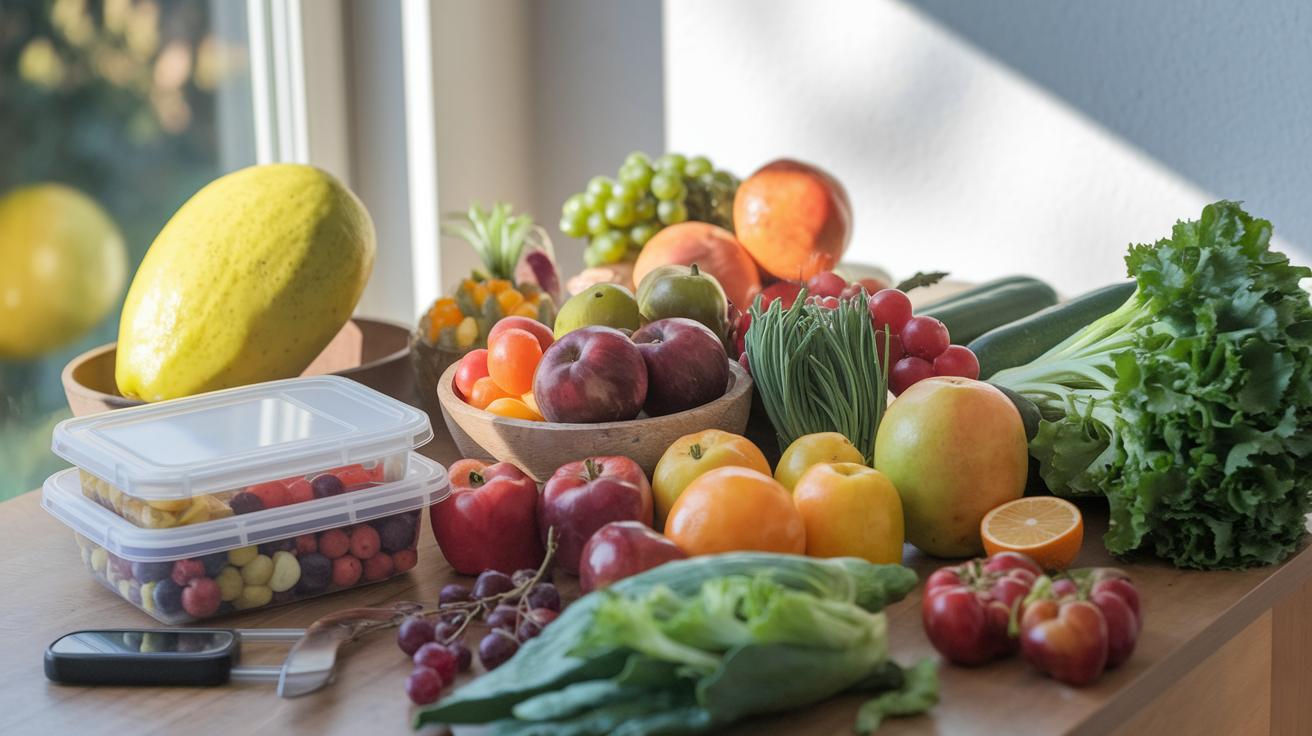
Adding whole foods to your meals is an easy way to boost your health for the long run. It means choosing fresh, unprocessed foods that stay true to nature. When you fill your grocery cart with fruits, veggies, whole grains, and beans, you're setting yourself up for a naturally nutrient-rich diet. It’s all about keeping things simple, tasty, and healthy.
Meal planning doesn’t have to be a chore, it can be both practical and fun. One neat trick is to sort your recipes by meal. For example:
- Breakfast: Think of a veggie-packed omelet served with a zesty orange to start your day right.
- Lunch: How about a vibrant salad full of mixed greens, crisp apples, and crunchy walnuts for a light, satisfying meal?
- Dinner: Imagine a warm quinoa bowl, loaded with steamed veggies and a splash of olive oil for energy and flavor.
Switching to whole, minimally processed foods can make your daily routine a lot less stressful. Once you build a simple plan that works, meals feel more nourishing and enjoyable. Taking these small, easy steps makes healthy eating feel totally achievable.
Whole Foods vs Processed Foods: Comparing Nutritional Integrity and Composition
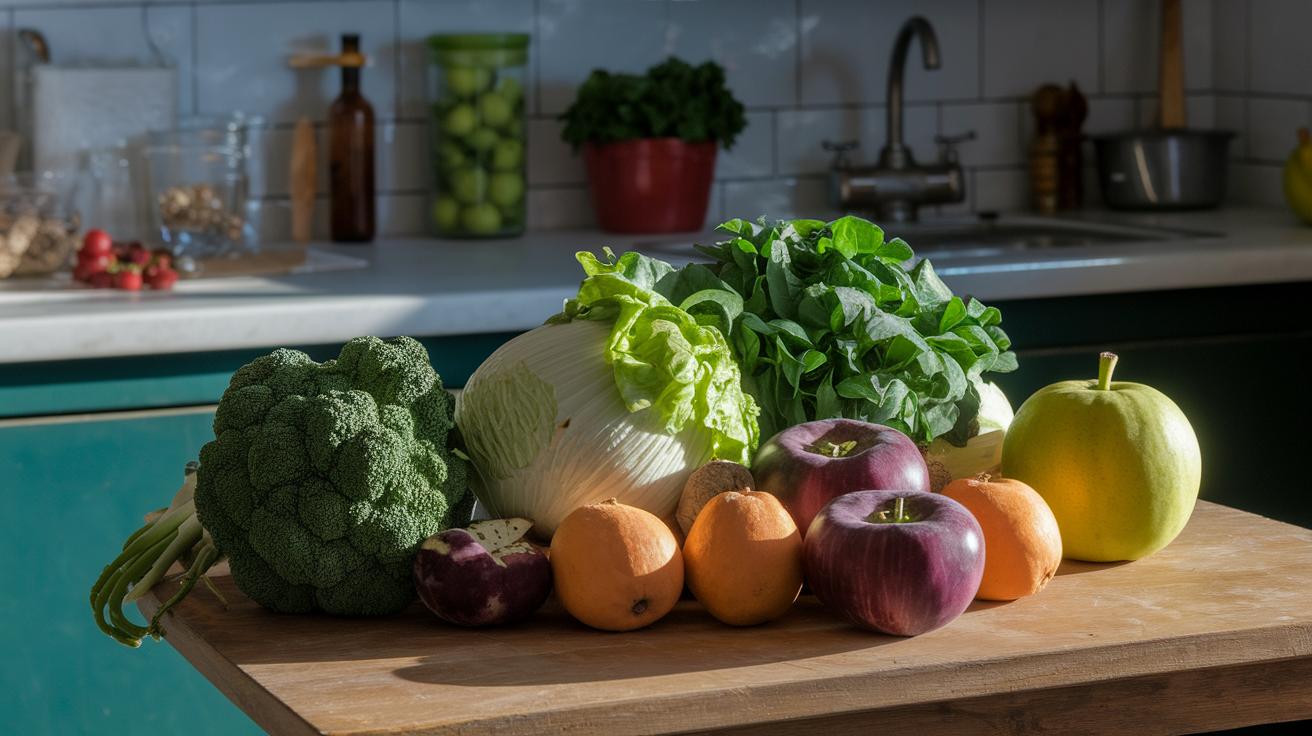
Whole foods are as close to nature as you can get. They come packed with all their natural nutrients – no extra sugars, salts, or preservatives added. When you choose whole foods, you're letting nature do its job, keeping every bit of goodness just the way it was meant to be.
Processed foods, however, go through extra steps during manufacturing that add new ingredients. Think about how, back in the 1880s, refined wheat flour started to change our diets. Today, processed foods make up about 63% of many American meals. These extra steps can take away helpful vitamins and fibers that your body really needs.
| Food Type | Key Characteristics |
|---|---|
| Whole Foods | All natural nutrients, no extra sugars, salts, or preservatives. |
| Processed Foods | Some nutrients preserved, but extra ingredients might reduce overall benefits. |
| Ultra-Processed Foods | Highly refined with artificial additives and preservatives. |
When you pick whole foods over processed ones, you’re making a choice that sticks to natural, nutrient-rich options. It’s like updating your phone – keeping the good parts and skipping the junk. This approach can really boost your well-being and help you stay balanced every day.
Embracing Whole Foods: Sustainable Practices and Lifestyle Integration

Living a whole-foods lifestyle means keeping things natural, choosing ingredients that come as they are, without any extra fuss. It’s like eating a simple home-cooked meal, fresh and straightforward, which is great for both your health and the planet. By sticking to foods in their unprocessed form, you honor the basics of a wholesome, organic diet while also doing your part for an eco-friendly world.
Small tweaks in how you shop and cook can make a big difference. Start by picking foods that are in season and grown nearby. Not only do these farm-fresh items burst with genuine flavor, but they also cut down on long journeys in transport and excessive packaging. Here are a few easy steps you can follow to embrace sustainable eating:
| Step | Description |
|---|---|
| Local Produce | Buy food grown near your home for freshness and reduced transport impact. |
| Seasonal Eating | Enjoy fruits and veggies in their natural growing season for peak flavor. |
| Organic Choices | Select organic items to avoid added chemicals and maintain natural goodness. |
Making whole foods a regular part of your day is as simple as rethinking your grocery list and meal prep habits. Try planning weekly menus that mix a range of fresh fruits, veggies, and legumes with minimal processing. This down-to-earth approach not only sticks to organic diet basics but also turns every meal into a celebration of pure, natural nourishment. By choosing these simple, steady steps, you’re investing in a lifestyle that benefits your body and nurtures our planet.
Final Words
In the action, we explored how whole foods offer natural nourishment by keeping foods in their original, nutrient-rich state. We examined their nutritional benefits, practical meal planning strategies, and compared them to processed alternatives using simple examples. We also touched on sustainable eating practices that align with modern, eco-friendly lifestyles.
These insights shed light on what are whole foods and their role in modern, efficient, and secure digital communication for a healthy lifestyle. Keep embracing nutrition with real, natural ingredients for a brighter tomorrow.
FAQ
What are whole foods examples and what should I eat when following a whole foods diet?
Whole foods examples include fresh fruits, vegetables, whole grains, nuts, and seeds. They are unprocessed items in their natural state that provide rich, essential nutrients.
How can beginners start incorporating whole foods into their meals?
Whole food eating for beginners means starting with simple items like fruits, veggies, lean proteins, and whole grains. Begin with small, easy recipes to shift gradually toward natural, unrefined nourishment.
What do discussions about whole foods on Reddit focus on?
Whole foods discussions on Reddit often center on sharing meal ideas, recipe tips, and personal experiences with unprocessed diets that highlight nutrient-rich, natural ingredients.
What does a whole foods list for weight loss typically include?
A whole foods list for weight loss typically includes lean proteins, fresh fruits, vegetables, and whole grains. These items naturally provide energy while keeping you full and fueling balanced eating.
Is meat, like steak, considered a whole food?
Meat such as steak is considered a whole food when it’s unprocessed or minimally processed. It supplies protein and essential nutrients without added sugars, salts, or preservatives.
Is bread considered a whole food?
Bread qualifies as a whole food only when it’s made entirely from whole-grain ingredients without refined flours, additives, or preservatives, ensuring it remains nutrient-rich.
Is Greek yogurt considered a whole food?
Greek yogurt is considered a whole food if it contains only cultured milk with no added sugars or artificial ingredients, keeping its natural nutrient profile intact.
Is chicken a whole food?
Chicken is considered a whole food when it is fresh and unprocessed, or simply prepared without additives, providing lean protein along with natural nutrients.