
Have you ever considered that the food on your plate might brighten your day? Whole, plant-based foods offer more than just a meal, they give you a fresh burst of energy and a new way of living.
Imagine biting into a crunchy apple or feeling the smooth, creamy texture of avocado. These natural flavors remind you of nature's best gifts. This way of eating isn't about strict rules. Instead, it's about making simple, everyday choices that truly nourish your body.
Each bite invites you to enjoy life a bit more. Embrace the idea that healthy food can lead to a life filled with vitality and ease.
Core Principles of a Whole-Foods, Plant-Focused Lifestyle
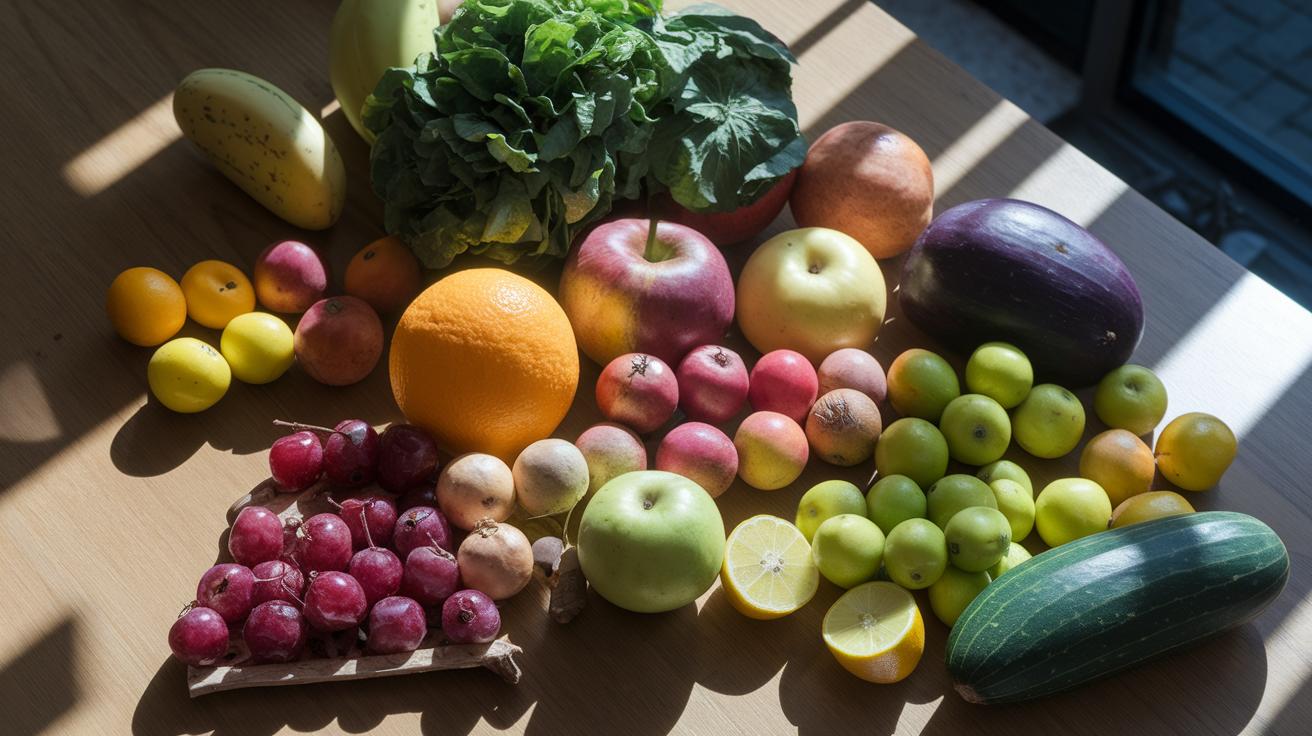
Whole-food, plant-focused eating embraces nature's pure gifts. It’s all about enjoying fruits, veggies, whole grains, legumes, nuts, and seeds just as nature provides them. Drawing inspiration from traditional Mediterranean and vegetarian habits, this approach relies on simple, minimally processed ingredients instead of heavily processed foods. Imagine the crisp snap of a fresh apple or the smooth cream of mashed avocado, sounds pretty delightful, right? It’s more about finding a balance that works for you rather than sticking to a strict plan. Essentially, it’s about building everyday habits that let you savor food in its true, natural form.
There are so many benefits to this way of eating. It fills you up with essential vitamins and minerals, naturally helps manage your weight, and even gives a little nod to supporting our environment. Picture a day where every meal nourishes both your body and the planet. With whole-food, plant-based choices, you’re not just eating, you’re fueling your day with vibrant energy and well-being. In this way, this philosophy presents a warm invitation to a more balanced and joyful lifestyle, enhancing everything from digestion to the excitement of discovering new flavors while honoring the natural rhythms of the Earth.
Nutritional Advantages of Whole Plant-Based Foods
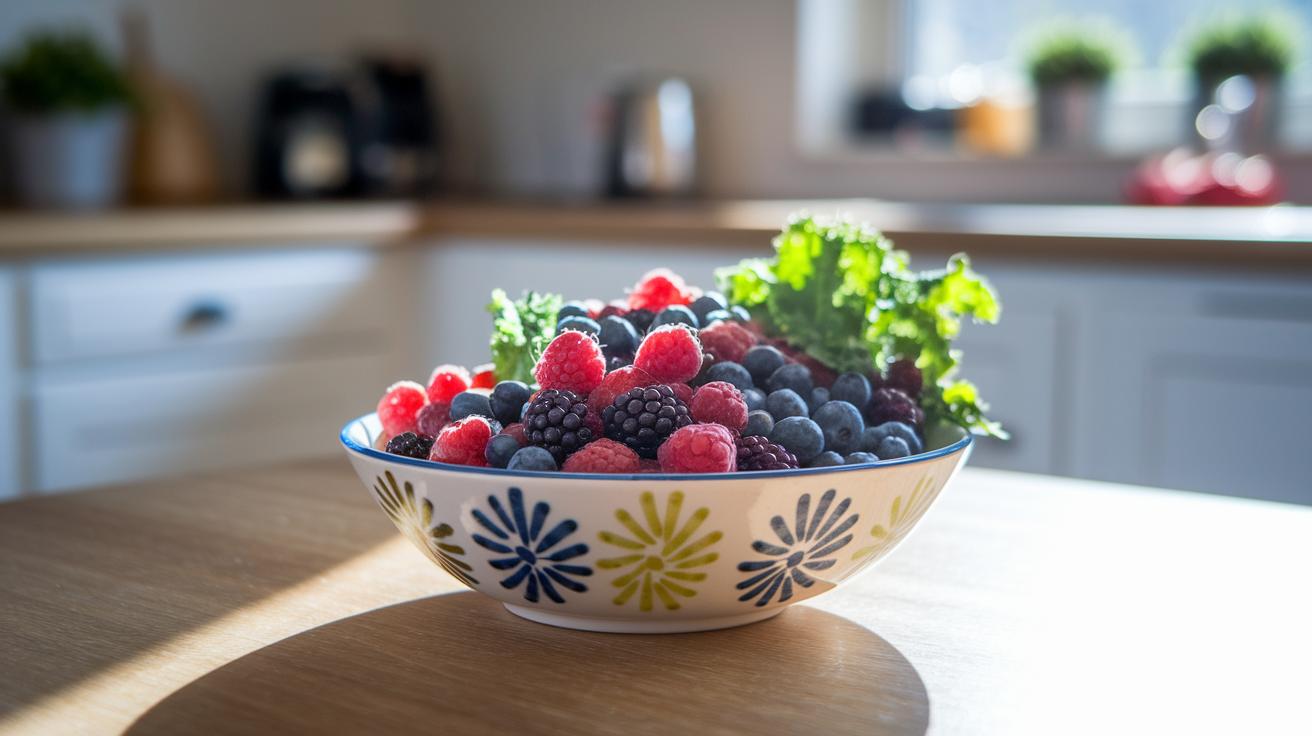
Whole plant-based foods deliver a big boost of nutrients with every bite. They offer a mix of natural goodness that can help your digestion, strengthen your immune system, and even ward off long-term health problems. For example, imagine the fiber in beans and whole grains sweeping through your gut like a gentle broom, or antioxidants in berries and leafy greens protecting your cells from daily stress. Every meal can be both delicious and good for you.
| Nutrient | Plant Source | Benefit |
|---|---|---|
| Fiber | Legumes, whole grains | Helps keep your digestion smooth and fills you up |
| Antioxidants | Berries, leafy greens | Protects your cells from harm |
| Healthy Fats | Avocado, nuts | Supports a healthy heart |
| Protein | Legumes, seeds | Helps build and repair your body |
| Micronutrients | Leafy greens, fruits | Gives your immune system a boost with essential vitamins |
Including these healthy ingredients in your day can be as simple as sprinkling berries over your morning bowl or tossing a handful of nuts into your salad. Imagine each meal as a chance to give your body a balanced mix of fiber, antioxidants, healthy fats, protein, and vitamins that all work together to make you feel your best.
Key Plant-Based Whole Foods to Stock Your Kitchen

Filling your kitchen with plant-based staples is a simple way to boost your health and enjoy delicious meals. When you keep easy-to-use, whole foods around, making a meal that shows off the fresh flavors of fruits, veggies, grains, and more becomes something you can look forward to. It’s like giving yourself a little gift every time you cook.
Here are some must-have items:
- Fresh berries – they bring a natural sweetness and help protect you with antioxidants.
- Citrus fruits – oranges, lemons, and similar fruits brighten up any dish.
- Leafy greens – spinach and kale are great sources of vitamins.
- Whole grains – quinoa and brown rice provide lasting energy.
- Legumes – lentils and chickpeas supply good plant protein.
- Nuts – for that extra crunch and healthy fats.
- Seeds – flax and chia add fiber and essential nutrients.
- Seasonal vegetables – check out this guide for a balanced diet with seasonal foods (https://healthlystats.com?p=1669).
- Herbs – fresh basil or cilantro can transform the flavor of your dish.
- Healthy oils and spices – olive oil and turmeric not only enhance taste but also boost wellness.
Switching up these seasonal picks keeps your kitchen exciting. Fresh produce lets you savor different flavors all year, helping you enjoy a colorful, varied diet while supporting your overall well-being.
plant based whole foods: Radiantly Healthy Living

Planning your meals can be a really fun and simple way to brighten your day. Picture each meal as a brush stroke adding lively color to your daily canvas. By using a loose routine inspired by Mediterranean and vegetarian ideas, you set up a plan that not only packs delicious taste but also fuels your body all day long. It’s a strategy that keeps you energized and makes every bite feel varied and satisfying.
Breakfast
Kick off your morning by imagining a warm bowl of oatmeal that sparks your creativity. Think about a creamy mix of rolled oats, crunchy walnuts, fresh banana slices, and a gentle dusting of cinnamon. You can switch up the fruits or nuts each time, making every breakfast feel both comforting and new.
Lunch
For lunch, try building a Greek-style salad bowl that you can easily adjust to your liking. Envision fresh, crisp greens with juicy tomatoes, briny olives, and a vegan twist on traditional feta, lightly dressed with balsamic. This quick, flexible dish not only fills you up but also gives your afternoon a refreshing burst of flavor.
Dinner
When it’s time for dinner, imagine enjoying grilled vegetable and tofu kabobs alongside a simple quinoa-spinach salad. The charred veggies and tender tofu blend into a meal that feels light yet satisfying. It’s a pleasant way to wrap up your day with a dish that really makes you smile.
Snacks
Keep your energy up with easy snacks like a crisp piece of fruit or a small handful of mixed nuts and seeds. These little treats are a tasty and convenient way to keep you nourished between meals.
Botanical Nutrient Recipes for Plant-Based Whole Foods

Give these nourishing recipes a try, they’re full of natural, whole ingredients that taste as good as they make you feel. We mix both raw and lightly cooked items to create fun layers of texture and flavor that support your health.
Vibrant Berry Chia Pudding
• Rolled oats
• Chia seeds
• Fresh mixed berries
• Unsweetened almond milk
• A drizzle of maple syrup
Here’s how to make it: First, mix the chia seeds, almond milk, and maple syrup in a bowl. Then, stir in the berries and oats until everything is well combined. Cover the bowl and let it chill in the fridge overnight. In the morning, give it another good stir and top it with a few extra berries to add a fresh, bursting flavor.
Hearty Lentil Chickpea Stew
• Lentils
• Chickpeas
• Diced tomatoes
• Pieces of carrot and celery
• A pinch of cumin and paprika
This hearty stew is simple. Toss all the ingredients into a pot with some water. Cook them slowly until the lentils and chickpeas turn tender and the flavors blend beautifully. Be sure to stir now and then to help the spices mix in.
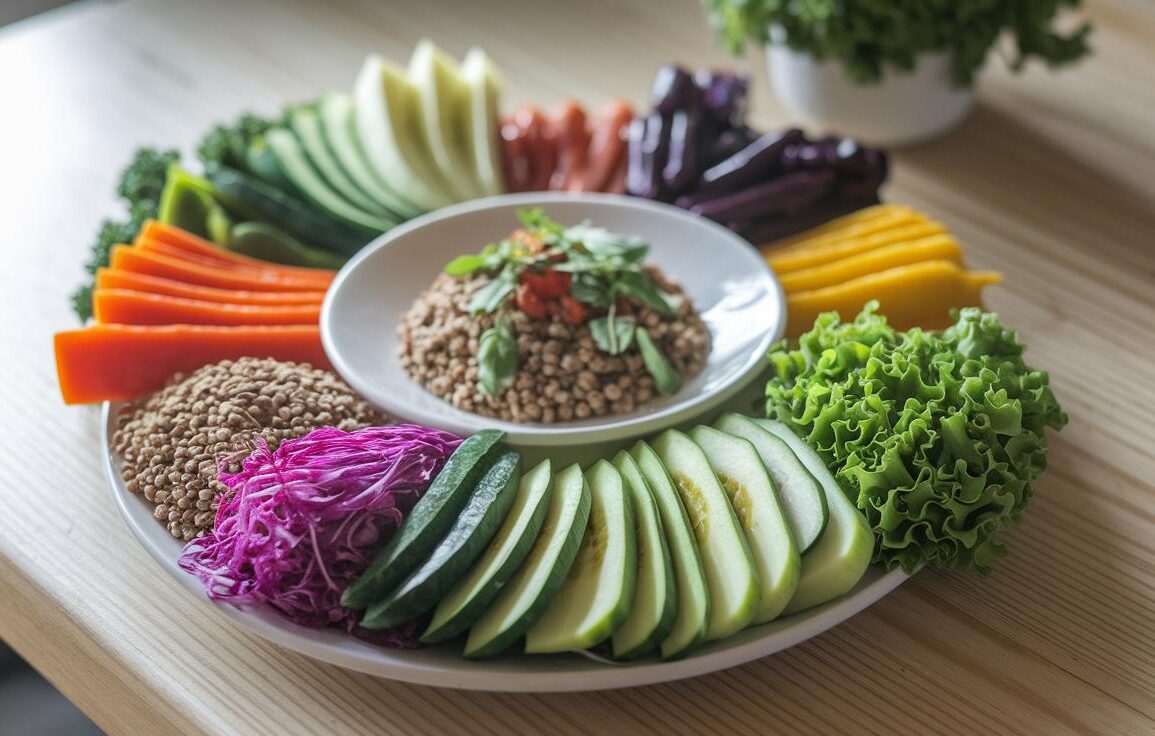
Rainbow Raw Wraps
• Shredded carrots
• Sliced bell peppers
• Fresh spinach leaves
• Avocado slices
• Sprouted seeds
For a zesty twist, mix in a simple dressing made of lemon juice and a dash of olive oil. Next, roll all the fillings into large green collard or soft tortilla wraps, making for a refreshing and light meal.
Feel free to switch up the fruits, veggies, or spices to match your taste and nutritional goals. Enjoy these recipes as a fun and healthful way to nourish your body!
Transition Tips for a Plant-Based Whole Foods Diet
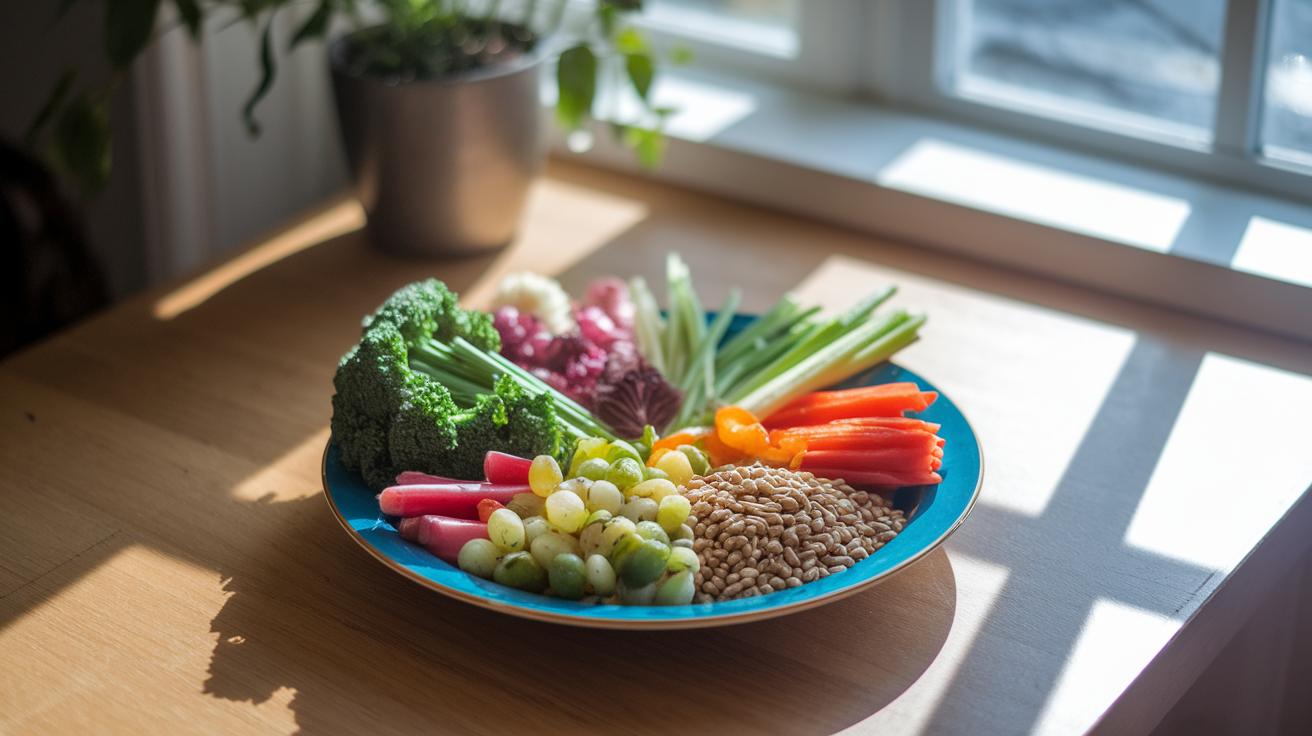
Changing to a plant-based whole foods lifestyle can be a gentle, enjoyable shift. Instead of trying to change everything all at once, start with small tweaks that easily fit into your routine. For instance, swap out one meal a day for a fresh, whole-food option, and then slowly add more fruits, veggies, and other less-processed items to your diet. This way, you can try new recipes and notice when you feel comfortably full, all at a relaxed pace.
- Replace one daily meal with a plant-based whole-food choice.
- Prepare simple recipes in batches to have quick meals ready.
- Check labels to steer clear of unwanted additives in processed foods.
- Eat mindfully to catch your body’s signals of fullness (learn more about mindfulness practices at Factchx.com?p=460).
- Use portion control by serving balanced, moderate amounts.
- Keep your meal plan flexible so it grows with your tastes.
Environmental and Health Impact of Plant-Based Whole Foods Eating
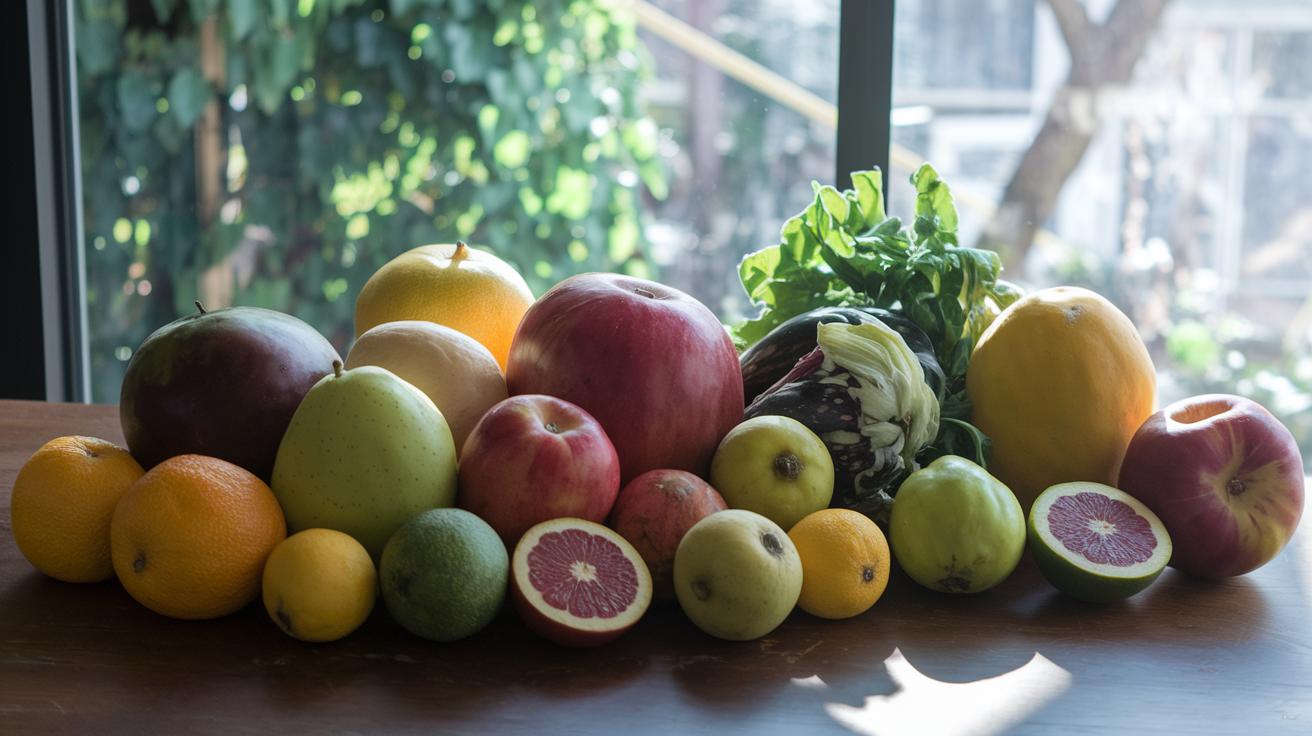
Choosing a plant-based whole foods lifestyle is like giving your body a gentle, natural hug while also looking out for our planet. Fresh fruits, veggies, legumes, and whole grains need fewer resources to grow than animal products. This means that by eating them, you're helping reduce our carbon footprint and supporting farmers who use less harsh methods. It's a small change that makes you feel good inside and helps our Earth thrive.
These whole, plant-based foods can do wonders for your health too. Studies often show that diets rich in these foods are linked to a lower risk of heart issues, type 2 diabetes, and some cancers. They’re full of vitamins, antioxidants, and healthy fats that calm inflammation and support your heart and immune system. Have you ever noticed how a crisp apple or a crunchy carrot can feel so refreshing? Eating these nutrient-rich foods regularly really sets you up for a healthier future.
By choosing whole, natural foods, you're taking a big step toward lasting well-being. This lifestyle not only boosts your energy but also eases the strain on our environment. It’s a simple yet powerful path to a balanced life where both you and the planet can flourish together.
Final Words
In the action, we explored a flexible approach to healthy eating that makes the most of plant based whole foods. We talked about the core ideas of whole-food, plant-focused living, featured nutrient-rich meal ideas, and shared easy transition tips for everyday life.
Each section offered a clear, down-to-earth look at a lifestyle that supports weight management, overall well-being, and sustainability. Keep enjoying the tasty, natural foods that fuel a healthy and vibrant life.