Have you ever noticed your mind never seems to rest? It’s easy to feel overwhelmed when your thoughts keep racing. Mindfulness could be the simple trick that brings calm back into your day.
Imagine taking a few slow, deep breaths before a meal. That small pause can snap you out of autopilot and help you feel more balanced. In this post you’ll learn what mindfulness means, how to use it in everyday life, and why a bit of calm and clear thinking can really change the way you feel.
Mindfulness Practices Overview: Definition, Scope, and Benefits
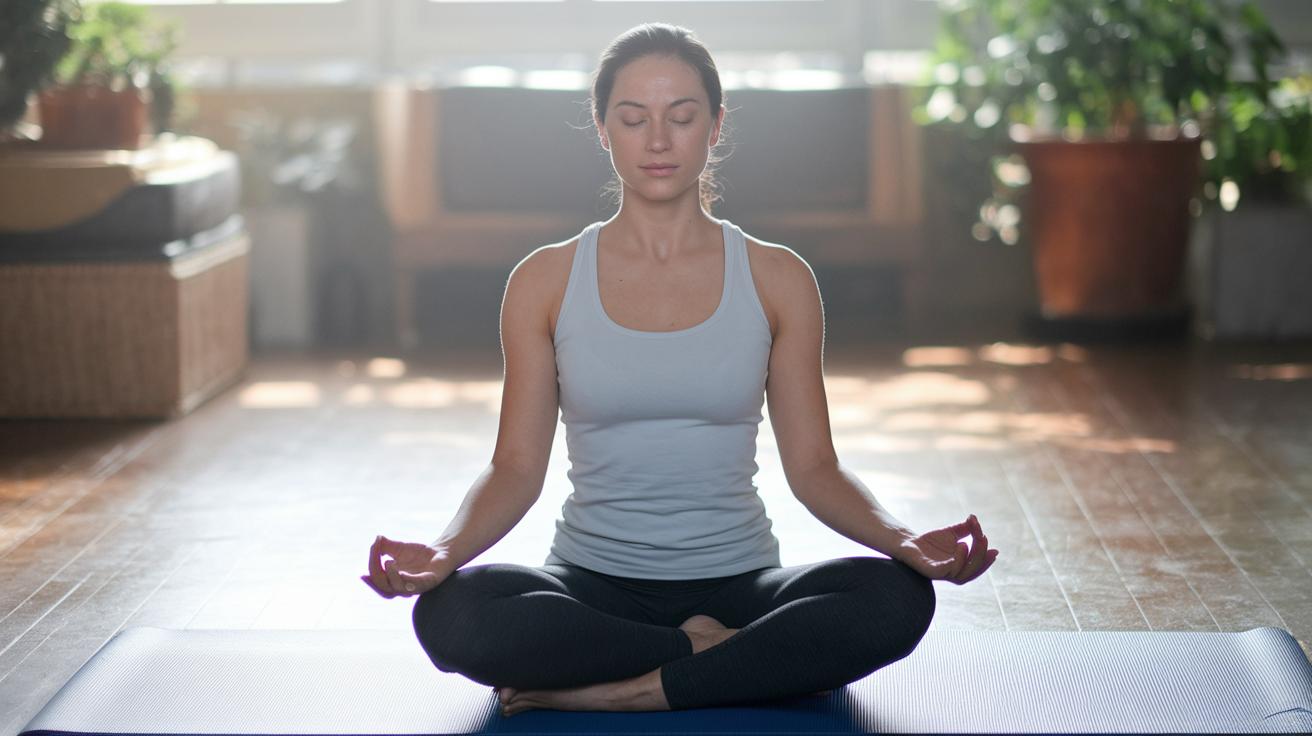
Mindfulness means being fully present in the here and now. It isn’t just about sitting down for formal meditation, it can happen when you’re eating, walking, or even driving. When you pay close attention to your thoughts, feelings, and sensations without judging them, you build self-awareness and feel better overall.
Every day, practicing mindfulness helps you move away from running on autopilot. It invites you to pause and really notice what’s happening right now. For example, before eating, try taking eight slow, deep breaths. This little pause lets you enjoy your meal calmly instead of rushing through it.
Studies, even back in 2007 and 2012, show that regular mindfulness practices can ease stress, improve sleep, balance emotions, and help you make decisions more clearly. The best part? Mindfulness is simple and open to everyone, whether you start with a short meditation or simply bring attention to everyday moments.
Most of our actions happen on autopilot, about 95% of the time. When you practice mindfulness, you gently steer your attention back to your actual experiences. This small shift can lower anxiety and bring clarity and balance to your daily routine. So why not try it? Enjoy the calm that comes with staying present and explore more tips for mental clarity on Total Mental Wellness.
Even simple changes, like savoring each bite of food or listening to the gentle sounds on a walk, can turn everyday moments into refreshing pauses of calm and clarity.
Mindfulness Meditation Techniques for Beginners
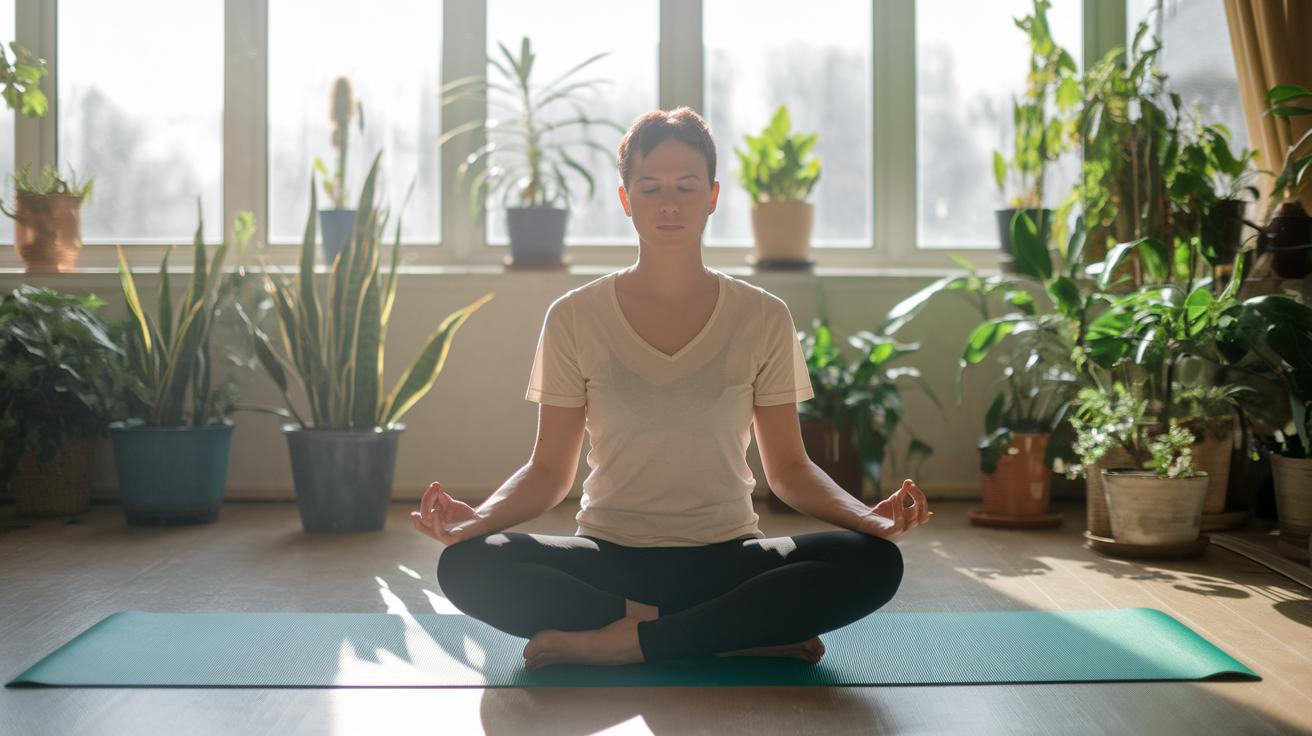
Start by picking a quiet, comfy spot where you won’t be disturbed. Sit or lie down for about 5 to 10 minutes. Then, try a simple breathing exercise. Close your eyes and feel the air coming in and going out. Notice each breath without trying to change it. Thoughts might pop in, just let them pass by without any judgment.
Another great trick is the body scan exercise. Begin at your feet, then slowly shift your focus up through your legs, your torso, your arms, and finally your head. As you notice sensations like warmth, tightness, or even a light feeling, just observe them without labeling them as good or bad. Start with a short session of five minutes and, if it feels right, slowly work up to twenty minutes over time.
Studies show that even brief moments of meditation can lower stress hormones (like cortisol) and help you relax. Regular, focused sessions boost self-awareness and bring a soothing calm to your body and mind. Keep at it each day, and you might find that these little moments of quiet build a peaceful and more balanced life.
Mindful Breathing Methods for Stress Relief
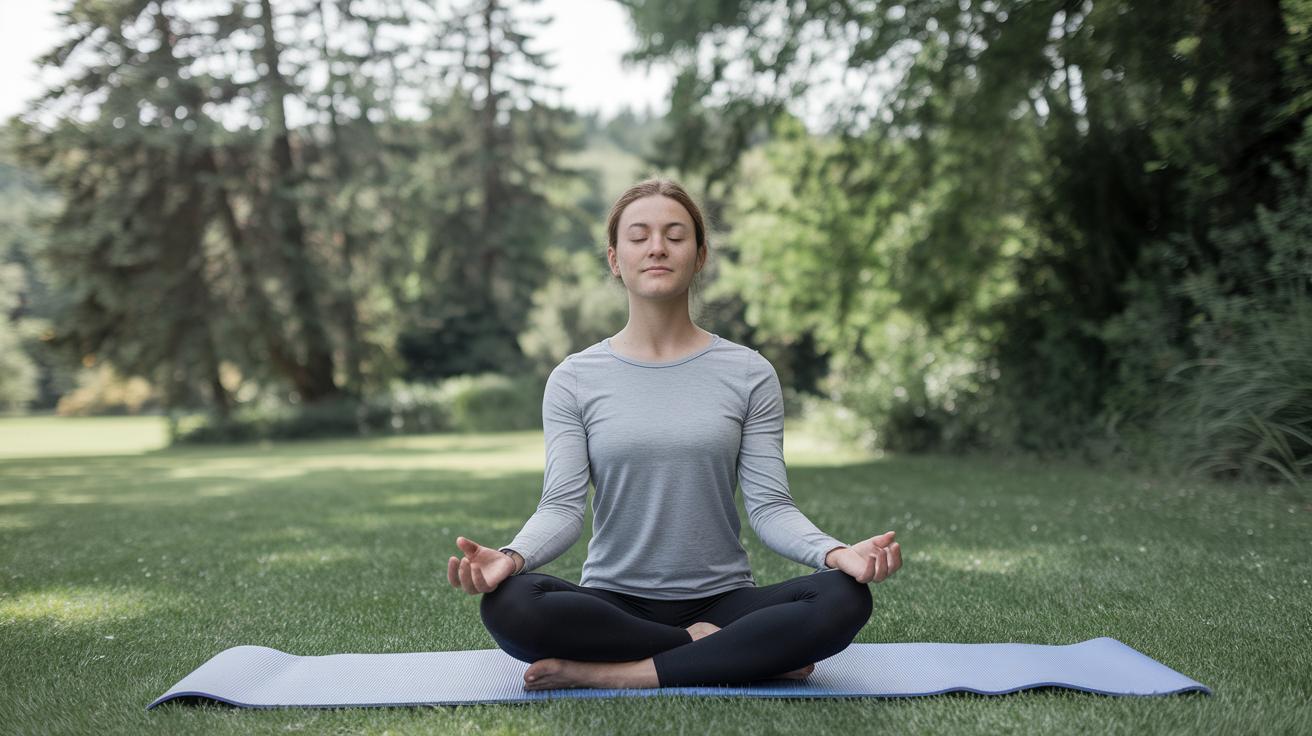
The 3-Minute Breathing Space has three simple steps. First, take a moment to notice how you feel and tune in to your body’s sensations. Next, focus only on your breath for three minutes. You might even think to yourself, "I notice my tension, and with every breath I take, I feel a little more at ease." Finally, gently broaden your awareness to include the sounds, smells, and calm that surrounds you.
This easy practice helps your body relax naturally. It can lower your heart rate and ease stress by reducing those stress hormones, while also giving your mind a break from its usual, automatic patterns.
Guided Session Techniques: Structured Mindfulness Practices

Group sessions are a friendly way to explore mindfulness deeper. One fun activity you might try is the Raisin Exercise. Imagine holding a tiny raisin, feeling its wrinkly surface, noticing its gentle sweetness, and even smelling it before you take a bite. This slow, careful tasting helps you focus, much like some well-known therapies help ease social worries.
Another great technique is Observer Meditation. With this method, you gently watch your thoughts as if they were soft clouds drifting by. You don’t have to grab onto these thoughts, just notice them and let them pass, like watching leaves on a stream.
There’s also a simple 3-Step Mindfulness Exercise you can try. First, pause for a moment. Next, describe what you are experiencing, using words that capture the very feeling of the moment. Finally, accept your experience just as it is. This easy process helps clear your mind and brings calm clarity.
And then, there’s the Five Senses Exercise. This activity invites you to use your senses one by one: first, look around; next, listen to the sounds; then, feel the touch of objects; follow that with a taste; and lastly, take in a smell. It’s a wonderful way to lift your focus off everyday thoughts and ground you in the here and now.
Using these mindful session techniques can turn everyday practice into a structured, calming experience that helps you learn more about yourself and find quiet peace.
Mindfulness Practices: Embrace Calm & Clarity

Begin your day with a gentle wake-up. The moment your eyes open, take several slow, deep breaths. This simple act connects your body and mind and sets a peaceful tone for the day ahead. Picture yourself saying, "I welcome calm with every breath." It’s a smooth transition from sleep to a relaxed state of alertness.
Then, try adding a mindful pause before meals. Just take a moment, maybe 8 or 10 deep breaths, before you dig in. As you do, really notice the scent, texture, and taste of your food, like the cool crunch of a fresh apple on a sunny day. Suddenly, eating becomes a cherished, calming ritual rather than a rushed habit.
At busy times, carve out a moment of stillness. Between meetings or during a brief break, take a minute to center yourself. And when you exercise, whether cycling, dancing, or swimming, focus on the feel of your muscles moving and the steady rhythm of your breathing. This simple awareness transforms physical activity into a mindful experience.
Lastly, try practicing mindfulness while driving. When traffic slows, use that time to check in with your surroundings and your feelings. Even a small pause can ease stress and ease tension on the road. Keeping a journal to track your experiences over a few weeks or months can also be a great way to see how these mindful moments help reduce stress and sharpen your focus over time.
Mindful Awareness Exercises for Anxiety Management

When anxiety hits, it kicks your body into fight or flight mode. Your heart races and your breathing becomes shallow because your body releases stress chemicals like adrenaline and cortisol. A simple exercise, like the 3-Minute Breathing Space, can help calm everything down. Sit comfortably, breathe in slowly so your chest fills up, and then let your breath out gradually, easing any muscle tension. This steady rhythm helps quiet the signs of stress and soothes your nervous system. Try saying to yourself, "Each breath eases my tension," as you sit quietly.
Mindful awareness also blends with skills from DBT. The "what" skill encourages you to notice your feelings without judging them, and the "how" skill asks you to really live in the moment. Both steps help break the cycle of anxious thoughts and calm your body and mind.
Another easy method is Progressive Muscle Relaxation with a focus on touch. Start by tightening a group of muscles, then relax them, and notice the clear difference between tension and ease. As you move through different parts of your body, pay attention to what you feel. For example, squeeze your shoulders tightly, then let go and feel the gentle shift from tightness to relaxation. This method grounds you in the present and helps reset your natural rhythm.
The Five Senses Exercise also gives quick relief when anxiety is high. Instead of just naming what you see or hear, really zoom in on each detail. Think about the crisp crunch of an apple, feeling its cool, smooth surface. This deep observation not only distracts your mind from anxious thoughts but also brings your body back to a peaceful state.
Mindfulness Practices: Embrace Calm & Clarity
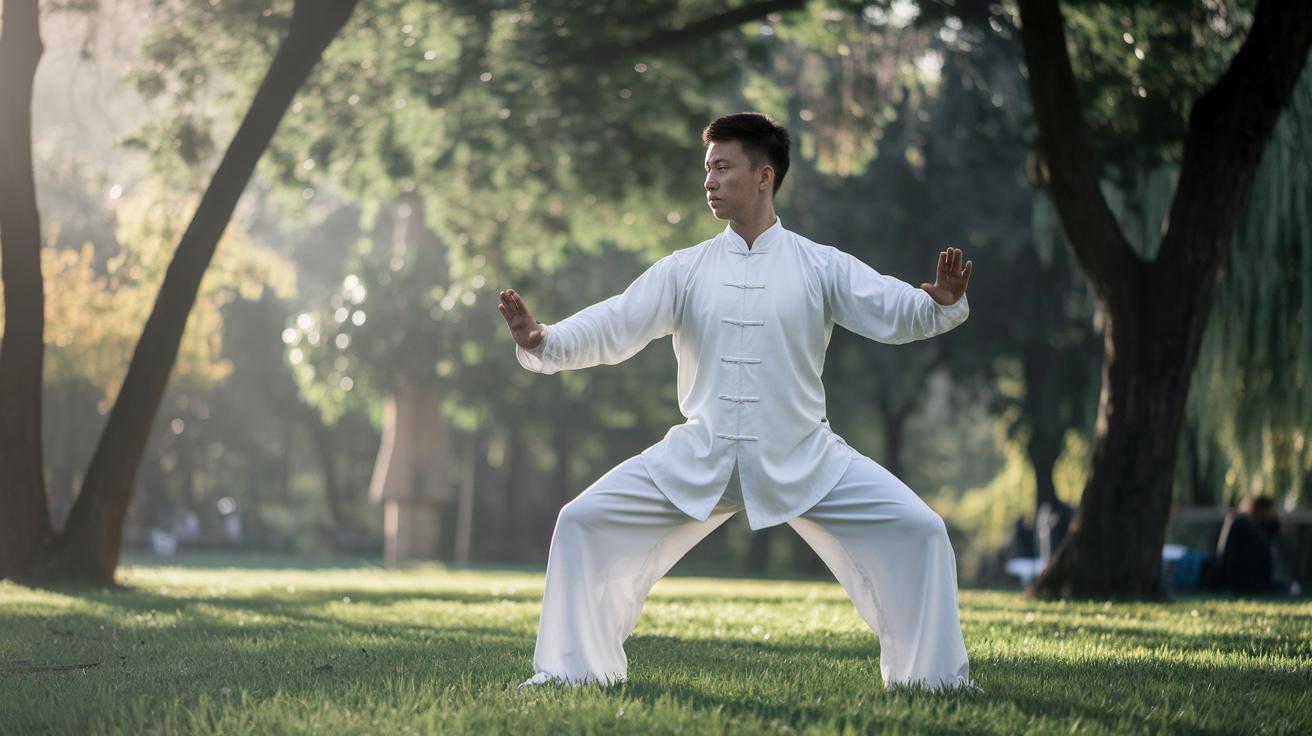
Turn your daily movements into little moments of quiet focus by matching your breath to your steps. Whether you're doing yoga, tai chi, or just taking a mindful walk, pay attention to how your muscles stretch, how your heart beats, or even the cool air that brushes your skin.
Mindful Movement Techniques
-
Heel-to-toe walking
For example, as you walk, feel your heel touch the ground and then notice the gentle lift of your toes. Each step helps you stay present. -
Tai chi cues
For example, while doing tai chi, feel your joints shift and your muscles unwind with each slow move. It’s a simple way to calm your mind. -
Cycling focus
For example, when cycling, focus on the smooth push of every pedal and match it with your steady breathing. This turns your ride into a mindful journey.
Body Scan Method and Self-Compassion Practice
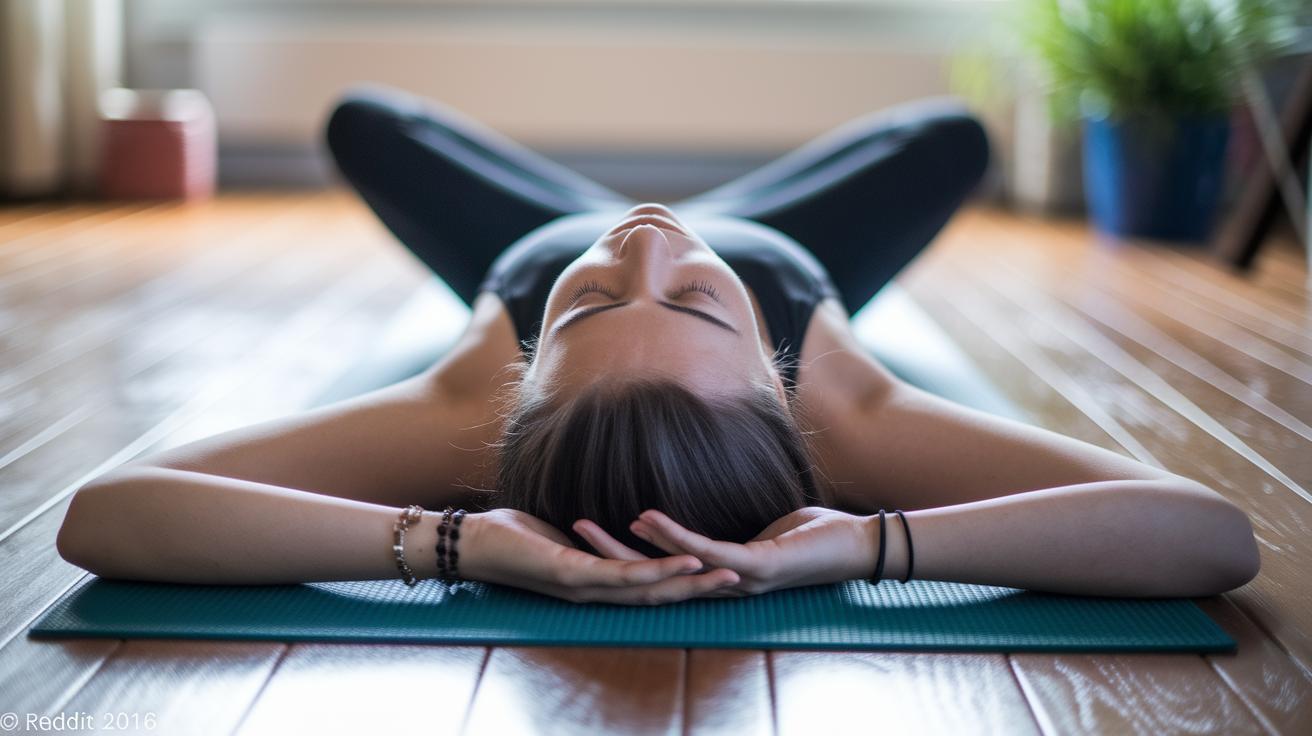
Find a quiet spot where you can sit or lie down comfortably. Start by slowly shifting your focus from your toes all the way up to your head. Notice any feelings in each part of your body, whether it’s a bit of tightness, warmth, or even numbness. Just let these sensations be without trying to change or judge them. For example, you might say, "I feel a gentle pressure in my shoulders," and simply allow that sensation to ebb and flow for about 10–20 minutes.
When you finish your body scan, gently move on to a self-compassion practice. Softly tell yourself, "May I be kind to myself." This quiet reminder helps ease negative self-talk and invites a bit of understanding and care into your heart. You might even imagine sharing this warm energy with others around you.
If you’re up for it, try a loving-kindness meditation. This simple practice deepens that caring feeling. For clear, step-by-step guidance, check out the Loving Kindness Meditation Script linked here: Loving Kindness Meditation Script.
Depression Relief Strategies Through Mindfulness Practices
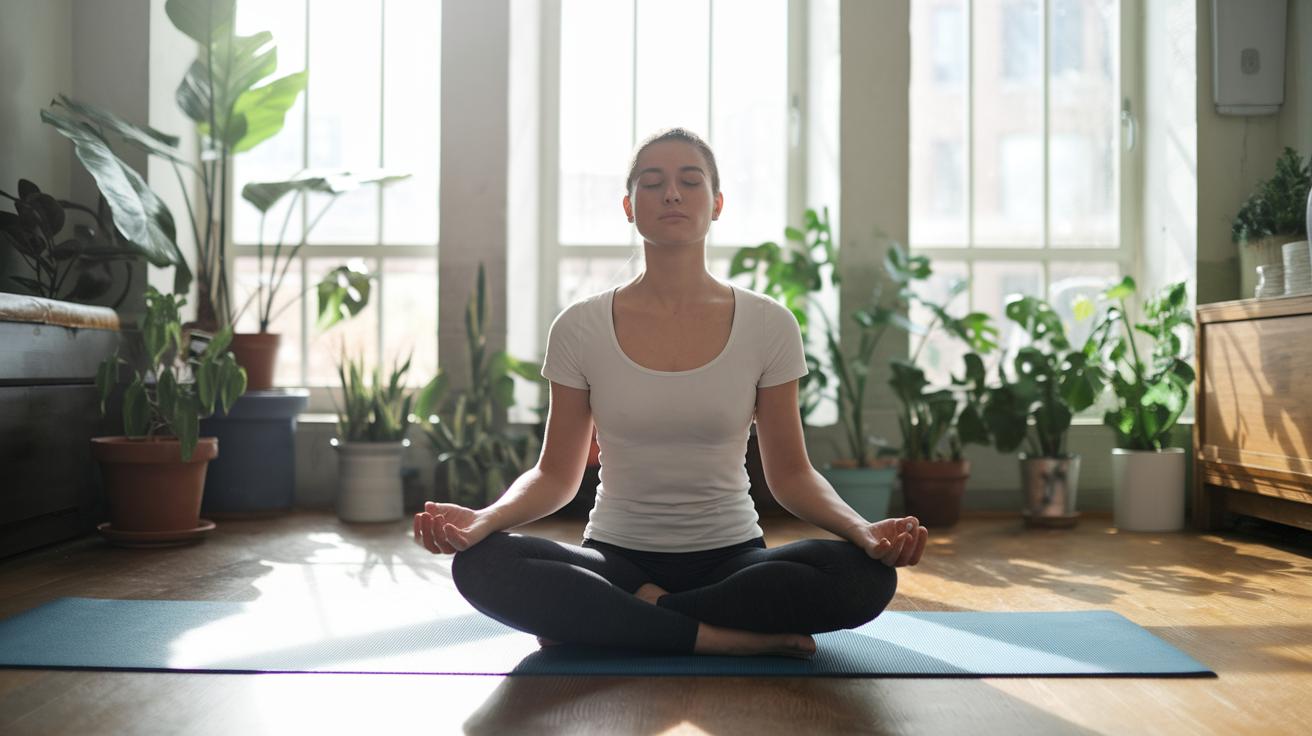
Mindfulness-based Cognitive Therapy (MBCT) can help lower depression relapse by about 40% after just eight weeks of practice. It uses easy techniques like focusing on your breathing, checking in with your body, or moving mindfully. Imagine taking a slow, deep breath, feeling cool air fill your lungs, and noticing the tension melt away as you exhale.
Studies show that a regular mindfulness practice can ease symptoms of depression and build up your resilience. When you pause to notice your thoughts or scan your body from head to toe, you create a little gap between how you feel and how you react. Simple activities like a gentle yoga routine or tai chi can lift your mood, keeping you focused on each step.
Daily mindfulness helps you connect everyday moments with professional care. It offers a practical way to manage mood swings and support your overall mental well-being. Even a short session with these techniques can help reset your emotions and bring some relief on challenging days. These easy tools work perfectly alongside other treatments, empowering you to care for your mental health one small, intentional step at a time.
Final Words
In the action of embracing mindfulness practices, you tap into simple ways to care for your mind and body. The blog highlights how mindful breathing, meditation, and body scans can ease stress and anxiety. It also shares practical routines like mindful eating and movement-based exercises that nurture emotional balance and reduce depressive symptoms. Every small, consistent habit builds a foundation for improved mental wellness. Keep exploring these techniques and enjoy each step toward a calmer, happier life.
FAQ
What are some examples of mindfulness practices and how do they help different groups, including those with anxiety?
Mindfulness practices like mindful breathing, body scan, mindful eating, and mindful walking help you stay present and reduce stress. They work well for adults, students, and those managing anxiety by calming the mind.
Are there downloadable PDF guides available for individual and group mindfulness exercises?
Yes, several PDF guides offer step-by-step instructions for mindfulness exercises. These resources simplify practicing alone or in groups, making it easier to bring mindfulness into your everyday routine.
What are five basic mindfulness practices I can use daily?
Five basic practices include mindful breathing, full body scan, mindful eating, mindful walking, and taking mindful pauses. These approaches help keep you grounded and boost self-awareness throughout the day.
What do the 5 R’s, 5 C’s, and 3 C’s frameworks in mindfulness mean?
Various frameworks exist; for instance, the 5 R’s often involve recognizing, reflecting, releasing, responding, and reframing your thoughts. The 5 C’s and 3 C’s emphasize cultivating clarity, compassion, and calm to guide your practice.