


Do you ever feel worn out by life's constant pressures? Sometimes stress quietly builds up and makes you feel weighed down. It doesn't just keep you busy, it slowly drains your energy. At Bright Paths to Wellbeing, we believe that small, steady changes can help lift that heavy feeling. In this post, we'll walk through how stress builds up and share easy, practical tips to help ease its hold on your body and mind. Ready to discover a brighter, lighter way of living?
Understanding Chronic Stress

Chronic stress builds up when daily pressures go on without a break. Your body stays in a constant "on" mode, releasing stress hormones like cortisol. This is due to your HPA axis, which acts like an internal stress manager that just keeps working without a pause.
While short bursts of stress, like making a quick decision during a sports game, can boost your focus, constant stress slowly wears you down. Picture the feeling of carrying a heavy backpack that never gets lighter. It’s like dealing with never-ending work challenges, persistent health issues, and ongoing worries all at once.
When you’re under constant stress, your emotions, mind, and body all feel the strain. It’s as if your system is running a marathon every day, leaving you tired and foggy. Noticing these signs is the first step in easing that burden and finding ways to bring more calm into your life.
Common Causes of Chronic Stress

Work and school pressures can really push your stress hormones into overdrive. Imagine someone juggling a mountain of projects while studying for a big exam. Every deadline adds that extra weight, and with job worries and last-minute school tasks, your body ends up releasing more cortisol (a stress hormone that signals you’re under pressure). It’s like having your mind stuck in constant high gear, making it tough to relax.
Everyday habits can pile on the stress too. Poor sleep, hurried and unhealthy meals, and even pesky personal conflicts throw your body out of sync. Picture tossing and turning all night from worries, only to wake up to a rushed breakfast that barely fuels you for the day ahead. These routines create a cycle where your body stays alert, always waiting for the next challenge.
Money troubles add their own flavor of stress. When you’re constantly fretting over bills, debts, or unexpected expenses, that nagging anxiety never fades away. Think about the pressure of monthly money issues that chip away at your peace of mind. This prolonged worry keeps stress levels high, affecting your mood and overall physical health.
Recognizing Symptoms and Indicators of Chronic Stress

When your body stays in a stressed state for a long time, you might start to notice certain feelings. High levels of stress hormones like adrenaline and noradrenaline can make you feel anxious, moody, or even a bit fuzzy-minded. It’s a bit like seeing through a foggy window or feeling jumpy even when it's quiet. Many people also mention having trouble sleeping or their appetite changing suddenly. Sometimes, that emotional exhaustion creeps in unexpectedly, like feeling totally drained after a chat that used to lift your spirits. Keeping an eye on these signs can help you catch stress early.
Your body can tell you a lot too. You might feel tired all the time even after resting, or have a stomach that feels uncomfortable after meals. Changes in your sleep or sudden weight swings might be hints that your stress system is working overtime. Imagine your body feeling like it's been on a long, tiring hike without a clear end in sight. Noticing these signals can guide you to make small adjustments before things get more serious.
When these signs keep showing up, it's a sign that your body might be overworked. Taking note of how long these feelings last and how intense they are can be key to managing stress before it really starts impacting your life.
Long-Term Health Consequences of Chronic Stress

When stress sticks around, your body pumps out hormones like cortisol that make your heart work too hard. This extra load can raise your blood pressure and even lead to clogged arteries, much like a car engine that never cools down. Over time, this wear and tear can cause serious heart problems.
Chronic stress also strains your natural defenses. The extra hormones weaken your immune system, which means you're more likely to catch common bugs. It can feel like you're under the weather more often, as if your body is running on empty and just can’t keep up.
Stress doesn’t stop at your heart and immune system either. It can disturb the balance of important hormones, upsetting your energy levels and mood. Think of it like a garden that isn’t well taken care of; even small changes can cause a lot of problems.
Some studies even suggest that people under intense stress show traits similar to those with post-traumatic stress disorder. In short, long-term stress might put extra strain on your heart, leave your body more vulnerable to illness, and throw your hormones out of balance, all of which can affect your overall well-being.
Proven Stress Management Techniques for Chronic Stress
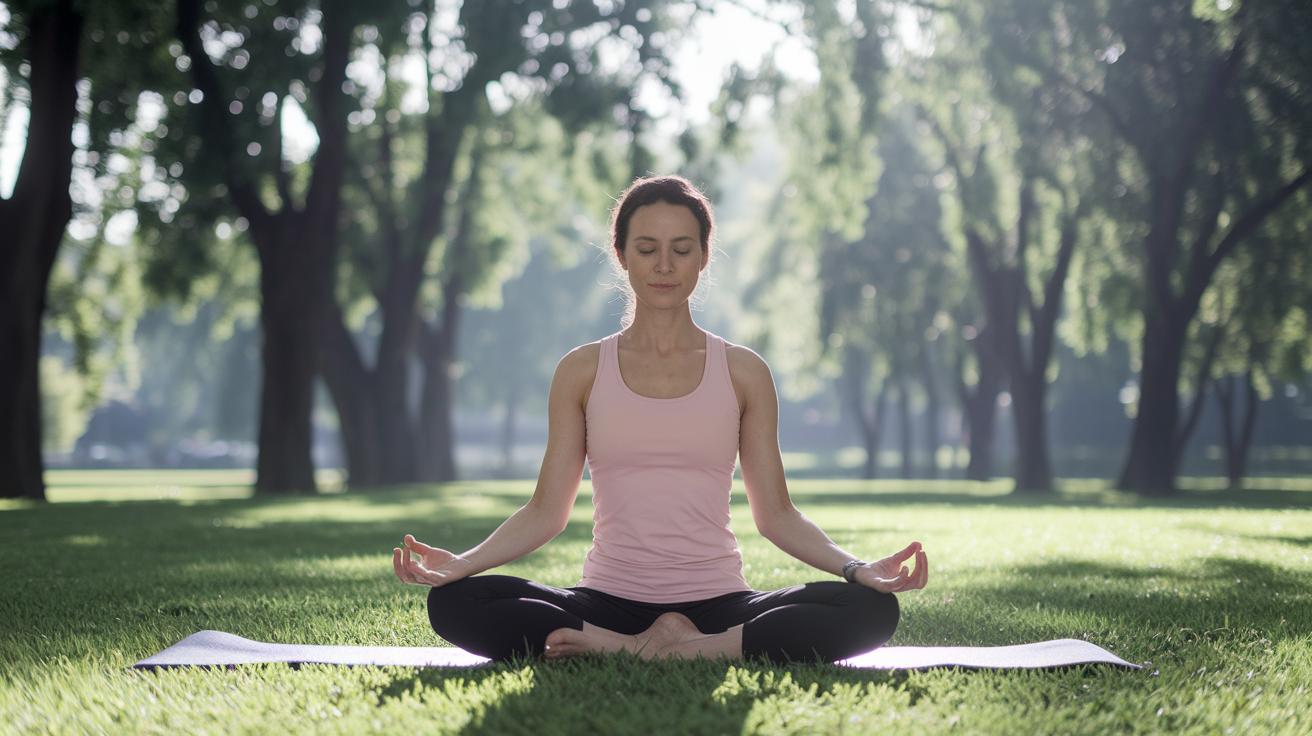
Managing chronic stress is about using simple daily practices to help lower your cortisol (a stress hormone) and keep your mood steady. Studies show that slow, rhythmic breathing, inhale for five seconds and exhale for five seconds, can lower your heart rate and ease stress. A little mindfulness, like morning meditation, helps calm your mind and reduce your body’s stress response. Even a daily walk keeps your mood steady, and a balanced diet helps maintain steady blood sugar and support your adrenal health.
Below are eight research-backed ways to ease chronic stress:
- Paced breathing: Slow and steady breaths signal your body to relax.
- Meditation: Taking quiet moments to clear your mind eases your stress signals.
- Yoga: Gentle stretches combined with deep breaths help soothe both your body and mind.
- Progressive muscle relaxation: This technique gradually releases tension in your muscles.
- Walking: Regular strolls not only lift your mood but also boost your overall health. Check out the benefits of walking every day.
- Balanced diet tips: Nutritious meals maintain steady energy and support overall well-being.
- Guided imagery: Visualizing peaceful scenes can bring a sense of calm.
- Journaling: Writing down your thoughts can help you sort through stress and gain clarity.
Mixing these methods can bring lasting calm and better overall health. For example, starting with paced breathing, moving into a gentle yoga session, and then writing your thoughts in a journal can relax your body and clear your mind. Often, finding a routine that fits feels empowering, lighting up those challenging moments and guiding you toward a brighter, healthier path.
chronic stress: Bright Paths to Wellbeing

Start by crafting a steady daily routine to calm a racing mind and ease your body’s stress signals. Try drawing a clear line between work and downtime. For example, break your day into blocks so that after your work segment, you enjoy a healthy lunch, a refreshing walk, or simply a moment to breathe. This simple habit helps your body relax and gives your stress system (the part that handles hormones and responses) the break it needs.
How about taking a one-hour break from screens every day? Turn off your devices and spend that time writing in a journal or exploring a creative hobby like sketching. It’s like giving your mind a little vacation, a chance to rest away from constant notifications. This practice gently eases stress while opening up room for self-reflection and personal growth.
For lasting relief, lean on your social circle and plan small breaks from your routine. Imagine sitting down for a relaxed meal with a friend or taking a peaceful walk in the park with family. These moments remind you that you’re not alone, helping to ease the pressures of each day. Such mindful adjustments pave a brighter, more balanced path to well-being.
Final Words
In the action, we explored how ongoing tension impacts both body and mind. We broke down key triggers, signs to watch for, and the serious effects stress can have over time. We also looked at practical techniques like paced breathing, mindful meditation, and simple lifestyle tweaks. These insights make managing chronic stress feel more approachable. Every small change can brighten your day and boost your well-being. Keep trying new methods, and remember that progress is a series of gentle, positive steps.
FAQ
What are chronic stress symptoms?
The chronic stress symptoms include feelings of anxiety, insomnia, changes in appetite, irritability, persistent fatigue, and digestive issues. These signs show your body staying in stress mode over time.
What is chronic stress treatment?
The chronic stress treatment combines techniques like paced breathing, mindfulness, physical activity, and a balanced diet. These methods help lower stress hormones and promote overall well-being.
What are some chronic stress examples?
The chronic stress examples include ongoing work pressure, constant school deadlines, enduring financial worries, and persistent relationship conflicts—all of which keep your stress levels elevated.
What are chronic stress causes?
The chronic stress causes come from repeated pressures at work or school, unhealthy lifestyle habits, and long-term personal or financial issues, all contributing to a continuously activated stress response.
How do you treat chronic stress and anxiety?
The approach to treat chronic stress and anxiety includes using paced breathing, mindfulness meditation, regular exercise, and nutritious eating to calm the body’s stress responses and help you find balance.
What is the chronic stress recovery time?
The chronic stress recovery time varies from person to person, but many begin to feel better with consistent stress management techniques over a period of weeks to a few months.
What happens if chronic stress lasts for years?
When chronic stress lasts for years, it can lead to long-term health issues such as high blood pressure, mood swings, and weakened immunity, affecting both body and mind.
Why is chronic stress dangerous?
Chronic stress is dangerous because it keeps stress hormones like cortisol high, which increases the risk of heart problems, disrupts hormones, suppresses immunity, and harms overall health.
What is considered chronic stress?
Chronic stress is considered the constant feeling of pressure that lasts for weeks, months, or even years, where the body’s natural stress responses remain active without proper relief.
What happens when you are under stress for too long?
When you are under stress for too long, your body stays in fight-or-flight mode. This can lead to tiredness, anxiety, mood changes, and an increased risk of serious health issues.
What are five warning signs of stress?
Five warning signs of stress include trouble sleeping, irritability, persistent fatigue, headaches, and noticeable changes in appetite or mood, each signaling that your body may be overloaded.
Can chronic stress be cured?
Chronic stress can be managed with ongoing lifestyle adjustments, regular stress reduction practices, and professional guidance. Although it may not be cured completely, you can reduce its impact significantly.