



Have you ever imagined that your watch could soon be like a friendly health coach? Nowadays, wearable gadgets go way beyond counting your steps. They now come as smart rings, glasses, and other cool designs.
These devices can keep an eye on your heart rate, check your blood oxygen levels (a measure of how much oxygen your blood carries), and even monitor how well you sleep. Sensors and smart computer programs work together to turn simple numbers into easy-to-follow advice.
With better readings and stylish looks, these tools are set to help you stay healthy every day. The future of wearable tech is looking bright and might change the way you care for yourself in surprising ways.
Core Wearable Tech Trends: What’s Shaping the Market

Wearable devices are changing really fast. Not long ago, they were just simple trackers. Now they work more like friendly partners that help you look after your health. They can check your heart rate, blood oxygen, sleep quality, and even your stress levels so you can feel your best every day.
New smart features are popping up all the time. For example, smart AI can take your data and turn it into advice just for you. Advanced sensors now give you accurate readings no matter how much you spend. And better connectivity means your device can share your information easily, even when you aren’t online.
- Generative AI integration for personalized recommendations
- The rise of advanced biometric sensors (like those that track heart activity, blood oxygen, and sleep)
- Improved connectivity and offline data sharing
- New designs such as glasses, rings, and virtual reality options
- The shift from basic fitness bands to smartwatches with a range of functions
All these trends are working together to change the way wearables help with your health. Basic trackers are now smart companions that offer step-by-step advice in real time. Thanks to more precise sensors, key health details are right at your fingertips. And with reliable data sharing even without a constant internet connection, you can feel more in control of your wellness journey. New designs mean you can choose devices that not only work well but also match your style. This move toward multifunctional smartwatches shows how technology is fitting more naturally into everyday life, making it easier to stay healthy and informed.
Emerging Smart Wearables: From Smart Glasses to Smart Rings

Wearable devices are changing how we dress and live our lives. These cool gadgets blend technology with everyday style and keep an eye on our health at the same time.
Smart Glasses
Smart glasses act like a handy digital buddy. They show useful info, like maps and notifications, directly in your line of sight. Perfect for busy days, they fit so well and feel light enough to wear all day long. Imagine looking at your busy street and seeing directions pop up on your view, pretty neat, right?
Smart Rings
Smart rings are tiny but pack a punch. They track important health details like your heartbeat, sleep patterns, and stress levels. Using smart sensors, they keep tabs on how you feel without being obvious. They remind us that great things often come in small packages.
VR Watches & Headsets
VR watches and headsets open up a world of immersive experiences. They’re great for fun gaming sessions and even for work training. Whether you’re diving into a virtual adventure or attending an interactive meeting, these devices make every moment engaging.
Tech-Integrated Jewelry
Tech-integrated jewelry is where fashion meets function. These stylish pieces not only count your steps and daily activities but also let you pay with a simple tap for a contactless checkout. It’s a chic way to stay active and connected every day.
Next-Gen Health Trackers and Digital Wellness Monitors

Sensors have made huge strides. Today’s gadgets use both light-based and electrical sensors to check your heart rate, blood oxygen levels, and even signs of an irregular heartbeat all day long. Big names like Apple, Samsung, and Garmin lead the way with devices that have FDA-cleared ECG and SpO₂ detection. It’s like carrying a tiny health lab on your wrist, always keeping an eye on what your body is telling you. For more on these nerve centers, take a peek at wearable tech for health.
AI now plays a big role too. These devices use smart algorithms that give you personalized tips, nudging you gently when they notice you might need a little boost. Picture your tracker saying, “Maybe it’s time for a walk,” just when your steps start to lag. It turns streams of data into friendly advice that helps you keep pace with your daily health goals.
There’s something for everyone now. Wearables come in many price ranges, which means more people can enjoy real-time health insights without stretching their budgets. Some even estimate blood pressure or give scores for managing stress. They meet strict safety rules, so you can count on them for accurate checks.
More and more people are turning to these devices every day. Clinics and hospitals even use approved wearables to watch over patients as they recover, while everyday users love getting a full picture of their health anytime they need it.
Wearable Tech Trends: Bright Future Ahead
AI in companion apps is changing the game for wearable devices. They handle everyday tasks on their own so your device spends less time dealing with glitches and more time offering you useful tips. Imagine your watch giving you a friendly reminder to stretch right when you need it, all thanks to clever, on-the-spot guidance that fits your routine.
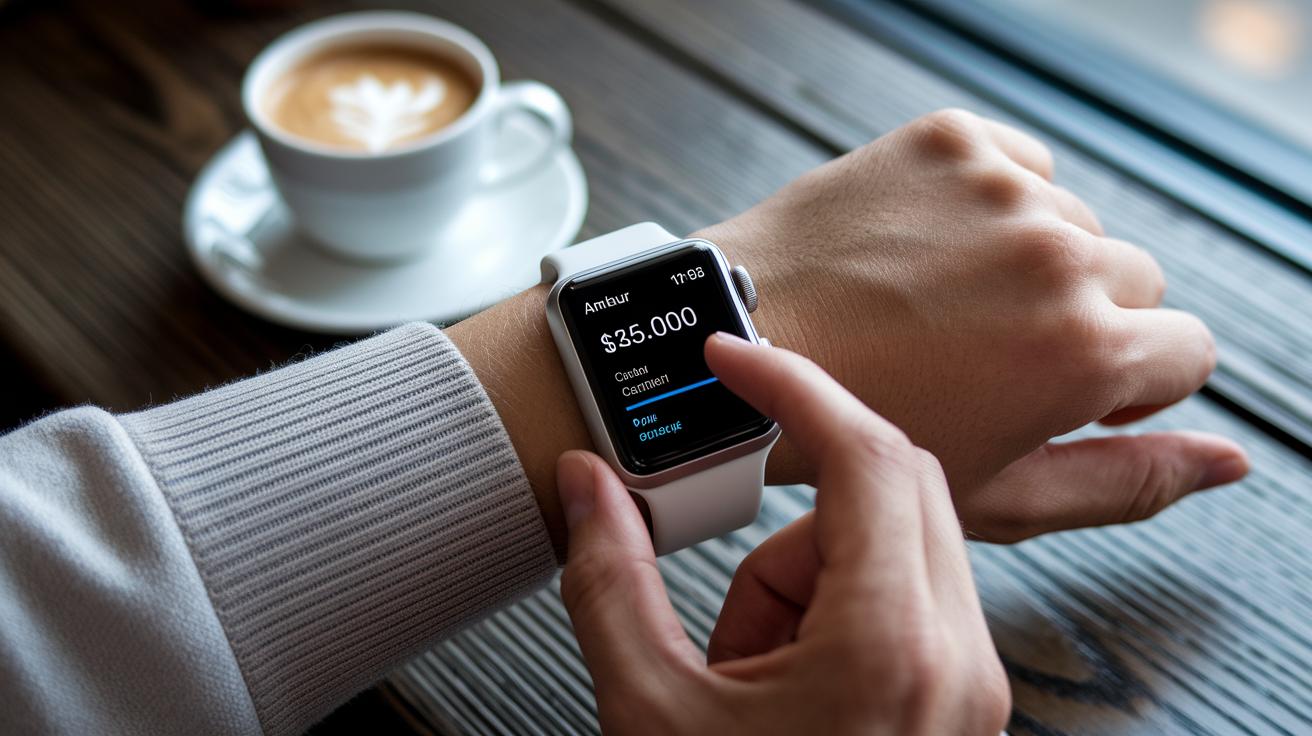
Contactless payment features are becoming part of our daily wearables. Whether you're grabbing a quick snack or picking up your daily essentials, your wearable lets you pay safely and swiftly. This means you don't have to fumble with your wallet and can enjoy a smoother day.
Wearable devices are also getting smarter about keeping your data safe. They have built-in systems that watch for odd patterns, catching any unusual activity quickly. With these safeguards quietly working in the background, you can check your stats or use your device with real peace of mind.
Improvements in GPS and beacon technology are taking location tracking to the next level. Your wearable now works accurately even when you're off the grid. Plus, by linking with smart home and office devices, it becomes a reliable helper that fits right into your everyday life wherever you wander.
Industrial and Metaverse Wearable Tech Trends

In factories and busy work sites, wearable devices are stepping up to do more than just track personal actions. Smart wearables now help monitor worker movements and spot signs of fatigue. They let supervisors know when someone might need a break, reducing the chance of injury from overwork. And if there's an issue, these gadgets can connect team members with remote experts who provide hands-on help right away, even without internet. Imagine having a tool that gives a friendly nudge the moment it senses tiredness. It’s a simple way to keep everyone safe and sound.
On the training floor, these wearables play a big role too. They offer real-time feedback during hands-on sessions, making it easier for new skills to stick. Thanks to low-range RF communication (a short-range radio technology for sending data), workers can trust that vital information is shared even in areas with spotty internet. All this sensor data and smart tracking turn everyday support into a well-oiled, proactive system.
In the digital realm of the Metaverse, VR and AR wearables blend computer graphics with real life. These gadgets use 3D tracking so you feel like you’re really there. Picture a virtual classroom where you can examine detailed 3D models and hear crisp, directional sound that makes you feel like you’re in an actual lecture hall.
Plus, these wearables change remote collaboration altogether. They let users interact with digital objects in a natural way, making virtual meetings lively and true-to-life. The mix of work and play in this connected wearable world brings a fresh, engaging twist to everyday tasks.
Market Forecast for Wearable Tech Trends

The wrist-worn devices hold around 45% of the overall shipments. This shows many people like using them to track daily activities. It’s a simple choice for everyday needs.
The virtual reality section had a noticeable rise in price, even though they sold the same number of units in 2023. This suggests customers are focusing more on quality and new features instead of just buying more.
Meanwhile, fitness bands have seen a small drop in sales compared to last year. In contrast, smartglasses and smart rings have seen strong gains, almost topping in double figures. These changes tell us that people’s choices are shifting based on what feels right for them.
Experts predict a small increase in overall growth over the next five years. They considered how quickly wearables are changing, how many people are trying them, and current market shares. As new ideas keep coming up, the wearable tech world is likely to offer more all-in-one, user-friendly gadgets that easily mix into our daily routines.
Opportunities and Challenges in Wearable Tech Innovation

More patents are being filed for flexible printed sensors and modules that use artificial intelligence (AI). Many medical devices still face challenges when trying to meet FDA and CE certification requirements, which makes the rules more complex for wearables.
Keeping wearable devices secure is very important. Companies work hard to protect personal biometric data (information about your body) as cyber threats keep increasing. These safety steps help build trust in the new technology.
Designers still struggle with power consumption. They are researching ways to harvest energy and use ultra-low-power chips so devices can last longer and work more efficiently, which is key for daily use.
AI is opening up exciting possibilities in tech design. For example, generative AI learns your daily routines and preferences to create smoother, more natural interactions. New sensor technology works together with smart software to make devices feel both quick and secure. This blend of AI and energy-saving design not only solves regulatory and security issues but also sets a clear path toward smarter health and lifestyle tools.
Final Words
In the action, we explored how smart devices are shifting from basic fitness trackers to advanced partners in wellness. We examined the rise of AI, innovative sensors for ECG, SpO₂, sleep staging, and smart connectivity that drive wearable tech trends.
We also looked at new formats like smart rings, glasses, and VR headsets, all reshaping our daily interactions with health. Embrace these changes with confidence, knowing they pave the way for a healthier and happier future.
FAQ
What is the future of wearable technology in healthcare?
The future of wearable technology in healthcare involves smarter sensors, AI-driven insights, and continuous health monitoring that helps track vital signs and promote overall well-being.
What are some examples of wearable technology?
Examples of wearable technology include smartwatches, fitness bands, smart rings, smart glasses, VR headsets, and devices that support contactless payments and real-time tracking.
What is the wearable technology market size and trend?
The wearable technology market is growing, with smart rings and glasses gaining traction while basic fitness bands see modest declines, all contributing to a steady market expansion forecast.
How is wearable technology used in sports?
Wearable technology in sports tracks performance metrics like heart rate, motion, and fatigue, offering real-time data that helps athletes optimize their training and improve performance.
What are the latest trends in wearable technology and what will trends look like in 2025?
The latest trends include AI-powered insights, advanced biometric sensors, robust connectivity, innovative form factors such as rings and glasses, and a move toward multifunctional smartwatches.
What are the key applications of wearable technology?
Wearable technology finds use in health monitoring, sports performance analytics, virtual reality experiences, remote diagnostics, and secure payment systems, meeting a variety of lifestyle needs.


