


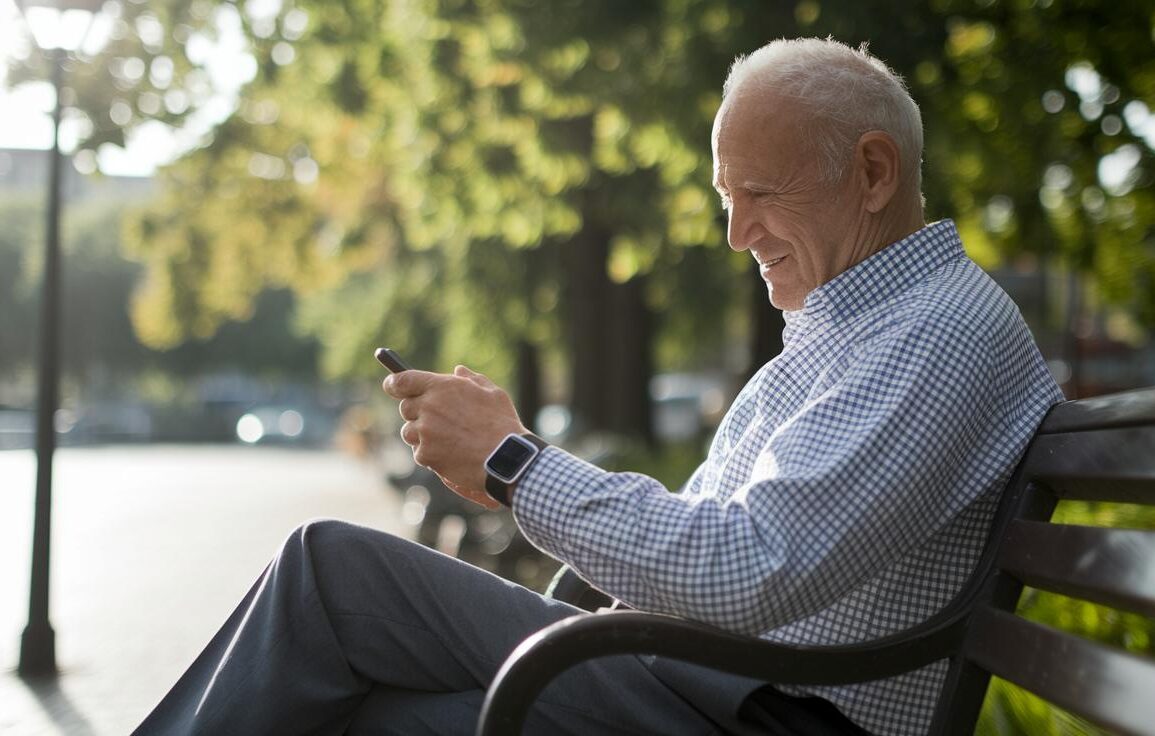
Ever wonder if a little gadget could change a senior’s day? Wearable tech might be the friendly helper you never knew you needed. Imagine a small device that keeps track of your heartbeat, counts your steps, and even sends an alert if you fall. It’s like having a caring friend right there with you. This cool tool not only gives families peace of mind but also inspires seniors to stay active and enjoy every moment.
Essential Benefits of Wearable Tech for Seniors
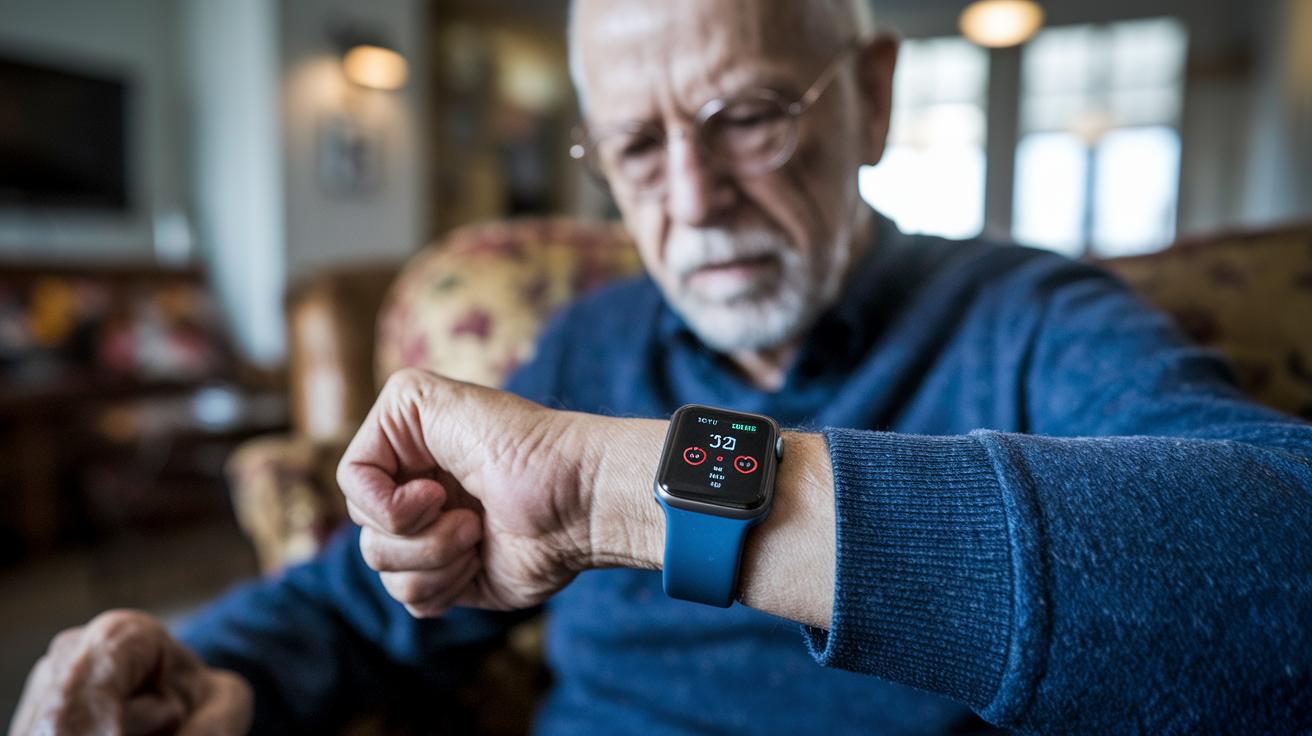
Wearable technology can be a real help for seniors, offering an easy way to watch over your health. It keeps an eye on important things like your heart rate, blood pressure, and blood oxygen levels. Imagine the relief of knowing your well-being is being checked all day, it's like having a caring friend looking out for you around the clock.
Safety is another big plus. Many gadgets now come with fall detection that automatically sends alerts if you take a tumble. Picture a watch that quickly notifies someone if you slip, helping families feel more at ease. Besides keeping you safe, these devices also nudge you toward healthier daily habits.
Benefits include:
- Constant tracking of vital signs to spot any issues early.
- Automatic fall alerts to get help right away.
- Fitness monitoring that gently encourages a bit more daily movement.
- Friendly medication reminders to keep your routine on track.
- GPS location support to guide you if you ever feel lost.
What’s truly uplifting is how these devices boost motivation and independence. AARP found that after just six weeks, nearly half of older adults felt more driven to live healthily, and many saw these tools as truly valuable. With clear, real-time health updates and built-in safety features, seniors can enjoy everyday activities with extra peace of mind.
Top Rated Wearable Tech for Seniors in 2025
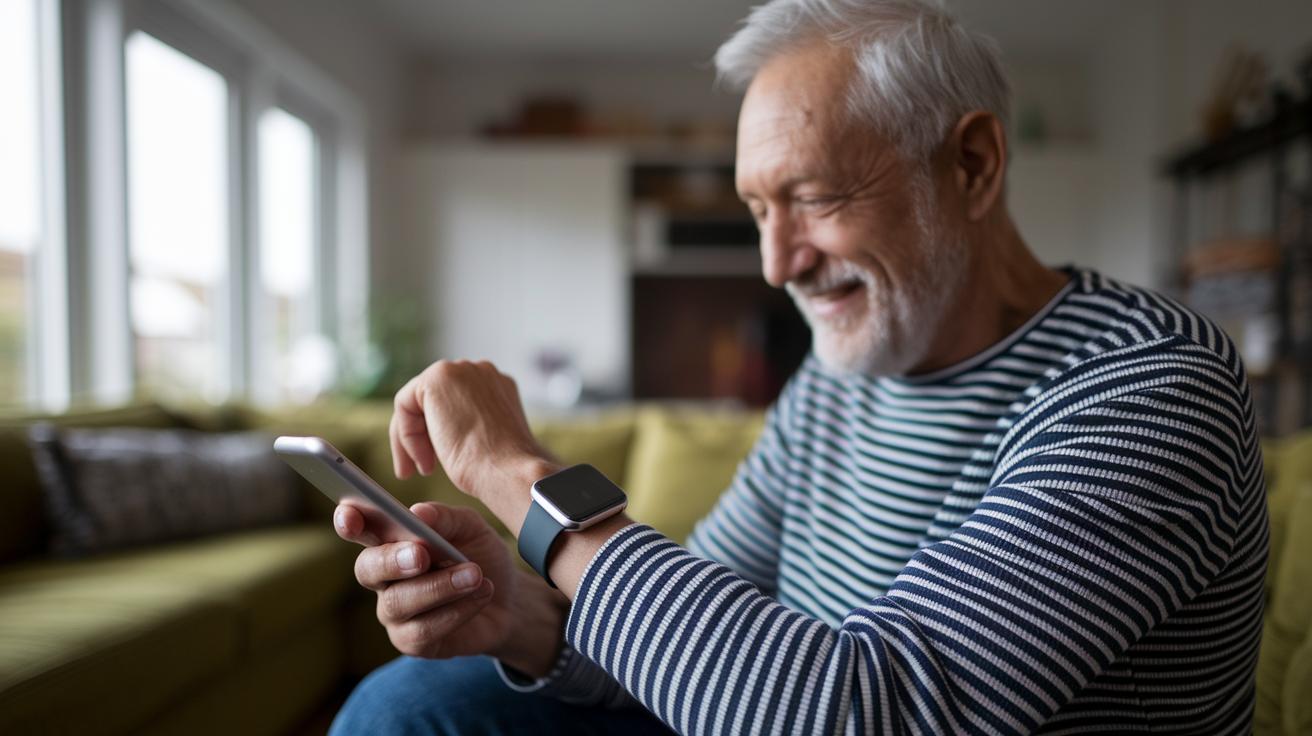
Apple Watch SE
Apple Watch SE looks after your heart in a friendly way. It comes with an easy-to-use app that gently checks your heartbeat, almost like a mini doctor. And if you happen to take a fall, it quickly calls for help, usually within 60 seconds. This makes it a comforting choice if you ever feel unsure.
Fitbit Charge 3
Fitbit Charge 3 is a smart buddy for keeping track of your everyday activity and sleep. It features award-winning sleep tracking, stays powered up for a long time, and has a backlit display so you can easily check your stats. This helps you stay informed about your health without any fuss.
Samsung Gear S3
Samsung Gear S3 blends a modern look with important safety features. Its simple three-press SOS button sends out your live location, making it easy to get help if needed. It’s a perfect mix of style and practical support for anyone looking to feel secure.
Garmin Vivosmart 3
Garmin Vivosmart 3 tunes in to your body’s rhythms. It keeps an eye on your heart rate changes and even offers guided breathing exercises to help ease stress. This gentle monitoring can help you maintain a steady balance, both physically and emotionally, throughout your day.
Reemo Health Smartwatch
Reemo Health Smartwatch makes sharing your health information simple and stress-free. With its 24/7 concierge support, family and caregivers can easily check in on you at any time. It’s a great option if you want to feel both independent and well cared for.
Freedom Guardian
Freedom Guardian is designed with large, clear icons and a high-resolution touchscreen, so reading information is a breeze. It even schedules reminders for your medications, helping you stick to your routine safely and with ease.
MobileHelp Smart
MobileHelp Smart is like having a reliable friend by your side in an emergency. It features a two-way microphone and speaker so you can speak directly with operators when you need to. And at just $24.95 a month, you get consistent, trusted support whenever you might need it.
Design and Usability Considerations in Wearable Tech for Seniors
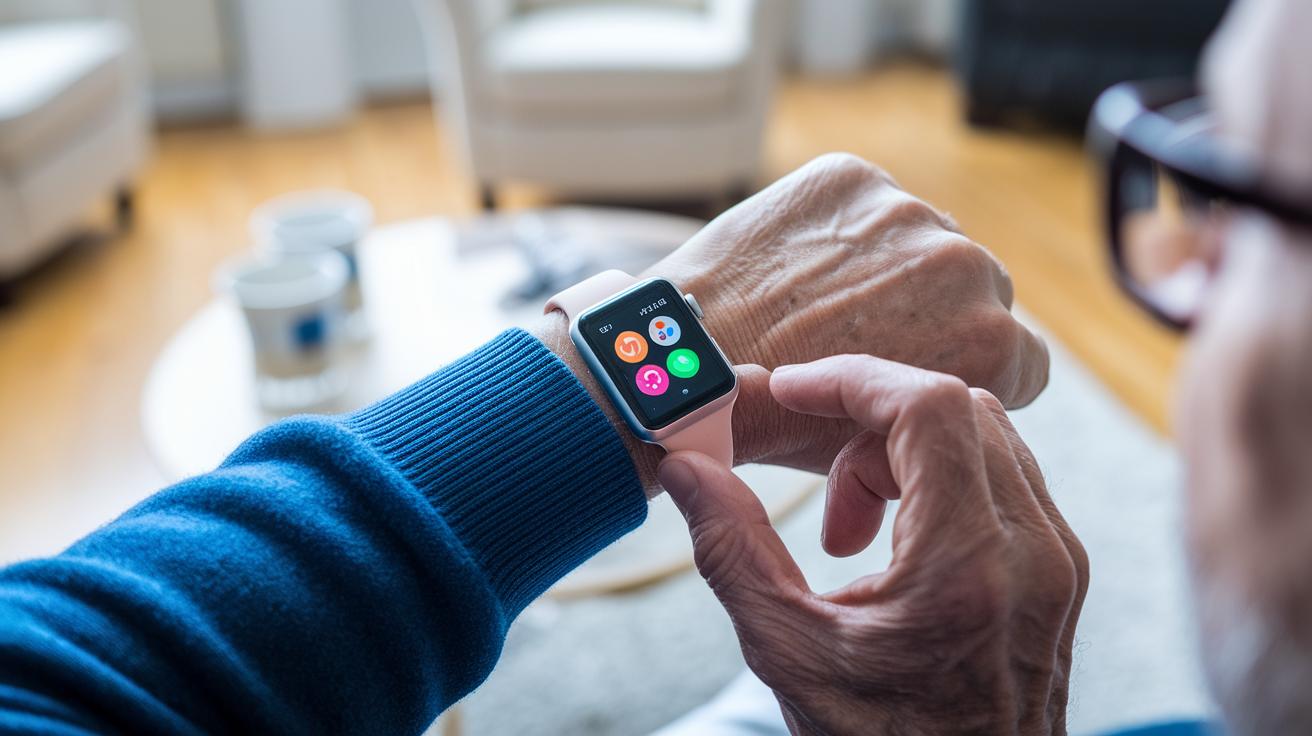
When it comes to wearable devices for older adults, clear displays are a must. Big icons and bright screens help you read health stats or notifications easily, no squinting needed. Imagine a watch that shows big, clear numbers for your heart rate, even on a sunny day. This kind of design makes checking your details simple and stress-free.
Comfort matters just as much as a clear display. Adjustable and lightweight bands help keep skin irritation at bay while holding the device snugly all day. Think of it like slipping on a soft band that seems custom-made for you. With these thoughtful designs, you can stay relaxed and focused on your daily routines without distraction.
A simple menu is key too. Easy-to-navigate interfaces let seniors quickly access important features like SOS alerts or vital sign tracking without feeling overwhelmed. By keeping things straightforward, the device becomes a trusted companion that offers support every step of the way.
Pricing and Subscription Models for Wearable Tech for Seniors
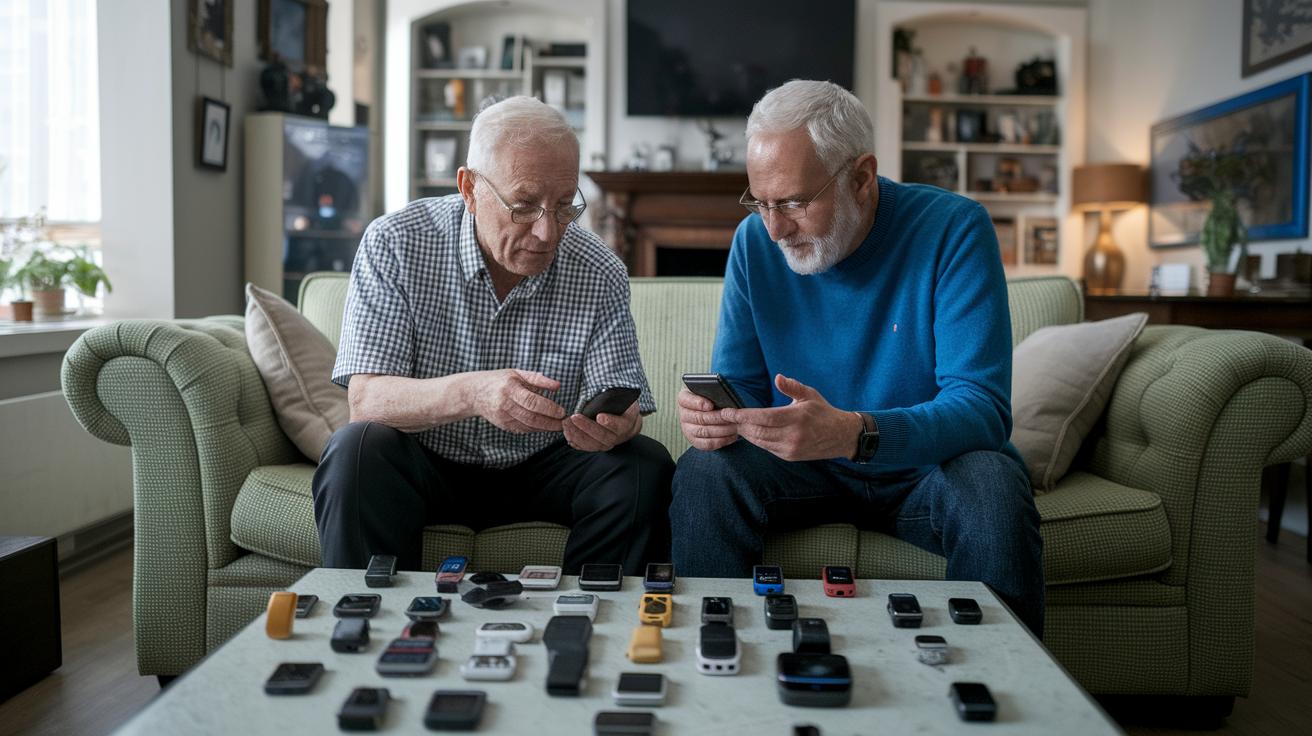
When you buy a wearable device, you typically pay a single price, usually between $100 and $400. This means you can track your health without worrying about monthly bills. It’s like picking a gadget that works right out of the box and won’t surprise you with extra costs.
Some devices do need a subscription to keep them working their best. For example, MobileHelp Smart comes with emergency monitoring for about $24.95 a month, plus a fee when you first get the device. On the other hand, MGMove offers an add-on for caregiver messages for only $5 each month. And, there are models like Get Safe Medical Alert that don’t charge any extra after you buy them.
When choosing your wearable, think about what features matter most to you. Matching your budget with the plan you need means you get the tech that fits your health goals perfectly.
Safety and Privacy Risks of Wearable Tech for Seniors
Wearable tech for seniors can bring some challenges that need our attention. Data breaches, unencrypted transfers, and errors in device readings are top worries. Imagine getting a false alarm or unnecessary worry because a device misreads your health data, it can lead to too much trust in the gadget instead of keeping in touch with family or caregivers.
Smart safeguards can really help ease these issues. Using end-to-end encryption and following strict, approved standards keeps your sensitive details safe. Advanced security measures protect against data leaks, while regular check-ups by family or caregivers help catch any hiccups early. With these careful steps in place, seniors can enjoy the benefits of wearable tech while staying secure and confident in their care.
Future Trends in Wearable Tech for Seniors
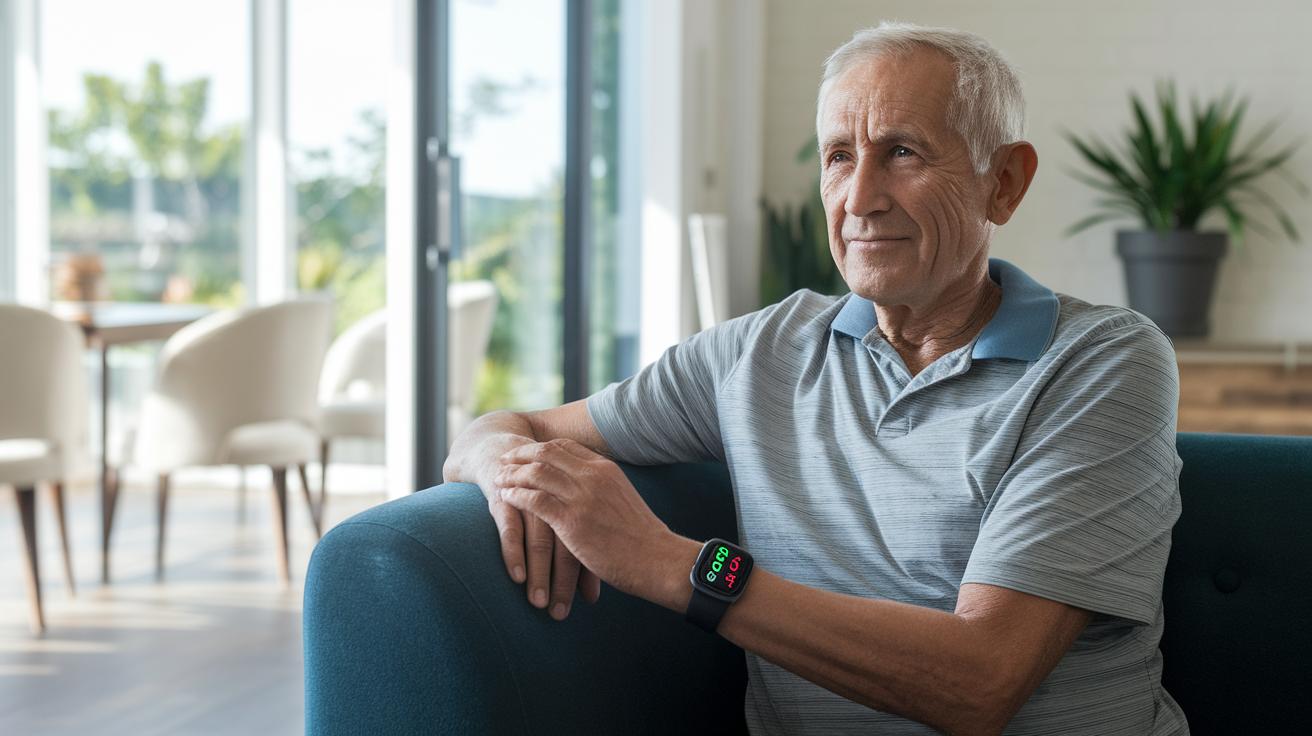
Wearable tech is growing fast. In 2016, around 46 million devices were used, and experts now expect that number to rise to more than 98 million by 2060. This jump comes because these gadgets are becoming easier to use and work better for an aging crowd. It’s pretty neat to see how these devices help seniors stay on top of their health and well-being.
New ideas keep pushing the limits of what tech can do. For example, the new Tango Belt hip-airbag is being designed to help cushion falls. Imagine a wearable that feels like a soft hug when you slip. Other smart gadgets, like implantable sensors and smart tattoos, are in the works to keep an eye on your health all day. Plus, AI-powered alerts might soon work together with smart-home tools to create a safer, more connected space. These cool developments are here to help seniors live more confidently and independently.
Final Words
In the action, we explored how devices monitor key health indicators and provide safety via fall alerts, fitness tracking, and medication reminders. Our review covered standout devices, design features for better readability, and varied pricing models. We also talked about smart precautions for data security and hush risks. Lastly, emerging trends point toward exciting developments that make wearable tech for seniors even more effective. It’s uplifting to see these innovations helping maintain independence and boost overall wellness.
FAQ
What is the best wearable technology for the elderly?
The best wearable technology for the elderly combines health monitoring and safety features in one device. It tracks heart rate, blood pressure, and includes fall detection, giving seniors peace of mind and more freedom.
How do wearable devices help seniors with fall detection?
Wearable devices help seniors with fall detection by using sensors that monitor sudden movements and alert emergency contacts immediately. This feature significantly improves safety and ensures timely assistance during accidents.
What wearable tech options exist for seniors without a smartphone?
Wearable tech options for seniors without a smartphone focus on simplicity. These devices, such as basic fitness trackers or emergency alert wearables, offer clear interfaces and essential features without requiring additional smartphone connectivity.
How do health monitoring devices benefit elderly care?
Health monitoring devices benefit elderly care by continuously tracking vital signs like heart rate, blood pressure, and oxygen levels. This real-time data helps manage health issues and provides valuable information to both seniors and their caregivers.
What low tech assistive wearable options are available for the elderly?
Low tech assistive wearable options provide simple features such as emergency alerts and basic step tracking. They are designed for ease of use, allowing seniors to stay active and safe without the complexity of advanced technology.


