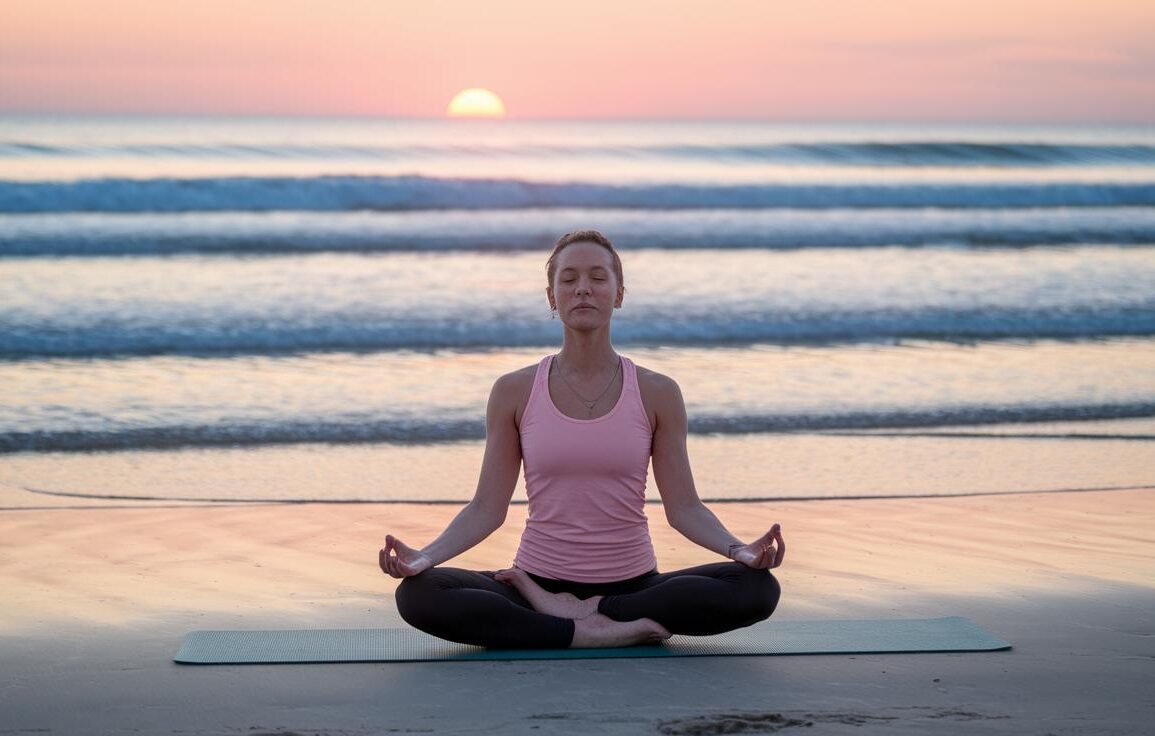
Have you ever wondered if some simple movements might help you sleep better?
Mindful movement meditation sleep mixes slow stretches with calm breathing to help relax your mind and body.
Imagine doing smooth, gentle motions that ease away your tension, like a soft melody that soothes you right before bed.
This easy practice lowers stress and sets you up for a night of deep, uninterrupted sleep.
Mindful Movement Meditation Sleep Essentials for Restful Nights
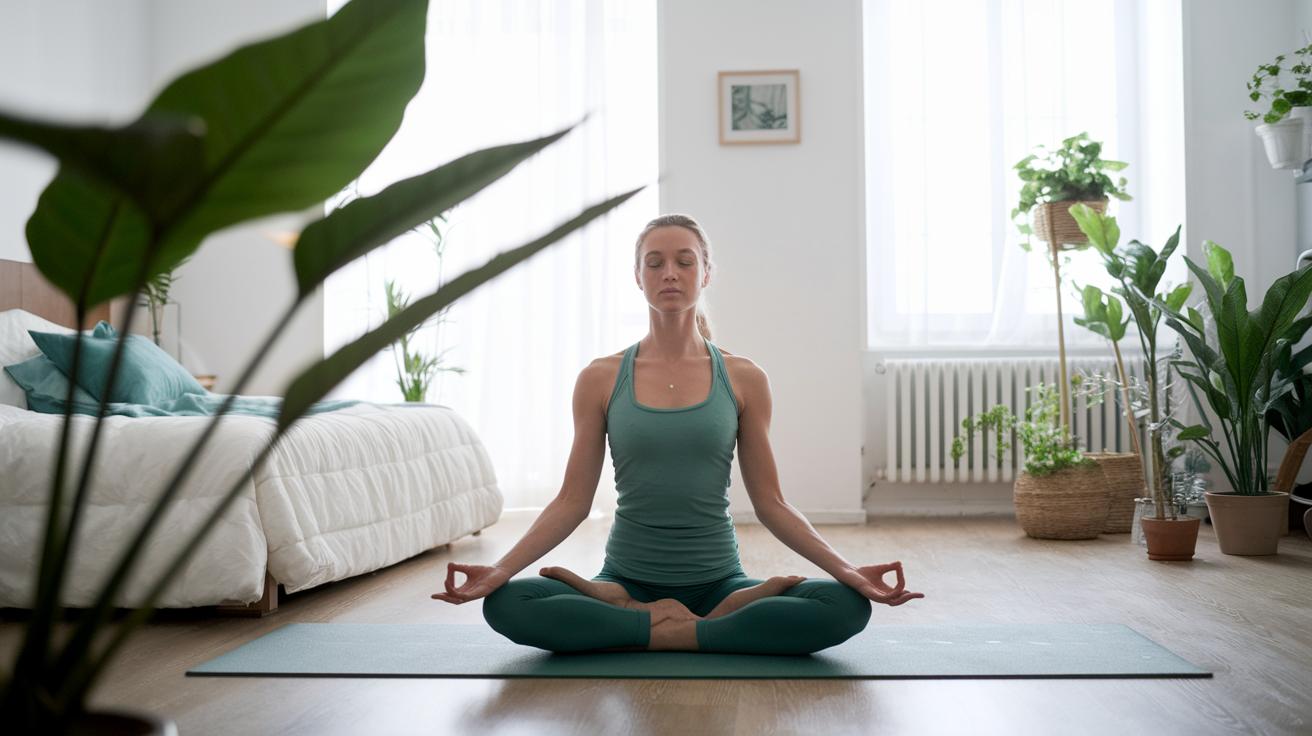
Mindful movement meditation sleep blends gentle stretches with calm breathing exercises to ease you into a deep, peaceful slumber. Picture a soft routine where clear, deliberate motions and soothing breaths work together to lower stress and quiet your mind. It’s like slowly unlocking a door to tranquility, each movement inviting in a wave of calm, similar to a relaxed tai chi sequence where every step takes you deeper into relaxation. For example, try starting with slow shoulder rolls while focusing on each breath to melt away the day's tension.
- Reduced stress and anxiety
- Enhanced relaxation and deep sleep
- Improved body awareness before sleep
- Gentle activation of the body for rest
- Overall mental quietude
This calming routine acts like a soft reset button for your day. Using simple, guided exercises such as light yoga stretches, controlled breathing, and moments of stillness, it prepares your mind and body for a night of restorative sleep. Imagine lying down, slowly raising your arms with a deep inhale, and then gently lowering them with a soft exhale. These mindful movements smoothly transition you from the hustle of daily life into a state where sleep feels natural and refreshing.
Step-by-Step Mindful Movement Meditation Sleep Routines for Nighttime Relaxation
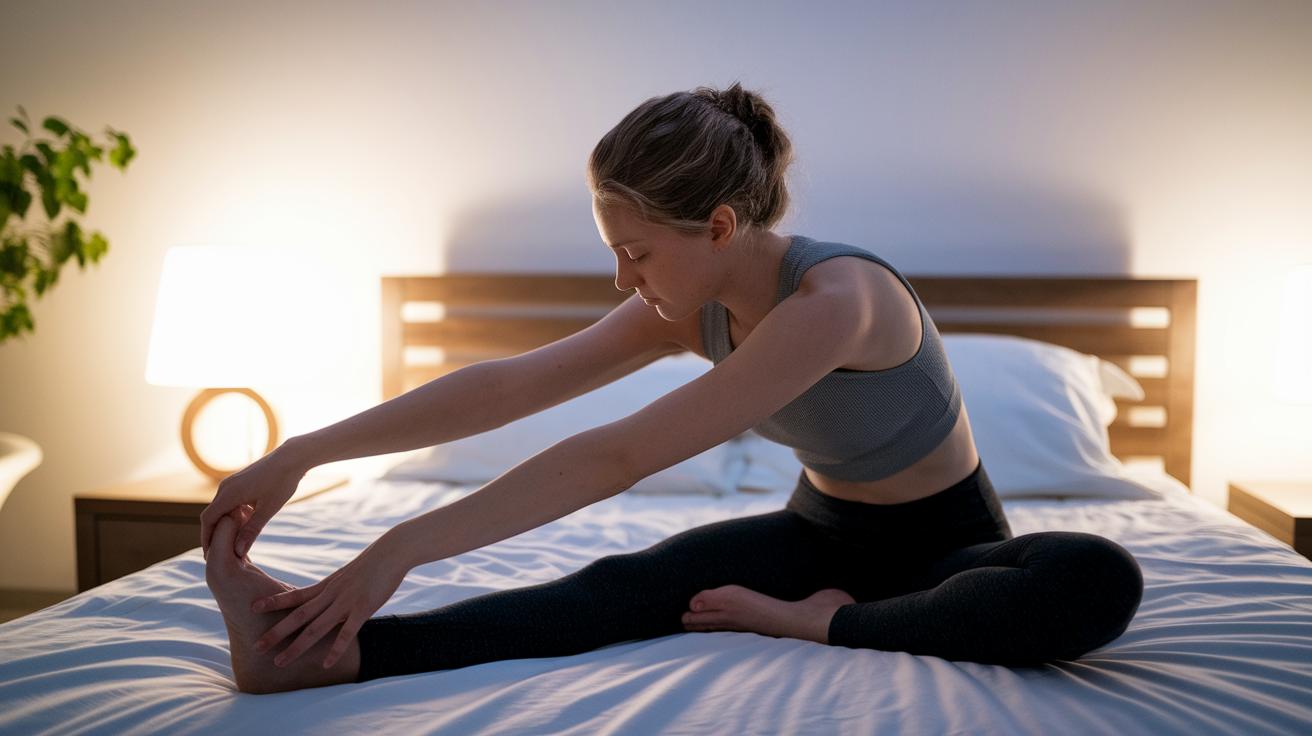
Start your evening by moving slowly and mindfully, guiding your body gently towards sleep. Think of it as a quiet chat with your muscles as you stretch, breathe deeply, and wake up each joint with careful motions. Try holding each stretch for about 5–10 seconds to really feel your muscles engage before you relax.
Breathe in deeply for 4 counts and let it out slowly over 6 counts. Do simple stretches, holding each one for 5–10 seconds to ease any tightness. Roll your shoulders gently three times, noticing the feel of release. Move each joint with smooth, controlled actions and take a little pause between each one. Match every movement with your breath using clear timing cues to boost your calm. Finally, sit quietly for 2 minutes, letting your thoughts fall into place.
Scientific Insights and Benefits of Mindful Movement Meditation Sleep
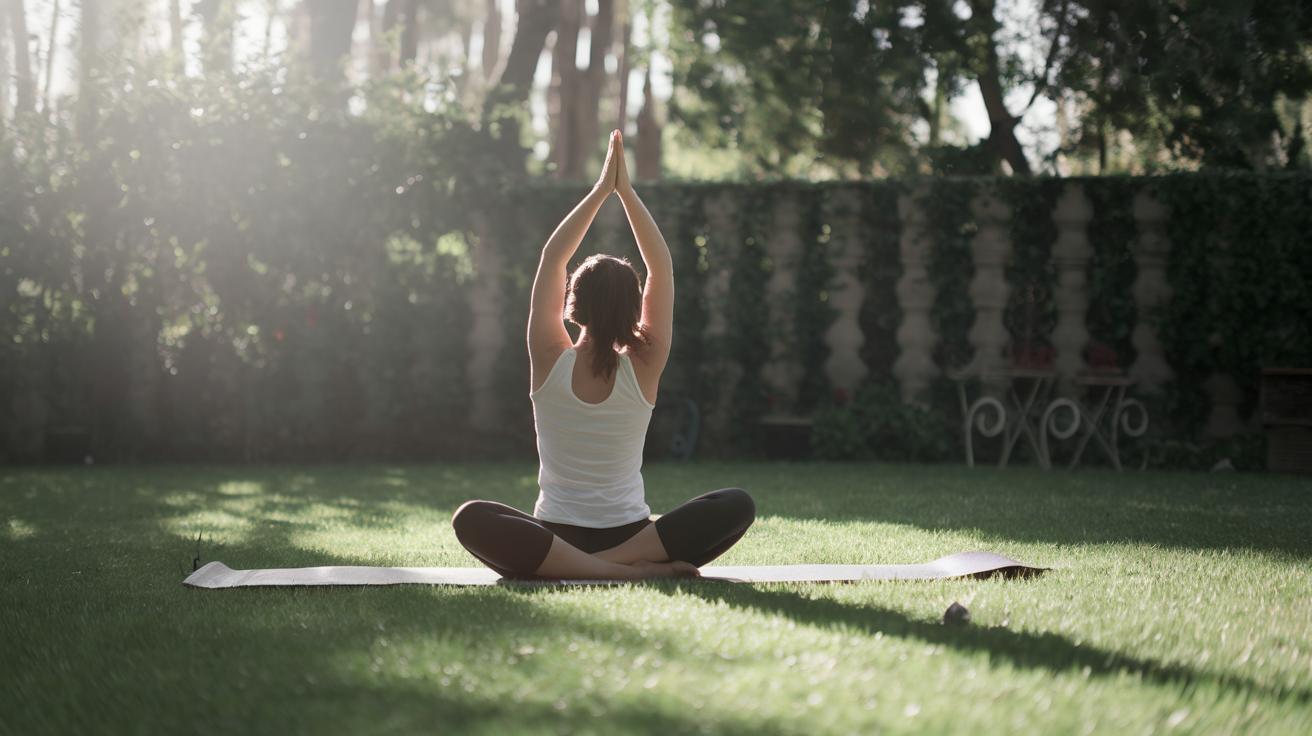
Recent research shows that taking slow, mindful stretches with deep, controlled breaths can lower stress hormones, set your body clock right, and pave the way for a really good night’s sleep. Experts have noticed clear benefits, like fewer cortisol spikes and an easier slide into sleep. Ever try focusing on your breath while stretching slowly? Picture a gentle stream calming down before it joins a quiet lake.
By weaving these simple movements into your routine, you can help your body and mind reset for a restful night. Below is a table that breaks down the key benefits with scientific backing:
| Benefit | Explanation |
|---|---|
| Reduced anxiety | Helps ease your nerves by lowering stress hormones |
| Increased relaxation | Relaxes muscles and calms the mind, preparing you for sleep |
| Improved sleep quality | Boosts deep sleep stages for a more refreshing rest |
| Enhanced overall well‐being | Balances both body and mind through gentle movement |
Guided Exercises and Techniques for Mindful Movement Meditation Sleep Improvement
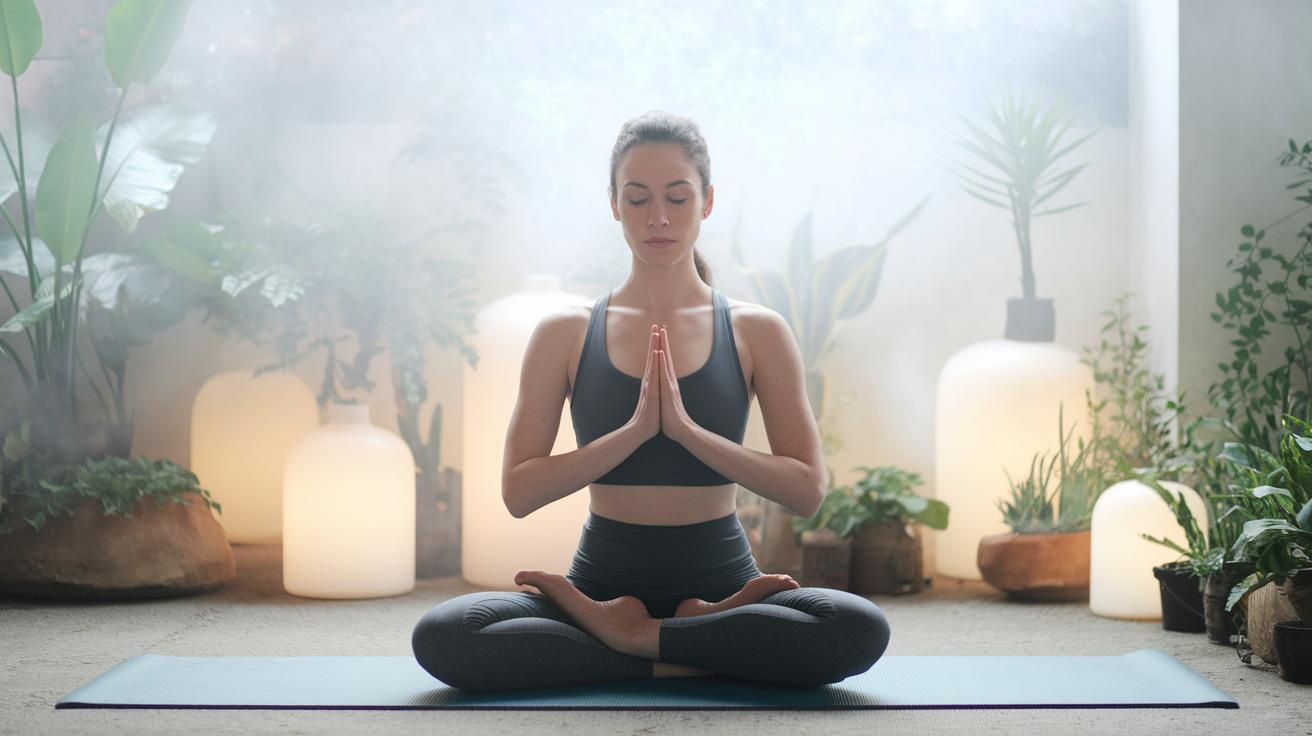
Advanced mindful tricks can completely change your nighttime routine. Start by really noticing your muscles and letting a gentle surge of energy wash away the day's stress. Try this: close your eyes and feel the soft, comforting warmth in your hands as you breathe slowly. It’s a small tweak, but it can help melt away any lingering tension.
Gentle Yoga Flow for Sleep
For a calm night's sleep, try a gentle yoga flow. Sit comfortably and take a deep, slow breath, picturing cool air filling your lungs like a smooth, refreshing wave. Did you know that even a tiny change in your posture can ease away tightness? This little adjustment leads you into a deeper, more relaxed state.
Tai Chi Movements for Nighttime Calm
Give tai chi a shot and add your own twist to the classic moves. Stand tall and slowly shift your weight, imagining energy flowing evenly with every step. Picture your arms moving in slow, graceful arcs that gently chip away at stress. This mindful movement creates a calm space inside you, setting the stage for a truly restful sleep.
mindful movement meditation sleep: Embrace Tranquility
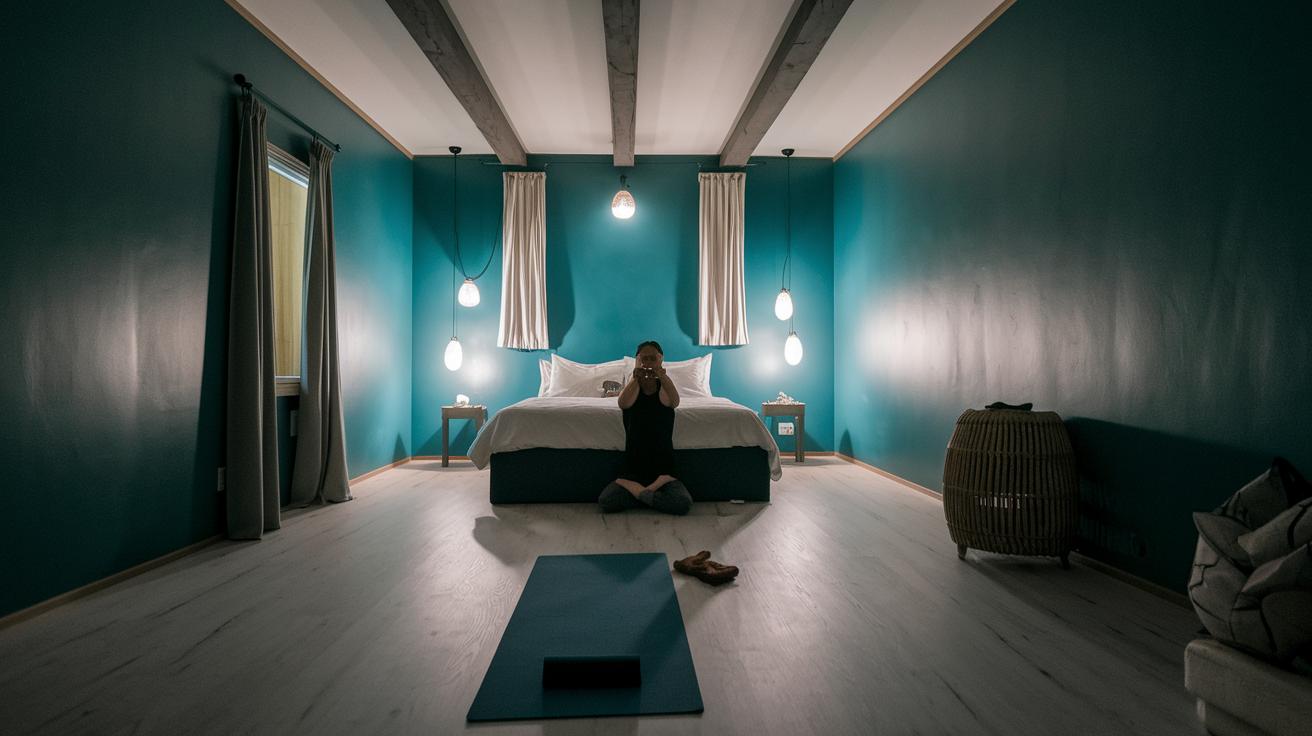
Make your room cozy for sleep. Dim the lights to a soft glow, add a gentle scent like lavender, and quiet the space around you. Imagine stepping into a room filled with warm amber light and a calming fragrance that guides your slow, deep breaths.
Set aside a specific time each night for this routine. Start with easy joint rotations and simple stretches that help relax your muscles. Sync every move with slow, measured breaths and feel how the soft light and aroma add a sense of calm.
Combine these soothing details with deliberate movements to help your body unwind. Stick to your routine, letting the sensory cues naturally lead you toward sleep. Picture beginning with a mindful stretch, absorbing the subtle light and scent, and creating that peaceful moment before you rest.
Final Words
In the action, this article walked us through practical techniques and real-world strategies to improve mindful movement meditation sleep. We explored simple routines, step-by-step exercises, and science-backed benefits to calm the body and mind. Each tip and routine offers a chance to boost productivity and reduce stress. By embracing these practices in your nighttime routine, you can create a restful space that feels familiar and refreshing. Enjoy turning these insights into a night of peaceful rest and a bright day ahead.
FAQ
Does mindfulness meditation improve sleep?
Mindfulness meditation improves sleep by reducing stress and calming the mind. This relaxed state helps the body transition smoothly into sleep, leading to more restful nights.
How much sleep is equal to 10 minutes of meditation?
A 10-minute session of meditation isn’t directly measured as sleep hours. Instead, it boosts the quality of your sleep by calming your mind and reducing stress before bedtime.
Is 20 minutes of meditation equal to 4 hours of sleep?
While 20 minutes of meditation can significantly relax your mind and body, it doesn’t replace the benefits of four hours of sleep but rather complements your overall rest.
What is mindful movement meditation?
Mindful movement meditation combines slow, deliberate body motions with focused breathing. This practice promotes a calm state that prepares the mind and body for a peaceful, restorative sleep.